Governments love the theater of supply manipulation. When crude prices surge and refinery margins squeeze household budgets, politicians reach for the only immediate lever available in the public relations manual: emergency stockpiles. The decision by major economies to release 100 million barrels of oil and diesel from strategic reserves into the market is designed to project control. It creates an optical illusion of abundance during a supply crunch.
Beneath the headlines and the temporary dips in futures contracts, the arithmetic of these releases reveals a starkly different reality. Global liquid fuel consumption hovers around one hundred million barrels per day. An emergency release spanning weeks or months amounts to roughly twenty-four hours of global consumption spread out over time. It is a drop in an ocean of structural deficit, designed to calm nervous traders rather than alter the fundamental supply and demand balance.
Energy markets are cynical mechanisms. They look past political window dressing within hours of an announcement. Understanding why these interventions consistently fail to provide long-term relief requires looking past the barrel counts and examining how modern petroleum logistics actually function.
The Mechanics of Strategic Reserves
Strategic petroleum reserves were never conceived as price controls. Following the shock of the 1973 Arab oil embargo, industrialized nations established these emergency caches to cushion catastrophic supply disruptions. The objective was national security. If a war, natural disaster, or geopolitical blockade abruptly severed maritime shipping lanes or shut down major production fields, state-owned reserves would keep emergency services, agriculture, and military logistics running until normal trade routes recovered.
Using these reserves to manage market prices transforms a national security insurance policy into a political stabilization tool.
When barrels from government vaults hit the market, they do not flow directly into the tanks of everyday drivers. They are auctioned off to refiners, trading houses, and major integrated oil companies through competitive bidding processes. These institutions operate on tight commercial margins. If refining capacity is constrained—a frequent bottleneck during energy crises—extra crude sitting at port does not automatically translate into cheaper gasoline at the pump.
Refineries have finite throughput limits. Pumping more heavy or sour crude into a system optimized for light sweet crude creates operational friction rather than immediate relief. The bottleneck is rarely just the absence of crude in the ground; it is often the capacity to transform that crude into usable middle distillates and gasoline.
The Mirage of Diesel Shortages
While headline attention invariably focuses on crude oil, the quiet crisis in modern energy markets centers on refined products, specifically diesel. Diesel is the invisible circulatory fluid of the global economy. Container ships, long-haul freight trucks, agricultural combines, and industrial generators run on middle distillates.
When diesel inventories tighten, the inflationary pressure cascades through every tier of consumer goods. Food costs rise because tractors and delivery fleets burn expensive fuel. Manufacturing costs climb because factories rely on diesel-powered supply chains.
Releasing crude oil does nothing to immediately solve a diesel deficit if global refining capacity is maxed out. Crude must undergo fractional distillation and hydrotreating to become diesel. If refining margins are artificially squeezed or if facilities undergo unexpected maintenance, adding raw crude to the market is like throwing flour at a baker who has broken ovens. The raw material is present, but the transformation engine is stalled.
Governments frequently underestimate this refining constraint. By bundling diesel into emergency release announcements, authorities attempt to signal comprehensive intervention. Yet, the quality and type of diesel released, alongside logistical hurdles in regional distribution terminals, often mean the product fails to reach the specific geographic pockets experiencing the most severe shortages.
Structural Deficits Versus Political Timelines
The fundamental mismatch in energy intervention is time.
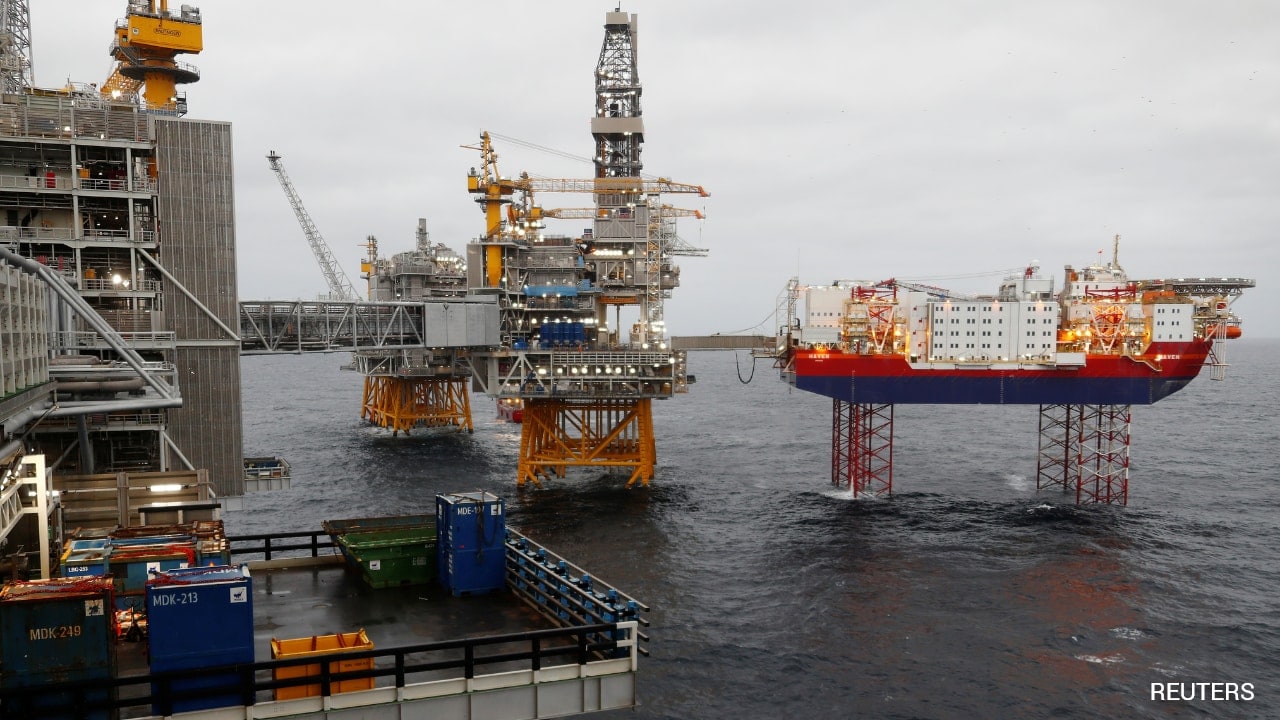
Elected officials operate on political cycles measured in quarters and election dates. Capital expenditure in the energy sector operates on multi-year, often multi-decade cycles. A deep-water production platform or a complex refinery upgrade requires billions in capital and seven to ten years of regulatory clearance and engineering execution.
When demand outpaces supply due to underinvestment in upstream extraction, no amount of short-term reserve drawdown corrects the underlying imbalance. Once the 100 million barrels are exhausted and returned to market equilibrium, the underlying structural deficit remains entirely unaddressed. In fact, drawing down government reserves without concurrent increases in private exploration or efficiency gains leaves nations more vulnerable to future shocks. The insurance policy has been partially cashed out, leaving the vault leaner for the next actual emergency.
Traders price this reality into forward curves. The initial announcement of a coordinated release triggers algorithmic sell-offs and temporary price moderation. Within weeks, as physical buyers realize the actual volume relative to daily consumption is negligible, prices frequently rebound to levels higher than before the intervention. The market recognizes the temporary nature of the supply injection and prices in the impending void left when the government taps run dry.
The Real Cost of Manipulation
Intervening in commodity markets with symbolic volumes carries hidden costs. Price signals are the primary mechanism through which free markets allocate capital and encourage conservation. When governments artificially depress prices through reserve releases, they mute the exact signals required to curb excess demand and stimulate alternative investments.
High prices encourage consumers to conserve energy, prompt industries to optimize efficiency, and signal explorers to deploy capital toward new production fields. Artificially lowering prices, even temporarily, dampens these necessary behavioral and structural adjustments. It prolongs the period of vulnerability by masking the true scarcity of the resource.
Furthermore, depleting strategic reserves shifts risk from the present to the future. If a genuine geopolitical chokepoint closes or a major production region suffers catastrophic physical damage tomorrow, the cushion available to governments will be significantly diminished.
The reliance on headline-driven reserve releases substitutes public relations for structural reform. As long as policy responses remain tethered to election cycles rather than long-term energy planning, periodic price spikes and subsequent emergency band-aids will remain the default rhythm of the global economy. The barrels will flow, the headlines will fade, and the fundamental math of supply and demand will reassert itself with unyielding precision.