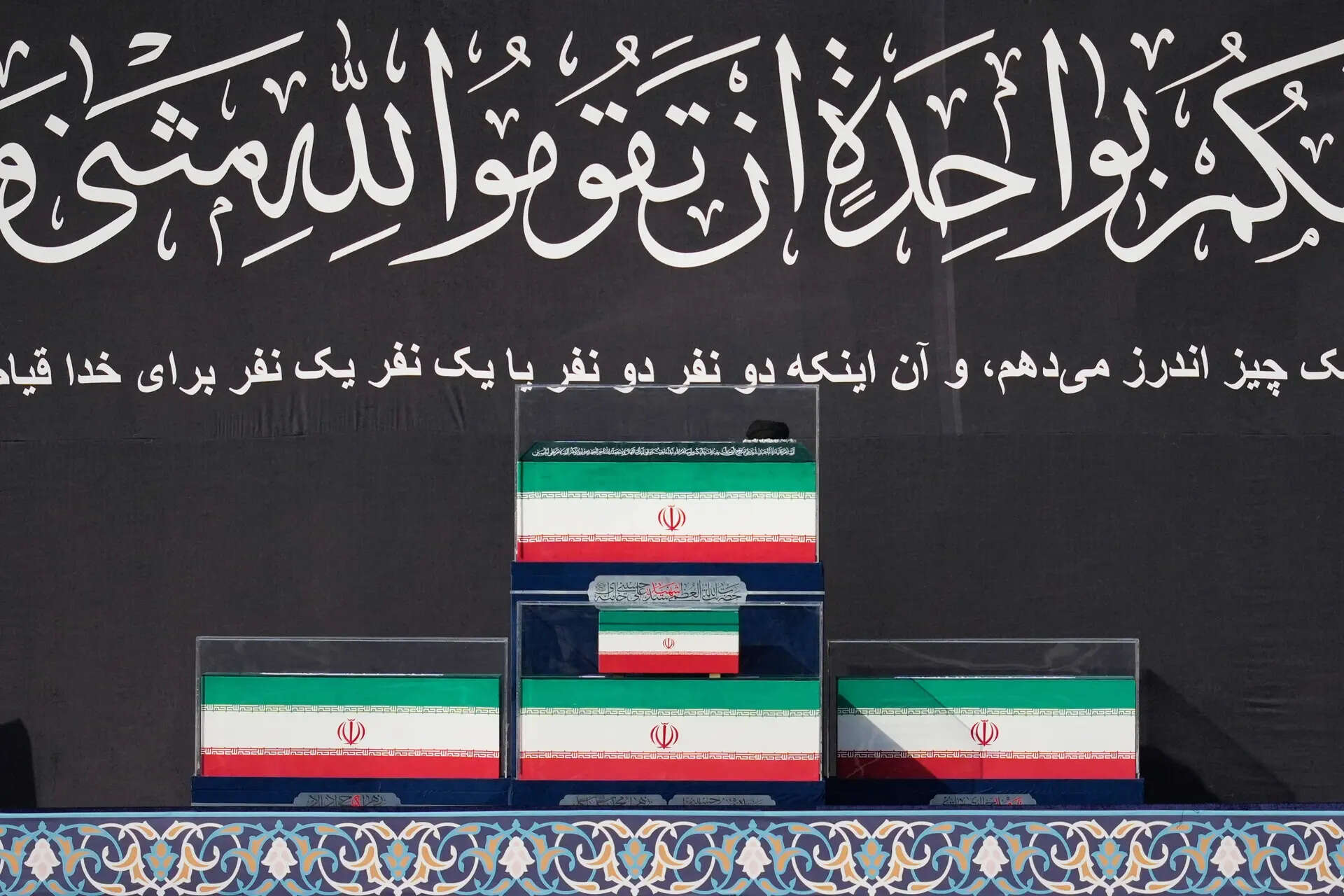
Funerals for heads of state are rarely just about mourning. They are high-stakes arenas for geopolitical theater, where a country’s presence—or lack thereof—signals real-time alliances. But when millions lined the streets of Tehran to bury Iran’s former Supreme Leader Ayatollah Ali Khamenei, the guest list became a battleground of its own.
Reports from inside Iran reveal that a fierce, behind-the-scenes diplomatic blitz by the United States successfully forced at least 13 nations to pull the plug on their attendance or drastically scale down their delegations.
The pressure wasn't subtle. According to reports leaking from Tehran’s Tasnim news agency, US Secretary of State Marco Rubio sent a confidential directive to American embassies worldwide, ordering diplomats to make one thing clear: attending the multi-day funeral ceremony for Khamenei would be treated by Washington as a flat-out "unfriendly act."
The High Cost of Tehran Guest Lists
For many developing nations, showing up to pay respects to the deceased Iranian leader meant risking critical financial and diplomatic lifelines. US ambassadors in Africa reportedly made direct threats to host governments, warning that sending a delegation to Tehran could lead to immediate cuts in American development aid.
The squeeze worked. The breakdown of the 13 nations that retreated under Washington's pressure shows just how wide the diplomatic net was cast:
- Five African nations
- Three Eastern European countries
- Two Persian Gulf Arab states
- Two major East Asian nations
- One North African country that aggressively downgraded its delegation size to dodge the fallout
Rubio didn't just rely on cable memos. He reportedly got on the phone himself, personally leaning on foreign ministers in at least five Arab states to keep them away from the Imam Khomeini Grand Musalla.
A Broken Truce and Hidden Security Fears
The timing of this diplomatic arm-twisting makes the situation even more volatile. Khamenei’s death followed US-Israeli military strikes, which sent shockwaves through the region. Just weeks prior, Washington and Tehran had actually penned a delicate 14-point memorandum of understanding. That deal opened a brief 60-day window for technical talks regarding the Strait of Hormuz and Iran's nuclear development.
The aggressive boycott campaign proves that while technical talks may happen behind closed doors, Washington has no intention of letting Iran control the international narrative.
The paranoia in the air isn't just felt by the foreign diplomats who stayed home. Even the new regime in Tehran is visibly shaken. Mojtaba Khamenei, the newly appointed Supreme Leader who succeeded his father, made the stunning choice to skip the six days of funeral ceremonies entirely. Despite the state broadcasting images of massive mourning crowds to project strength and institutional continuity, the new leader stayed in hiding due to persistent security concerns and fears of active assassination plots.
How Backchannel Diplomacy Saved Face
The countries caught in the crossfire had to scramble to manage the fallout. You can’t just ghost a major regional power like Iran without some awkward explanations.
Some of the withdrawing nations tried to split the difference. They offered to send lower-level diplomats who were already stationed at their embassies in Tehran. Iran’s foreign ministry saw right through the snub and refused to accept the downgraded representations, essentially telling them to not bother coming at all.
Other governments took to backchannels to preserve their ties with Tehran. Diplomats used quiet intermediaries and official missions in Geneva and New York to send private apologies, blaming technicalities and diplomatic scheduling conflicts for their sudden absence.
Ultimately, nearly 100 nations defied Washington’s pressure campaign and sent delegations anyway, turning the funeral into a messy, public ledger of who answers to US financial pressure and who is willing to gamble their relationship with Washington.
If you are tracking international trade, shipping corridors like the Strait of Hormuz, or regional security developments, look closely at the countries that pulled out of Tehran at the last second. Those choices show exactly where the leverage lies, and they give us a clear map of who will bend when Washington decides to tighten the screws next.