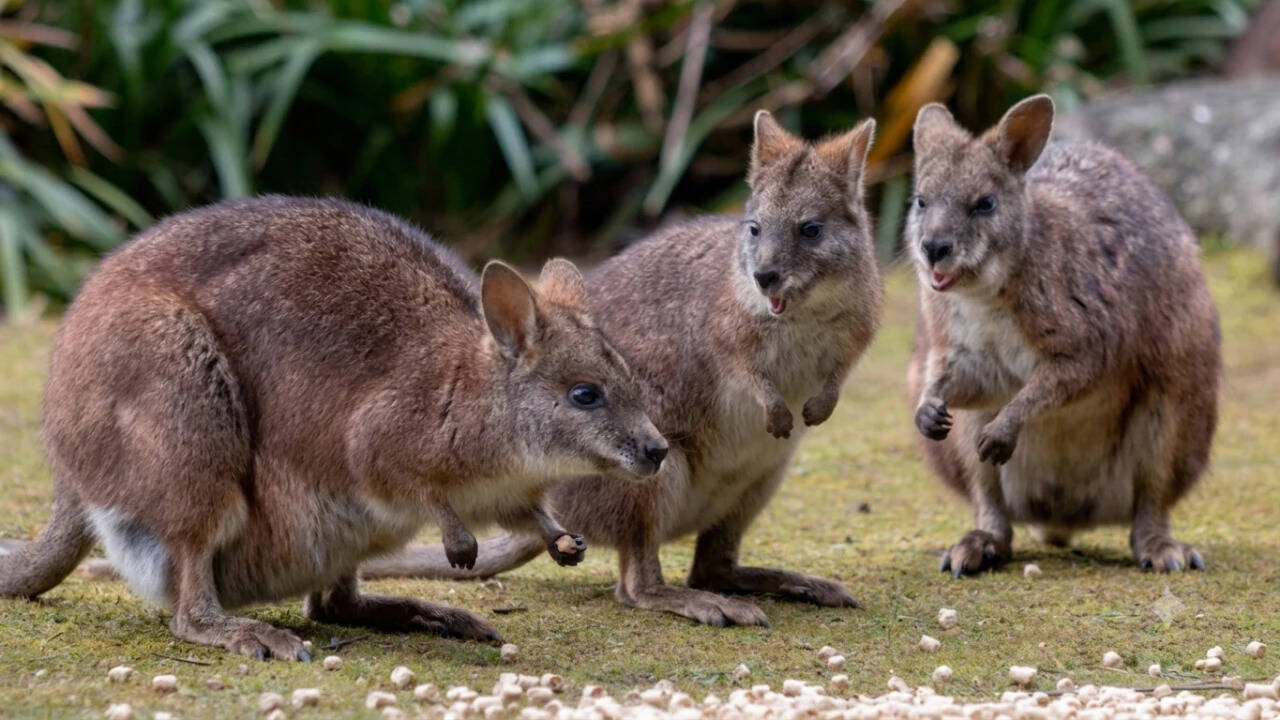
A century ago, nobody worried about a few small marsupials hopping around the Bay of Plenty. They looked harmless enough. But today, those introduced animals represent one of the quietest and most destructive ecological crises unfolding across New Zealand.
If you think possums or rabbits are bad, you haven't looked closely at the numbers piling up behind the scenes. Without aggressive intervention, these populations threaten to swallow a massive chunk of the country.
The Root of the Problem
Back in 1912, dama wallabies originating from Kawau Island were released near Lake Okareka close to Rotorua. At the time, acclimatization societies thought they were enriching local fauna. They didn't picture the long-term nightmare.
Those few animals found a landscape devoid of natural predators. They found plenty of food and ideal terrain. Now, they occupy well over 200,000 hectares across the North Island.
Numbers don't lie. Current estimates point to over one million pest wallabies running wild across the country. That equals roughly one wallaby for every five people.
Why Ecological Damage Keeps Mounting
Wallabies don't just hang out in the brush. They systematically dismantle ecosystems from the ground up.
Their diet consists heavily of native tree seedlings, delicate ferns, and native grasses. When thousands of them graze an area day after day, regeneration stops completely. Old trees die off, and nothing replaces them. Native birds lose their food sources and shelter. Forest floors turn into barren dirt tracks.
It goes beyond native bush. Commercial forestry takes a major hit when wallabies strip the bark and devour young pine and eucalyptus seedlings. Meanwhile, farmers watch these marsupials muscle in on pastures, directly competing with livestock for grass.
Government economists project that if left completely unchecked, the total economic and environmental damage could skyrocket to $84 million every single year. Projections indicate they could occupy up to a third of the country by 2065 if containment fails.
The Battle for Containment
Controlling these creatures is an uphill climb. Wallabies are notoriously cautious. They hide out in dense scrub during daylight hours and move strictly under cover of darkness. Detecting them early requires thermal cameras, trail monitors, and specialized detector dogs.
Regional councils operate under strict eradication and progressive containment frameworks. Teams deploy targeted night shooting and carefully managed toxins. Yet, progress remains slow. Populations expand outward by up to two kilometers a year on average. Human interference doesn't help either, as rogue individuals occasionally transport the animals past natural geographical barriers like rivers and lakes.
Under New Zealand's Biosecurity Act 1993, wallabies are classified as unwanted organisms. Moving or keeping them as pets is strictly illegal. Penalties for offenders can scale up to $100,000 in fines or five years behind bars.
Stop treating this like a minor rural quirk. If you spot a wallaby outside established zones, report it immediately through platforms like reportwallabies.nz to give eradication teams a fighting chance.