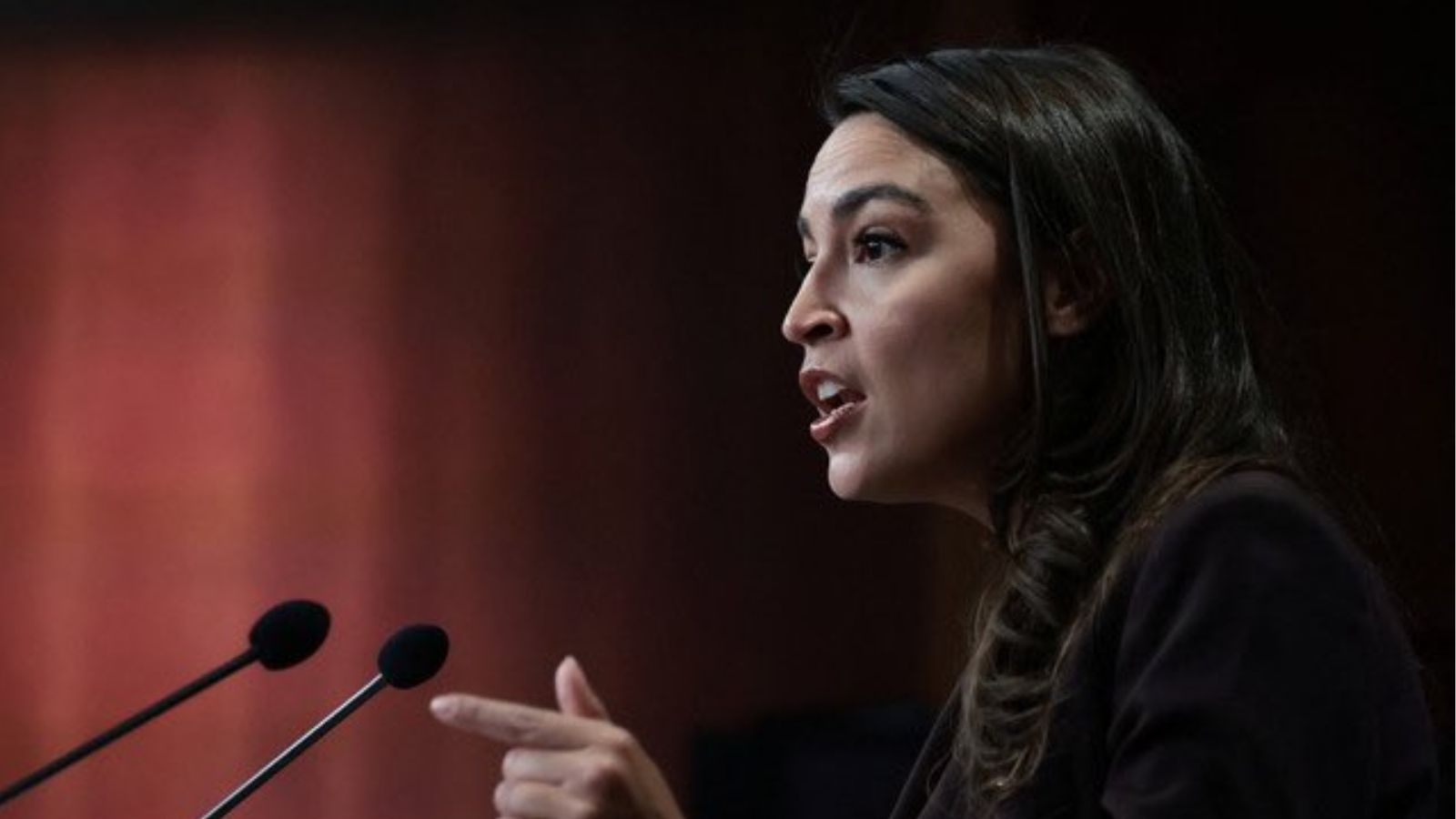
Representative Alexandria Ocasio-Cortez is climbing prediction markets and early primary polls for the 2028 presidential race, transforming from a factional lightning rod into a formidable national contender. Yet, treating her surging numbers as an inevitable coronation misreads the structural barriers of a national primary and the deep fractures within the American electorate.
The Arithmetic of Insurgency
Prediction markets like Kalshi and Polymarket place Ocasio-Cortez near the top of the prospective 2028 Democratic field, running neck-and-neck with figures like Gavin Newsom and Jon Ossoff. This momentum stems from a calculated pivot away from insular academic discourse toward bread-and-butter economic populism. Her joint appearances on the road, coupled with targeted outreach to working-class voters who previously split their tickets, demonstrate an ability to draw massive crowds far outside safe coastal enclaves.
However, primary polling at this stage serves primarily as a measure of name recognition and baseline enthusiasm rather than general election viability. The Democratic primary electorate remains deeply divided along generational and ideological lines. While younger voters consistently rank Ocasio-Cortez at the top of their preference lists, older, more moderate blocks who dominate turnout in crucial early states view executive experience and institutional safety as non-negotiable prerequisites.
Surviving the General Election Crucible
The core vulnerability for any progressive standard-bearer is not winning the nomination; it is surviving the subsequent national referendum. Mainstream party strategists continuously warn that general election battlegrounds require broad appeal among suburban moderates and independent voters who remain deeply skeptical of expansive state-led economic interventions.
Consider the hypothetical scenario of a national debate stage where opponents weaponize historical policy platforms like the Green New Deal or Medicare for All against a nominee from the party’s left wing. Past election cycles prove that conservative super PACs can effectively define a progressive candidate before they can frame their own narrative. To neutralize this threat, Ocasio-Cortez must do more than excite movement veterans. She must convince risk-averse median voters that her economic agenda directly benefits their pocketbooks without triggering systemic fiscal instability.
Her recent attempts to engage non-college-educated workers and trade unionists signal an awareness of this challenge. By focusing heavily on corporate monopolies, housing affordability, and wage stagnation, she speaks directly to the material anxiety driving modern political realignment.
Yet, translating local populist appeal into a nationwide coalition requires an institutional apparatus that the institutional left has spent decades neglecting. Building county-level organizations in rural and exurban counties cannot be accomplished overnight through social media amplification alone. It demands grinding, unglamorous precinct work that bypasses traditional party gatekeepers while maintaining an uneasy truce with the institutional establishment she spent her career challenging. The road to 2028 will test whether an insurgent icon can transform into an institutional commander-in-chief without losing the very base that propelled her into the national spotlight.
AOC Takes Lead In New Democratic Presidential Nominee Poll
This video segment discusses the shifting polling dynamics and the growing viability of Alexandria Ocasio-Cortez as a leading contender in the early 2028 Democratic primary landscape.
http://googleusercontent.com/youtube_content/1