A crumbling relic of Cleveland's industrial past recently dodged the demolition crew for the paltry sum of $300,000, exposing the harsh realities of post-industrial real estate. This transaction is not merely a nostalgic win for preservationists; it is a stark indicator of how Rust Belt municipalities value their architectural heritage when the heavy manufacturing that built them has long since vanished.
For decades, the
How a 300000 Dollar Sale Saved a Monument of American Industry from the Bulldozer
business, news
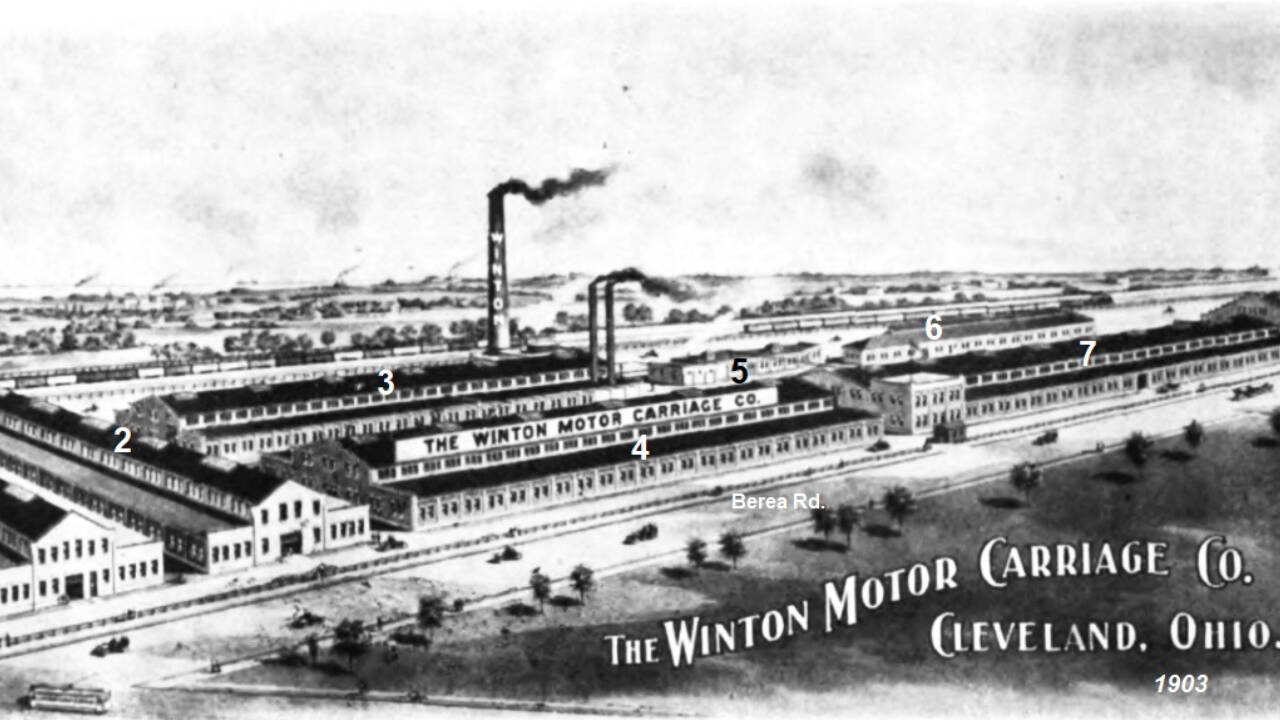
onomics and urban real estate, a building's price tag often bears little relation to its actual weight in history. When a historic Cleveland factory—once deeply tied to the rise of American manufacturing and automotive ambition—sold for a mere $300,000, the transaction looked less like a standard commercial deal and more like a rescue operation.
For decades, industrial corridors across the Midwest have served as open-air museums of neglect. Rusting steel frames, shattered windows, and crumbling masonry tell a story of abandonment that policymakers have struggled to reverse. Yet, this specific parcel dodged the fate that befell countless neighboring structures: the wrecking ball. Instead of being reduced to a pile of rubble and hauled away to a landfill, the property changed hands with a fighting chance at reinvention.
The buyer's identity matters less than the mechanics of the rescue. In Rust Belt redevelopment, saving a structure of this scale requires navigating a maze of environmental remediation liabilities, municipal tax liens, and skyrocketing material costs. A $300,000 price point for a massive industrial footprint does not represent a bargain. It represents a massive financial liability that someone was brave or reckless enough to assume.
The Anatomy of Industrial Abandonment
Manufacturing titans built Cleveland to last forever. They poured thick concrete floors, erected heavy-gauge steel skeletons, and utilized brickwork that defied weather and time. When those companies packed up and moved south or overseas, they left behind urban behemoths designed for heavy production, not modern office parks or boutique lofts.
Adaptive reuse of these spaces demands specialized capital. Environmental cleanups alone can drain millions of dollars before a single contractor swings a hammer to build something new. Soil contamination, lead paint, and asbestos lurk behind every historic pillar.
When a property trades for a nominal sum like $300,000, developers understand the hidden ledger. The purchase price is pocket change compared to the stabilization budget. Fixing a compromised roof on a hundred-thousand-square-foot facility can easily eclipse the value of the entire city block.
Municipalities often find themselves trapped in a policy paradox. Demolition clears the slate, but it erases architectural identity and removes potential tax revenue for generations. Preservation costs money that local governments rarely have in surplus budgets. When a private buyer steps in to catch a falling knife of a building, city halls breathe a collective sigh of relief, even if the redevelopment timeline spans a decade.
The Auto Connection That Almost Vanished
Automotive history in the American heartland is written in grease, soot, and union contracts. Long before assembly lines standardized vehicle production across national borders, regional machine shops and Tier-1 suppliers fueled the sector's explosive growth.
This particular Cleveland factory floor once hummed with the production of vital mechanical components that kept the nation moving. Workers stood over lathes and presses, turning out the gears and castings that went into early passenger cars and trucks. Their labor helped build the middle class in neighborhoods surrounding the plant.
When production ceased, the building lost its economic pulse. Memories faded as former employees aged out or moved away. The physical structure stood as a silent witness to a golden era of American manufacturing prowess.
Cities lose their anchor points when these structures disappear. A parking lot or a vacant weed-choked lot replaces a monument to human ingenuity. By securing the property for $300,000, the new stakeholders preserved the physical shell where generations of working-class families earned their livelihoods.
Financing the Impossible
Where does the money come from to save a doomed factory? Traditional commercial lenders usually run away from historical industrial properties. Risk models dictate that old manufacturing sites are money pits with unpredictable returns.
Instead, projects of this magnitude rely on a complex patchwork of financial engineering. Historic tax credits play a central role. Federal and state preservation programs offer incentives that offset a percentage of rehabilitation expenses, provided the work adheres to strict historical guidelines.
Brownfield grants also enter the equation. Environmental agencies provide funding to assess and clean up contaminated properties, recognizing that returning blighted land to productive use benefits the entire regional economy. Private equity, philanthropic capital, and community development block grants round out the capital stack.
Putting together this financial puzzle requires patience and specialized legal expertise. One missed filing deadline can collapse the tax credit structure. One unexpected environmental survey result can blow a hole in the construction budget.
What Comes After the Sale
Buying a historic factory for $300,000 is the easy part. The real work begins on day two.
Engineering assessments must determine whether the structural integrity survived decades of water leaks and freeze-thaw cycles. Masons repoint brick facades by hand, matching mortar colors and composition to historic specifications. Roofers install modern waterproofing membranes beneath historic profiles to keep the weather out without altering the exterior aesthetic.
Vision drives the ultimate outcome. Some industrial conversions transform into maker spaces, housing modern artisans, craft breweries, and tech startups. Others pivot toward mixed-use residential complexes, injecting density and foot traffic into historic neighborhoods.
The success of the Cleveland factory will not be measured by the initial purchase price. It will be judged by whether the lights stay on five years from now, whether new jobs take root on the old assembly floor, and whether the surrounding streets feel the economic ripple effect of a building brought back from the dead.
Demolition is permanent. Once a historic factory falls, the craftsmanship, the embodied energy, and the connection to the past vanish into dust. Saving this Cleveland landmark for the cost of a modest suburban home proves that our industrial heritage still holds value, provided someone is willing to look past the rust and take a calculated risk on the future.