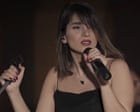
Seventy-four lashes. Let that number sink in. That is the physical price handed down to an Iranian singer simply for performing her art without a mandatory head covering. Human rights organizations aren't mincing words here, and neither should we. They're calling it what it is: state-sanctioned torture.
When an artistic performance becomes a punishable offense under the guise of public morality, the state isn't protecting its citizens. It's terrorizing them. The crackdown on women's bodily autonomy in Iran has crossed from systemic oppression into outright cruelty, targeting anyone who dares use their voice or their likeness to defy archaic dress codes.
The Reality of Judicial Torture in Iran
The Iranian judicial system relies heavily on corporal punishment to silence dissent. Flogging isn't an accidental relic of the past. It's a deliberate policy tool. When authorities sentence a woman to 74 lashes for appearing in public without a hijab, they send a chilling message to every other artist, journalist, and citizen. Comply or bleed.
International bodies like Amnesty International and the Center for Human Rights in Iran have repeatedly documented these abuses. They point out that these sentences violate international treaties prohibiting torture and cruel treatment. Yet, the judiciary doubles down. They hide behind domestic laws that criminalize basic personal freedoms, turning ordinary choices into capital offenses.
You might wonder why singing without a fabric scrap on your head draws such a brutal reaction. It's because artistic expression terrifies authoritarian regimes. Music carries emotion. It builds solidarity. It travels across borders faster than official propaganda. When a woman sings unveiled, she shatters the illusion of absolute control that the regime tries desperately to maintain.
Why This Case Matters Beyond Borders
We can't dismiss this as a distant local issue. What happens in Tehran ripples across global conversations about human rights and artistic freedom. Artists everywhere rely on a shared understanding that creating work shouldn't cost you your skin.
Governments and cultural institutions outside of Iran face a clear test here. Silence equals complicity. When international music festivals, human rights councils, and global leaders look away from state-sponsored flogging, they signal that creative freedom has a geographic boundary. It doesn't.
Look at the broader context. Since the "Woman, Life, Freedom" movement erupted across Iran following the death of Mahsa Amini, the regime has intensified its campaign against women who refuse to fall in line. Digital surveillance, facial recognition on public transit, and heavy fines target daily life. Physical violence remains the ultimate enforcement mechanism for those who refuse to break.
Defending Artistic Freedom
Standing up against these practices requires more than passing social media outrage. It takes sustained political pressure, public advocacy, and direct support for underground artists inside Iran who risk everything every time they step up to a microphone.
Artists aren't political actors by default, but authoritarian regimes force them into that role. When simply existing in public view becomes an act of rebellion, every note sung is a challenge to tyranny.
Support independent human rights groups tracking these cases. Amplify the names of jailed or punished artists. Refuse to let state censors quietly sweep these violent sentences under the rug.