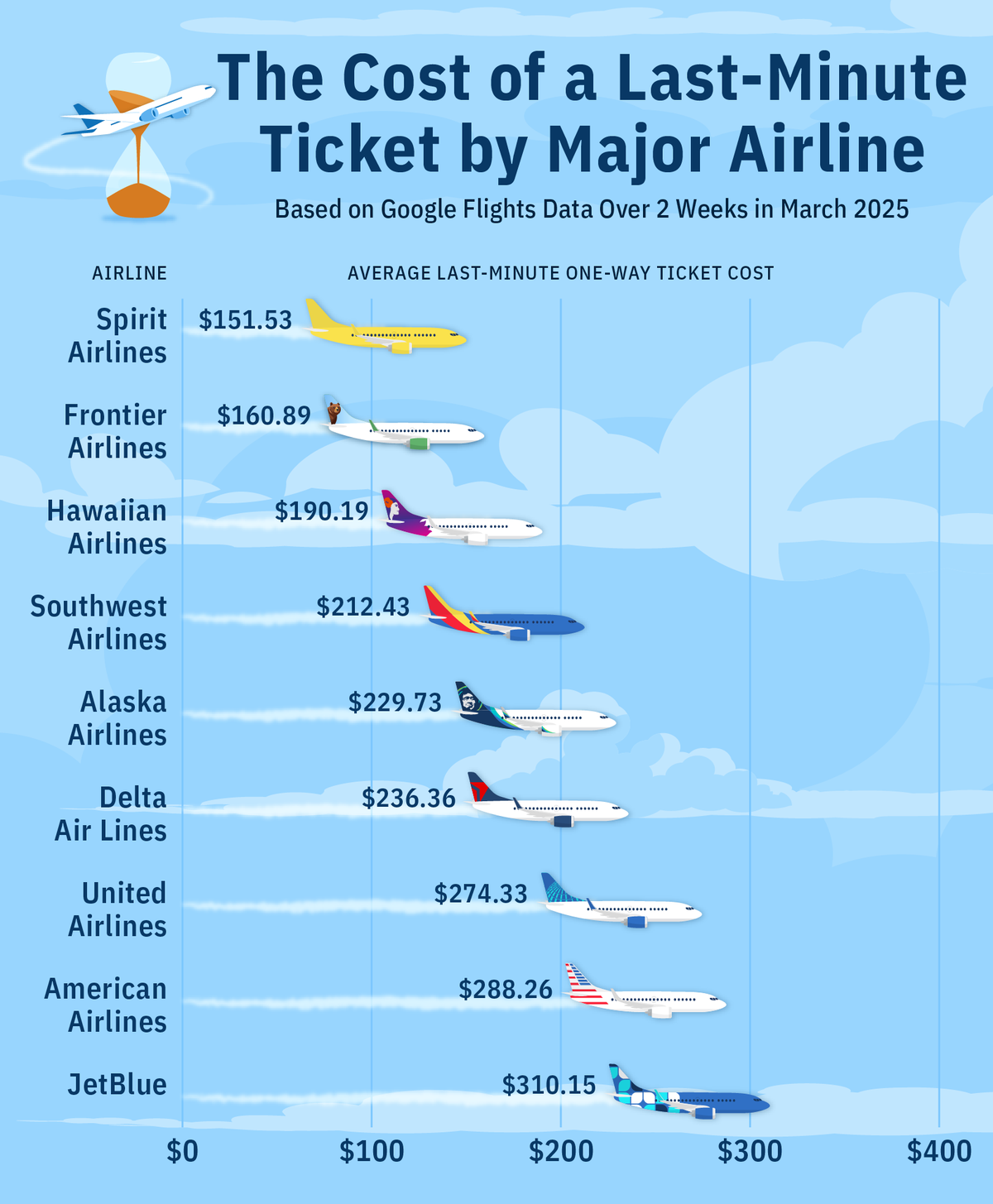
You check flight prices for your next trip and wince. Oil markets cool down, fuel costs ease from their recent spikes, yet your boarding pass costs just as much as it did months ago. What gives?
Airlines are locked in a quiet high-stakes standoff. While jet fuel prices retreat from peaks driven by recent Middle East conflicts, carriers refuse to blink first on ticket price cuts. Nobody wants to trigger a destructive race to the bottom.
Understanding why your flights remain stubbornly expensive requires looking past simple headlines about crude oil. The economics of modern aviation operate on a much slower, more guarded timeline.
The Sticky Economics of Air Travel
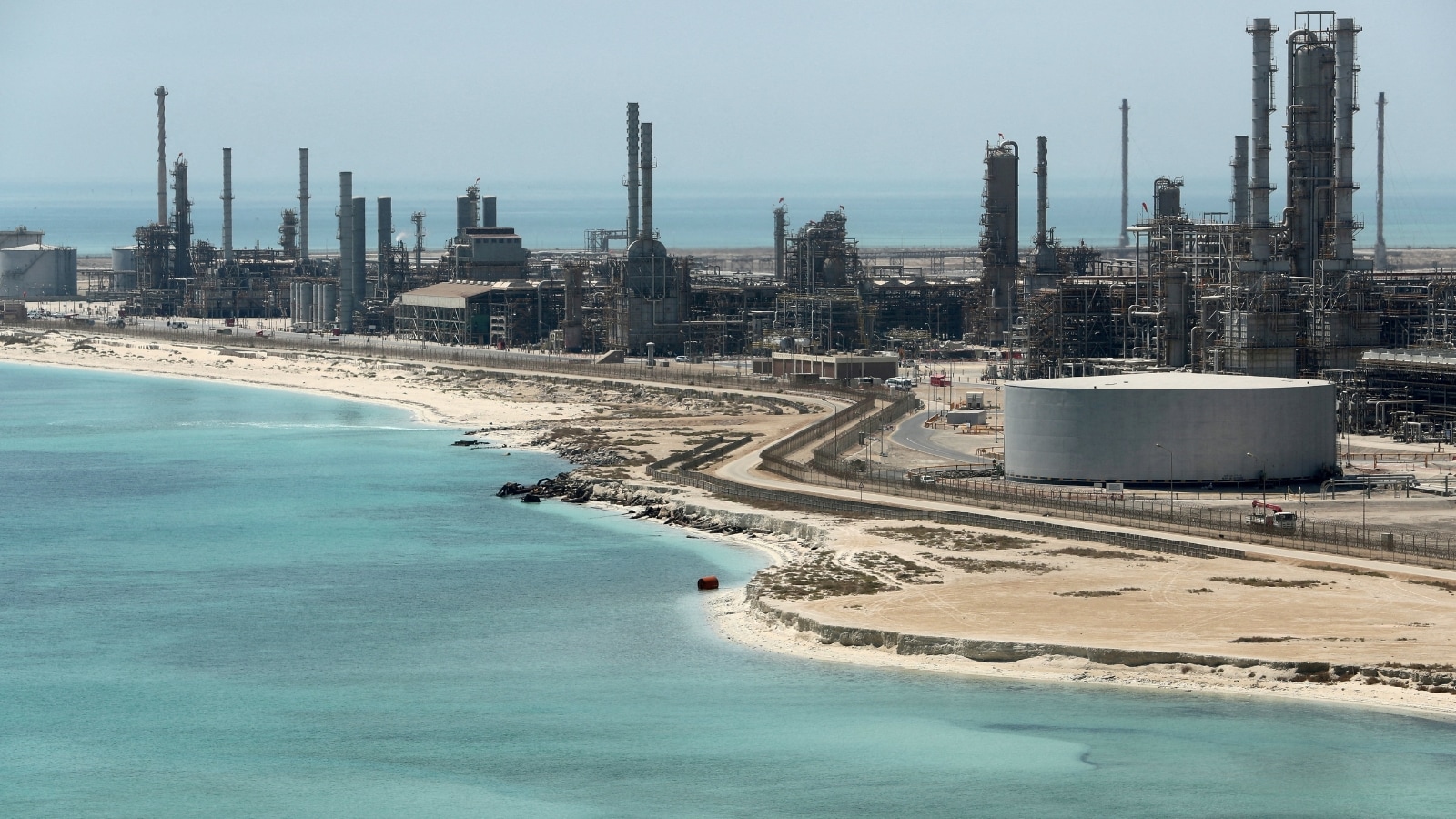
Jet fuel typically accounts for nearly a third of an airline's operating expenses. When energy markets spiked earlier this year following disruptions around the Strait of Hormuz, carriers rushed to tack surcharges onto bookings.
Input costs follow a predictable pattern. They shoot up like rockets when trouble hits, but drift down like feathers when markets normalize.
Airlines operate on razor-thin net margins—historically hovering around 2 to 4 percent globally. After taking a beating from volatile energy markets and recovering from capacity crunches like the recent shutdown of Spirit Airlines, financial recovery takes precedence over consumer relief. If input costs drop, executives view that margin expansion not as a discount pass for passengers, but as long-awaited healing for corporate balance sheets.
The Fear of the First Mover
Commercial aviation thrives on capacity discipline. Major carriers watch each other's route maps, seat counts, and pricing structures with hawk-like precision.
If one major network carrier slashes fares to grab market share, competitors must respond to avoid empty seats. That initial discount cascades into an industry-wide discounting war.
Carriers remember past margin bloodbaths. Nobody wants to be the executive who surrenders hard-won pricing power just as demand enters a seasonal shoulder period. As long as planes remain reasonably full, legacy and low-cost carriers alike have zero incentive to voluntarily lower baseline fares.
Hedging Distorts the Timeline
Not all airlines buy fuel the same way. This creates a massive disconnect between spot market prices and the actual bills paid by corporate treasury departments.
Some carriers hedge their fuel exposure months in advance to lock in predictable expenses.
- Airlines heavily hedged at higher rates see no immediate benefit when spot prices dip. Their fuel expenses remain locked at elevated legacy contracts.
- Unhedged peers buying directly on volatile spot markets feel the relief sooner, but prefer pocketing the windfall to offset lingering debt from previous quarters.
This operational patchwork means a single headline about dropping oil benchmarks does not translate to instant relief at check-in.
Travel Demand Refuses to Crack
Airlines can only maintain high fares if passengers keep paying them. Despite persistent inflation and elevated baseline costs, consumer appetite for travel remains resilient.
Corporate travel is steady, and leisure flyers continue booking peak holiday weekends well in advance. When demand stays high, slashing prices is bad business. Economics dictates that companies charge what the market will bear. Until booking volumes take a noticeable hit, expect airlines to hold the line.
Stop waiting for a sudden, market-wide collapse in airfares. If you see a reasonable fare for a route you need, book it now. Watch secondary budget carriers for independent flash sales, as those smaller players usually break the standoff first when regional demand softens.