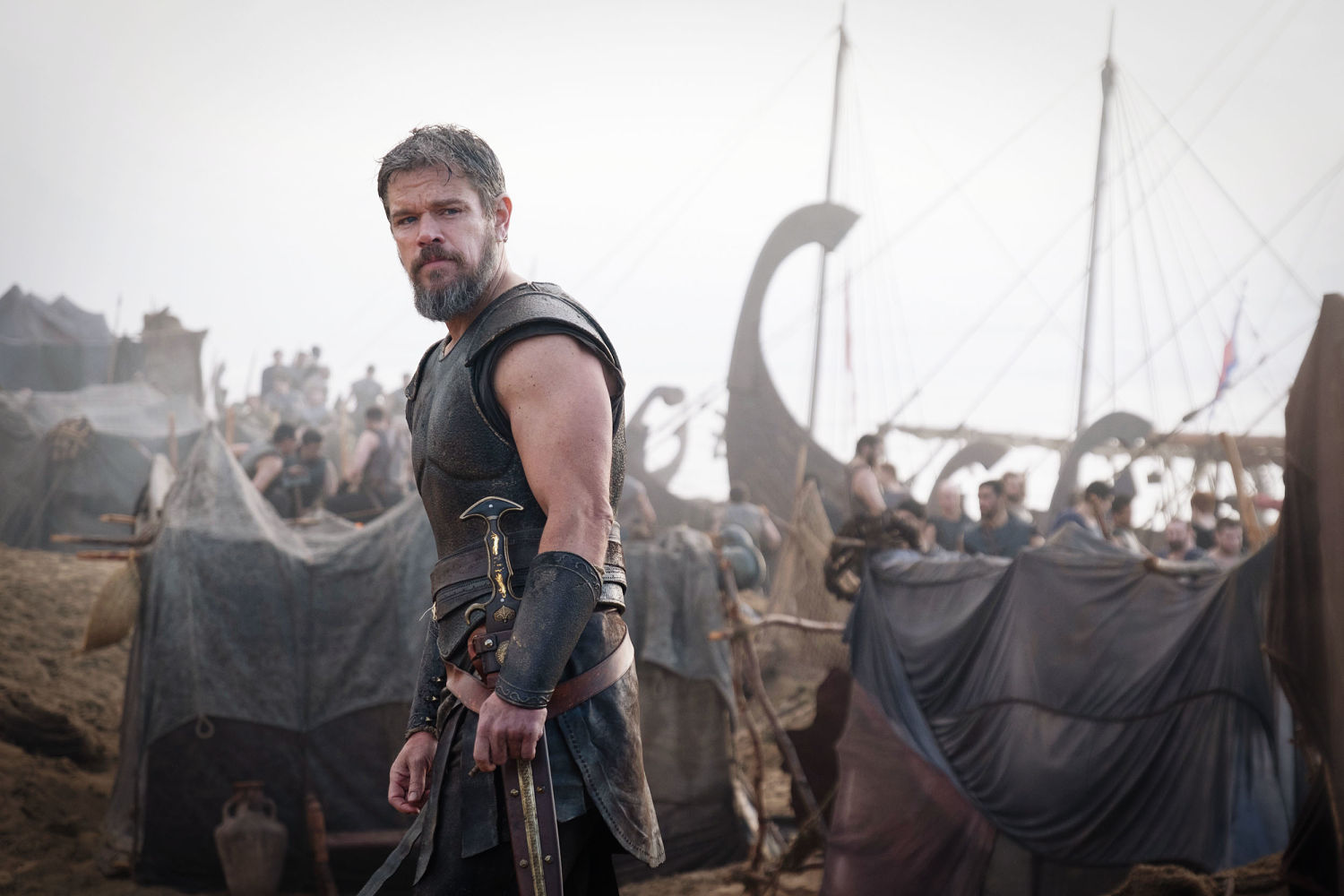
Moviegoers trying to book premium large format tickets for Christopher Nolan's upcoming sci-fi epic, The Odyssey, encountered digital brick walls on June 4, 2026. The sudden surge of traffic choked the AMC Theatres app and official website, forcing thousands into hours-long virtual waiting lines. If you spent your morning staring at a paused queue screen or watching your selected seats vanish during checkout, you experienced the absolute limits of current theater ticketing infrastructure.
The immediate issue stems from a structural mismatch between server capacity and a highly compressed, global ticket rush. Universal Pictures positioned this film as a monumental theatrical experience, heavily marketing the fact that it was shot entirely using 15-perf/65mm IMAX film cameras. When those coveted IMAX 70mm and premium format seats dropped, film enthusiasts behaved more like concert fans hunting down front-row festival passes. The technical strain wasn't confined to AMC either. Platforms like Fandango experienced massive operational lag under the simultaneous weight of millions of concurrent user requests.
The Technology Bottleneck Hidden Inside Online Ticketing
Theater ticketing systems are generally built to handle predictable, steady traffic flows. They rely on seat inventory databases that must update in real-time to avoid double-booking. When Christopher Nolan fans flooded the AMC app at the exact same minute, the database struggled to lock down specific seats fast enough while thousands of other users clicked on those exact same coordinates.
To keep the entire infrastructure from collapsing entirely, AMC employed a virtual queue system. This traffic-throttling mechanism acts as a digital gatekeeper, letting only a fixed number of users access the seat selection and payment processing engines at a time. The problem is that when the queue stalls or pauses, it creates an data logjam. Users who survived the hour-long line reported getting kicked right back to the beginning after hitting account login errors or third-party payment processing timeouts.
The intense rush specifically targeted IMAX 70mm locations. Because only a tiny handful of theaters globally are equipped to project native 15-perf/65mm film prints, the available seat supply for the July 17, 2026 release date is incredibly small. This scarcity created a hyper-concentrated traffic spike that generic load-balancing servers simply aren't configured to absorb without significant friction.
Actionable Steps to Bypass the Ticket Queue Stalls
If you're still hunting for opening weekend tickets and want to avoid staring at a spinning loading wheel, you need to alter your booking strategy. Relying solely on the primary AMC mobile app during a massive presale event is usually a recipe for frustration.
- Switch to Third-Party Ticketing Hubs: When AMC's proprietary servers are buckling, check secondary ticketing outlets like Atom Tickets or Fandango. They pull from the same theater seat maps but run on completely separate, often more resilient server architectures that might let you bypass the central AMC home page bottleneck.
- Opt for Guest Checkout Over Account Login: Account database lookups are incredibly heavy tasks for a struggling server. If the platform allows it, bypass the traditional member sign-in screen and check out entirely as a guest. You can always manually claim your theater rewards or points later via your email receipt.
- Do Not Hit Refresh During Checkout: If you manage to advance past the seat map to the final payment screen, do not refresh the browser window if the processing icon takes longer than usual. Manually reloading at this stage frequently breaks the temporary database lock on your chosen seats, throwing you right back to the end of a 60-minute virtual queue.
- Target Mid-Week Screenings or Standard Formats Later: If you don't absolutely need to see the movie on opening night, look at showtimes scheduled for Monday through Thursday of the following week. Alternatively, if your local theater doesn't feature an authentic IMAX 70mm screen, settling for standard 70mm, 35mm, or traditional digital laser projection can save you hours of digital line-waiting while still providing a phenomenal viewing experience.
The theater industry has faced these exact infrastructure meltdowns before, notably during major concert film releases. Until ticketing networks adopt more elastic cloud-computing models that scale instantly to mimic modern concert ticket drops, the digital scramble for major cinema events will remain a test of patience. Focus your efforts on alternative platforms, streamline your checkout profile, and avoid messing with your browser settings once you get your foot in the door.