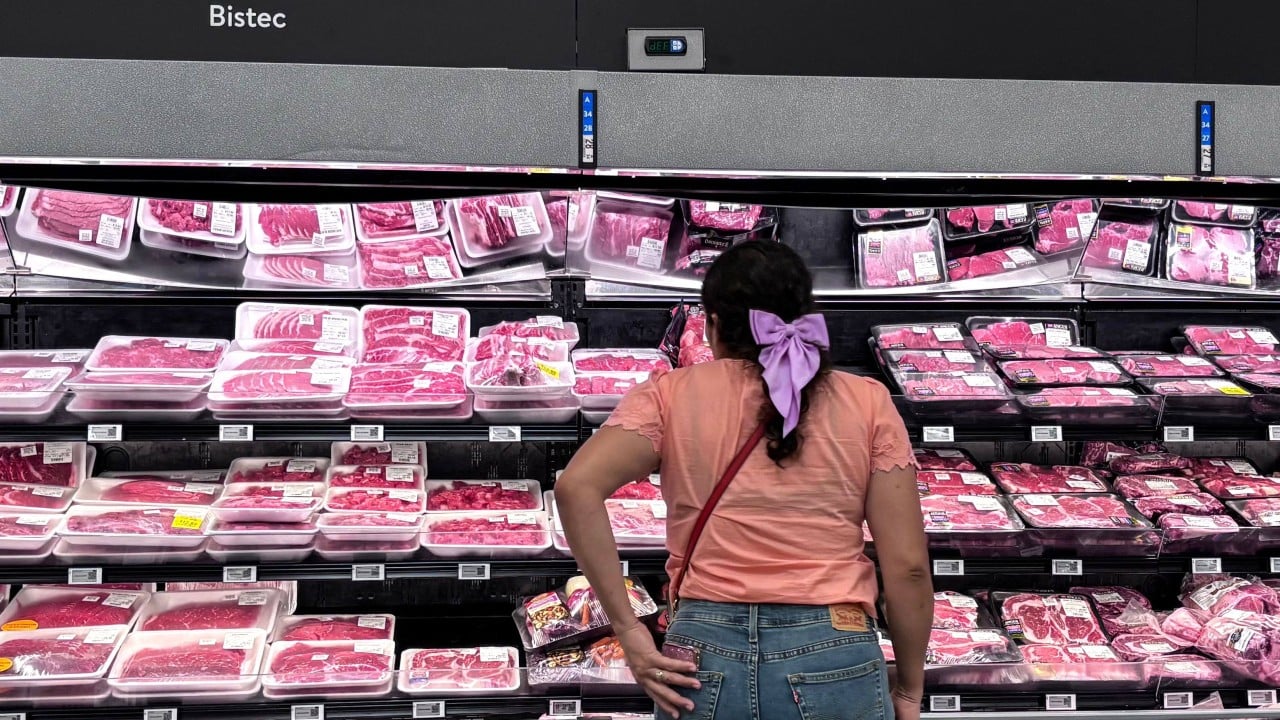
You walk down the grocery aisle, toss a few basic items into your cart, and look at the register total with a quiet sense of disbelief. It is a familiar routine lately. People aren't just complaining about the cost of living anymore; they are fundamentally altering how they view their financial futures.
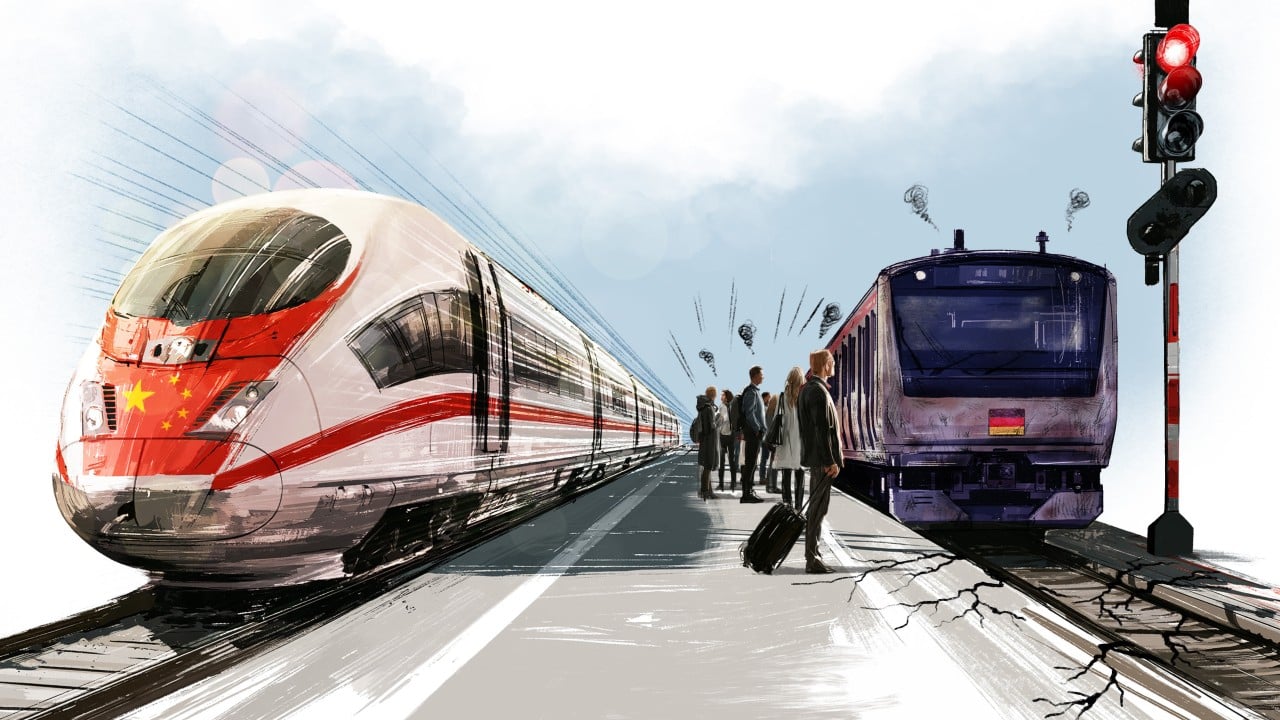
Recent data from the Conference Board reveals a stark reality. Consumer confidence dropped sharply to a twelve-year low, mirroring levels not seen since 2014. When everyday citizens lose faith in the economic engine, it isn't just about abstract stock market numbers. It is about stagnant paychecks running headfirst into stubborn inflation, climbing energy bills, and a pervasive anxiety over job security. Also making headlines recently: The Brutal Truth Behind Germany's Rail Collapse.
Let's look past the political spin and examine what is actually happening to household budgets across the country.
The Real Pinch of Stagnant Wages and Persistent Costs
Economists love to talk about macro trends, but real life happens at the cash register. For years, price tags on groceries, utilities, and insurance have crept upward while wage growth has struggled to keep a meaningful lead. Even when nominal pay bumps occur, they are routinely swallowed by the elevated cost of essentials. More details into this topic are detailed by The Wall Street Journal.
When inflation stays sticky above target rates for years, savings accounts take a brutal hit. Families who used to squirrel away cash for emergencies are now draining those reserves just to cover monthly expenses. That dynamic explains why the psychological weight on consumers has become so heavy. People feel like they are running on a treadmill that keeps speeding up while the floor stays in the same place.
Energy Spikes and Global Pressures
You cannot talk about the current slump in confidence without looking at energy costs. Spikes in fuel prices ripple through the entire economy, making transportation, manufacturing, and food production more expensive overnight. When global shipping lanes face disruptions and geopolitical conflicts flare up in oil-producing regions, the pain is instantly exported to local gas stations.
Gasoline price surges act as an immediate tax on every commuter and logistics network. When a massive chunk of a household's weekly cash goes straight into the tank, discretionary spending evaporates. People pull back on eating out, delay major appliance purchases, and put travel plans on indefinite hold.
Who Is Feeling the Squeeze the Most?
An interesting wrinkle in the recent sentiment data is how widespread the pessimism has become. While lower-income households always feel economic strains acutely, recent surveys show that upper-middle-class and middle-class families are driving a significant share of the recent sentiment drop.
These are households with steady jobs, mortgages, and retirement accounts. Yet, they are noticing the compounding effect of high interest rates on credit cards and auto loans. Borrowing money has gotten remarkably expensive. Buying a car or a home now requires structural sacrifices that previous generations didn't have to factor into their standard of living. When the middle class feels squeezed, the entire retail and service ecosystem starts to feel the slowdown.
Navigating the Uncertainty
If you are feeling the pinch, waiting around for national indexes to magically recover isn't a strategy. Protecting your personal financial baseline requires a few deliberate moves:
- Audit your fixed expenses ruthlessly. Subscription services, insurance policies, and utility providers routinely bleed cash without delivering proportional value. Call and negotiate rates or cut them entirely.
- Prioritize high-interest debt elimination. When borrowing costs are high, carrying balances on revolving credit is financial quicksand. Throw extra cash at those debts before chasing low-yield investments.
- Build a lean buffer. Having even a modest emergency fund prevents a single unexpected car repair or medical bill from spiraling into a high-interest crisis.
The economic climate is tough right now, and pretending otherwise helps nobody. Acknowledging the squeeze is the first step toward taking back control of your financial household.