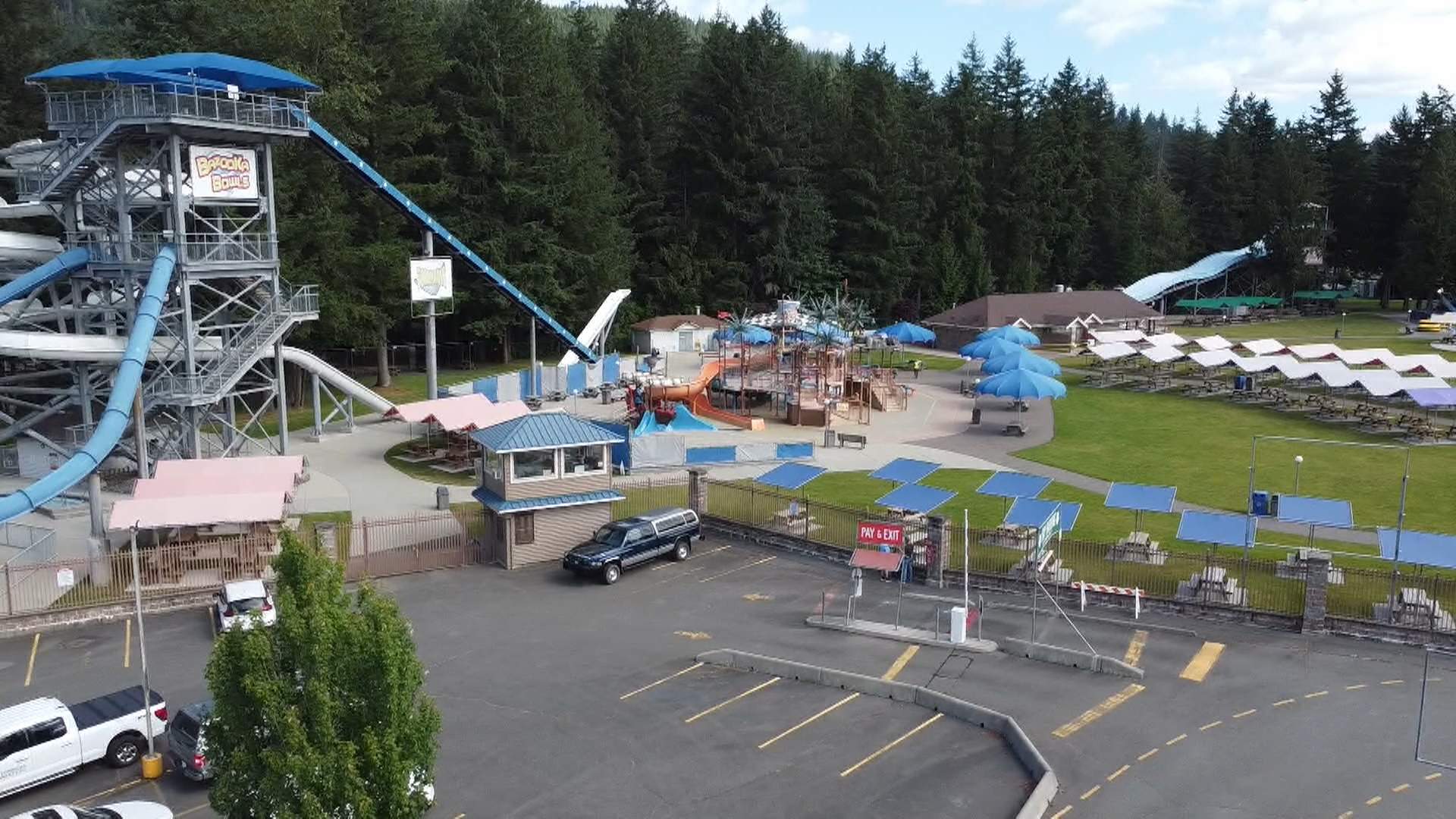
A business that depends on an 80-day seasonal window for 100% of its annual revenue cannot survive an indefinite operational freeze without compounding structural damage. The indefinite closure of Cultus Lake Waterpark in British Columbia, following a June 15, 2026, electrical incident that injured 12 middle school students, provides a clinical case study in critical operational dependency. The park's current objective to target a mid-July reopening exposes a disconnect between optimistic corporate messaging and the friction of multi-agency regulatory enforcement.
Understanding this operational stall requires mapping the three distinct dependencies that dictate amusement park compliance, asset utilization, and liability management in the wake of a mass-casualty technical failure.
The Three Pillars of Regulatory Clearance
The facility cannot resume operations based on its internal timeline. Reopening requires concurrent, uncompromised sign-offs from three independent regulatory bodies, each evaluating a different vector of institutional risk.
                                 ┌─────────────────────────┐
                                 │   June 15 Incident:     │
                                 │  Electrical Discharge  │
                                 └────────────┬────────────┘
                                              │
                    ┌─────────────────────────┼─────────────────────────┐
                    ▼                         ▼                         ▼
        ┌───────────────────────┐ ┌───────────────────────┐ ┌───────────────────────┐
        │  Technical Safety BC  │ │      WorkSafeBC       │ │     Fraser Health     │
        ├───────────────────────┤ ├───────────────────────┤ ├───────────────────────┤
        │ Technical Compliance  │ │ Occupational Safety   │ │  Public Sanitation    │
        │ • Engineering audits  │ │ • Staff safety policy │ │ • Water quality       │
        │ • Infrastructure fix  │ │ • Protocol review     │ │ • Biological risks    │
        └───────────────────────┘ └───────────────────────┘ └───────────────────────┘
Technical Safety BC: Engineering and Infrastructure
This provincial watchdog holds direct jurisdiction over the mechanical and electrical infrastructure of amusement rides. The agency issued a formal shutdown order after preliminary findings confirmed structural electrical non-compliances at the site. The mechanism of failure involved an unauthorized electrical discharge that energized a steel frame tent structure and handrails at the egress of the Zero to 60 waterslide attraction.
Technical Safety BC acts as the primary bottleneck. Its safety officers will not lift the shutdown order until the park owner identifies, executes, and verifies the remediation of all systemic hazards. The agency operates on an absolute safety mandate, meaning commercial timelines exert zero influence over its investigative velocity.
WorkSafeBC: Occupational Safety and Human Capital
While the public focus remains on the 12 injured visitors, WorkSafeBC evaluates the workplace environment from the perspective of employee exposure. An incident where infrastructure becomes live with electrical current implies that lifeguards, ride operators, and maintenance staff were exposed to an identical hazard. WorkSafeBC's protocol requires an internal investigation into the employer's safety management system, training logs, and emergency response times.
Fraser Health: Public Sanitation and Environmental Health
Waterparks operate under strict public health operating permits governed by regional health authorities. Any protracted shutdown of a massive water circulation system introduces biological risks, specifically the rapid stagnation of standing water and the potential colonization of Legionella or other waterborne pathogens. Fraser Health requires complete system flushes, chemical re-balancing, and laboratory testing before public entry can be re-authorized.
The Economics of a Seasonal Squeeze
Amusement parks in northern climates operate under a compressed revenue generation cycle. The financial damage of a mid-season shutdown is not linear; it is exponential.
The operational window for a Canadian waterpark spans roughly from late May to early September, with peak demand concentrated heavily between July 1 and August 31. The loss of the final two weeks of June eliminates approximately 15% to 20% of the seasonal operating window. A further slip into mid-July destroys nearly 40% of the entire seasonal revenue capacity.
Seasonal Revenue Curve (May - Sept)
[--- May/June: 20% ---][====== July/August: 70% ======][--- Sept: 10% ---]
       ^                             ^
   [SHUTDOWN]                 [PEAK EXPOSURE]
This creates a severe cash-flow strain due to two fixed structural costs:
- The Sunk Liability of Inventory and Capital Expenditures: Pre-season maintenance, chemical procurement, and winterization repairs represent fixed capital outlays that cannot be recouped if the park is dark.
- The Refund Shock Wave: Cultus Lake Waterpark has suspended all ticket sales and is actively issuing refunds to existing ticket holders. This causes immediate cash drain as the operation shifts from revenue accumulation to working capital depletion.
The second limitation is labor attrition. Seasonal waterparks rely on temporary student labor. When a facility enters an indefinite shutdown, hourly employees face zero earnings. This creates an immediate risk of staff attrition to competing regional employers. Even if the park receives regulatory approval to open in mid-July, it may face a critical operational bottleneck: a deficit of certified, trained lifeguards required to meet legal staff-to-guest ratios.
Technical Mechanisms of the Failure
The root cause of the incident introduces complex engineering liabilities. BC Hydro confirmed that the electrical fault originated on the "customer's side" of the electrical service, isolating the failure strictly to the waterpark's internal distribution network.
In a water-dense environment, electrical safety depends on proper grounding, bonding, and the continuous verification of Ground Fault Circuit Interrupters (GFCIs). When a metal railing or steel structure becomes energized, it indicates a failure in the bonding system.
[Electrical Source] ---> [Insulation/Component Failure] ---> [Unbonded Metal Railing]
                                                                      │
                                                               (Path of Travel)
                                                                      │
                                                                      ▼
                                                             [Human Contact (Shock)]
If stray current cannot find a low-resistance path back to the ground plane due to broken or corroded bonding conductors, the metal structure retains electrical potential. The human body, touching the rail while wet, completes the circuit to ground, suffering electrical burns.
The scope of the required engineering fix is immense. Technical Safety BC is not merely inspecting the single outlet or wire that failed; they are auditing the broader electrical integration of the entire attraction area to ensure that non-compliance is not systemic across older infrastructure.
The Execution Strategy
The path to an operational restart requires a highly sequenced, phase-gated execution strategy. The park cannot run these processes in parallel; each phase acts as a strict dependency for the next.
- Forensic Engineering and Isolation: Complete the isolation of the faulty circuit at the Zero to 60 attraction. Engineers must map the entire grounding network of the park to guarantee zero potential differences across any public-facing metal structures.
- Deficiency Remediation: Execute the physical repairs demanded by Technical Safety BC. This includes replacing compromised conduit, installing upgraded GFCI modules, and verifying that every metal frame tent, fence, and handrail is mechanically bonded to the main grounding grid.
- Third-Party Verification: Retain external, independent electrical engineers to run load tests and ground resistance testing across the facility. This documentation forms the evidentiary basis needed to petition for the removal of the Technical Safety BC shutdown order.
- Operational Dry Runs: Conduct full-scale operational tests without public guests. This phase serves to satisfy WorkSafeBC requirements regarding staff retraining on emergency shutdown protocols and ensures Fraser Health that water circulation and filtration systems are operating within statutory biochemical thresholds.
The park's public projection of a mid-July opening remains an educated hypothesis rather than a operational certainty. If follow-up inspections by Technical Safety BC uncover secondary non-compliances in adjacent infrastructure, the shutdown order will be extended. The definitive operational play requires the ownership group to prioritize systemic infrastructure certification over arbitrary calendar targets. Hurrying an inspection process with a regulator holding an absolute safety mandate will only result in rejected applications and a permanent loss of consumer trust.