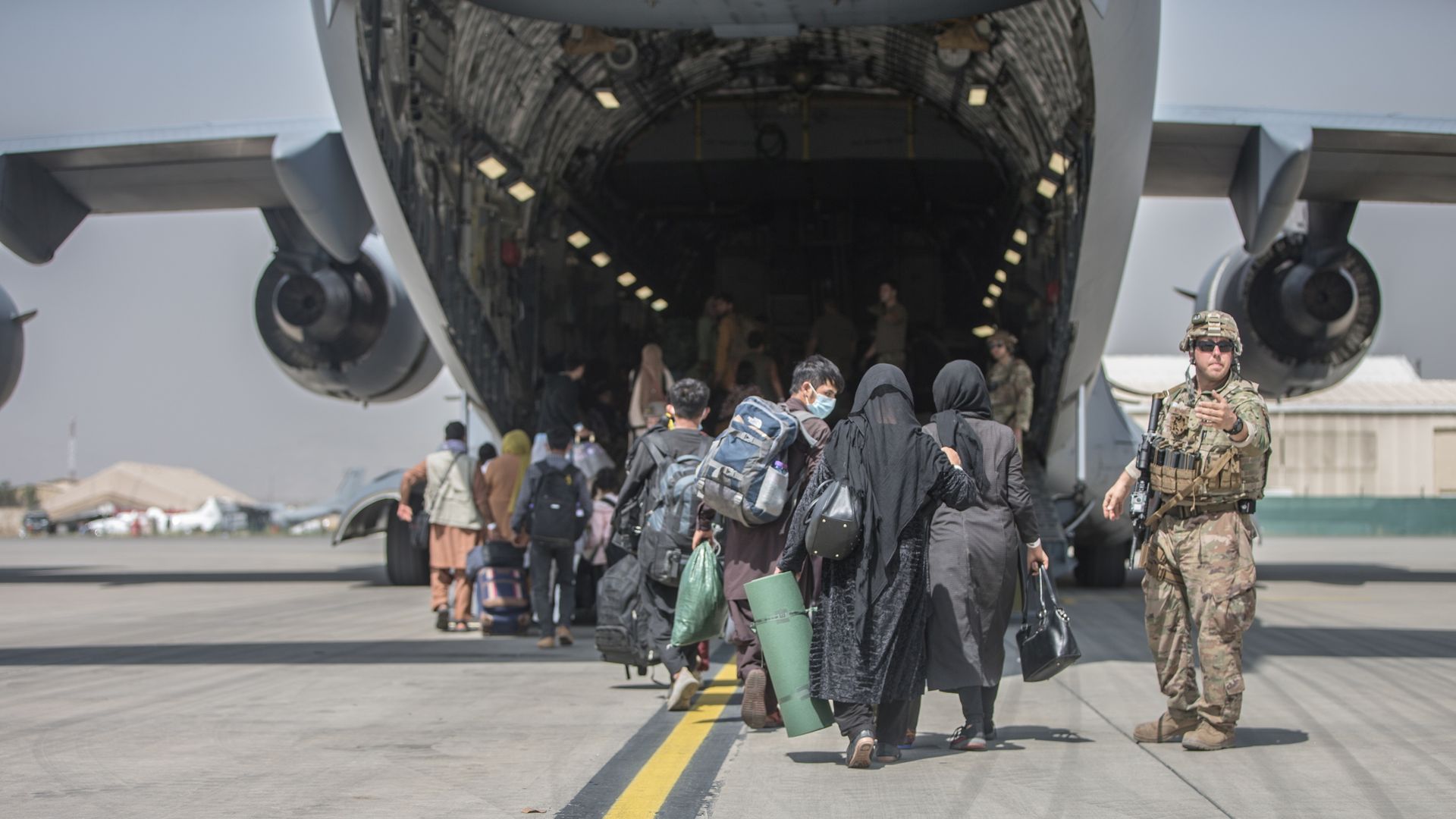
In February 2022, a single operational lapse within the United Kingdom Ministry of Defence compromised the personal records of 18,714 Afghan nationals who had collaborated with British forces. Rather than transmitting a targeted file of 150 names via authorised channels, a department official leaked the entire master register containing names, contact points, and biographical markers outside secure government architectures. This structural failure cascaded into a multi-year containment effort defined by legal suppression, covert relocation routing, and a fundamental breakdown of duty of care to high-risk allies.
Deconstructing this crisis requires moving past superficial descriptions of administrative incompetence. Institutional vulnerabilities of this magnitude operate through systemic pathways: the friction between bureaucratic scale and secure data handling, the cost function of information suppression, and the asymmetric retaliation risks faced by localized informants.
The Mechanics of the Breach
The initial vulnerability stemmed from a failure of process control. Bureaucratic machinery processing asylum or relocation requests under frameworks like the Afghan Relocations and Assistance Policy (ARAP) operates under extreme throughput pressures. When handling sensitive dossiers, standard operating procedures dictate strict compartmentalization and multi-layered verification protocols.
The mechanism of failure involved three distinct operational missteps:
- Process Bypass: Operating outside authorized government systems to expedite communication.
- Scale Misestimation: Failing to verify payload volume, confusing a localized list of 150 entries with a master repository of nearly 19,000 records.
- Lack of Redundancy: Absence of automated validation checks that flag anomalous data exports or unencrypted external transmissions.
When the file escaped secure perimeters, it immediately entered an information ecosystem controlled by hostile actors. Because the data included next-of-kin indicators, phone numbers, and home addresses, the compromise transformed local intelligence gathering for the Taliban from a probabilistic search into a targeted administrative lookup.
The Economics and Logic of Suppression
Following the discovery of the leak, the response strategy shifted from immediate mitigation to legal containment. Successive governments pursued and secured a historic super-injunction in August 2023, maintaining a legal gag order that suppressed public reporting for years.
From an institutional risk-management perspective, the decision to suppress information follows a predictable cost-benefit calculus. The perceived cost of reputational damage, international embarrassment, and immediate legal exposure was weighed against the deferred cost of compromised human assets. By prioritizing operational secrecy, the state chose to absorb future security liabilities in exchange for short-term narrative control.
This creates an acute governance paradox. State secrecy protections, designed to shield operational intelligence from adversaries, were repurposed to shield the bureaucracy from public accountability. The deployment of a super-injunction delayed transparent risk assessments, preventing affected individuals from taking timely protective measures. Without notification, vulnerable interpreters and former military contractors could not alter their digital footprints or relocate before local surveillance networks closed in.
Quantifying the Ripple Effects and Operational Costs
The downstream consequences of the data loss manifest across physical, psychological, and financial dimensions. The state's subsequent establishment of a covert relocation pathway—the Afghanistan Response Route—incurred expenditures exceeding 850 million pounds sterling, reflecting the immense fiscal burden required to correct a single administrative error.
Yet, financial remediation fails to capture the human security deficit. Field studies and parliamentary inquiries indicate that the exposed population faces severe retaliatory risks, including targeted interrogations, property destruction, and fatalities among family members remaining in regions under Taliban control.
The systemic impact can be modeled through three variables:
- Information Exposure Radius: The speed and breadth with which local intelligence networks weaponized the leaked database against localized targets.
- Response Latency: The temporal gap between the initial breach in February 2022, its discovery, and the eventual notification of victims years later.
- Mitigation Asymmetry: The disparity between the state's insulated legal defense and the unshielded physical exposure of the Afghan nationals.
Parliamentary reviews have since classified the episode as a foreseeable outcome of chronic under-resourcing and lax oversight within military administrative units. The Ministry of Defence subsequently disclosed dozens of secondary data leaks within related processing hubs, confirming that the 2022 incident was not an isolated anomaly but a symptom of systemic administrative fragility.
Strategic Realignment for High-Risk Data Governance
To prevent similar failures in allied operations, institutional architectures must abandon reliance on manual verification and legal suppression. Security protocols must transition from reactive damage control to proactive system hardening.
The operational blueprint for high-risk bureaucratic environments requires three structural mandates:
- Zero-Trust Export Controls: Implement hardware and software restrictions that physically block bulk data transfers of sensitive personnel files outside encrypted, audited environments.
- Mandatory Disclosure Timelines: Establish statutory requirements that prioritize immediate notification of affected individuals over institutional reputation management, shifting the legal penalty toward concealment.
- Independent Oversight Integration: Outsource compliance audits of military relocation schemes to external regulatory bodies with powers to enforce structural corrective actions before catastrophic data losses occur.
Massive British military breach left Afghans in danger
This video provides additional context regarding the parliamentary findings and the ongoing security implications for Afghan nationals affected by the Ministry of Defence data leak.
http://googleusercontent.com/youtube_content/1