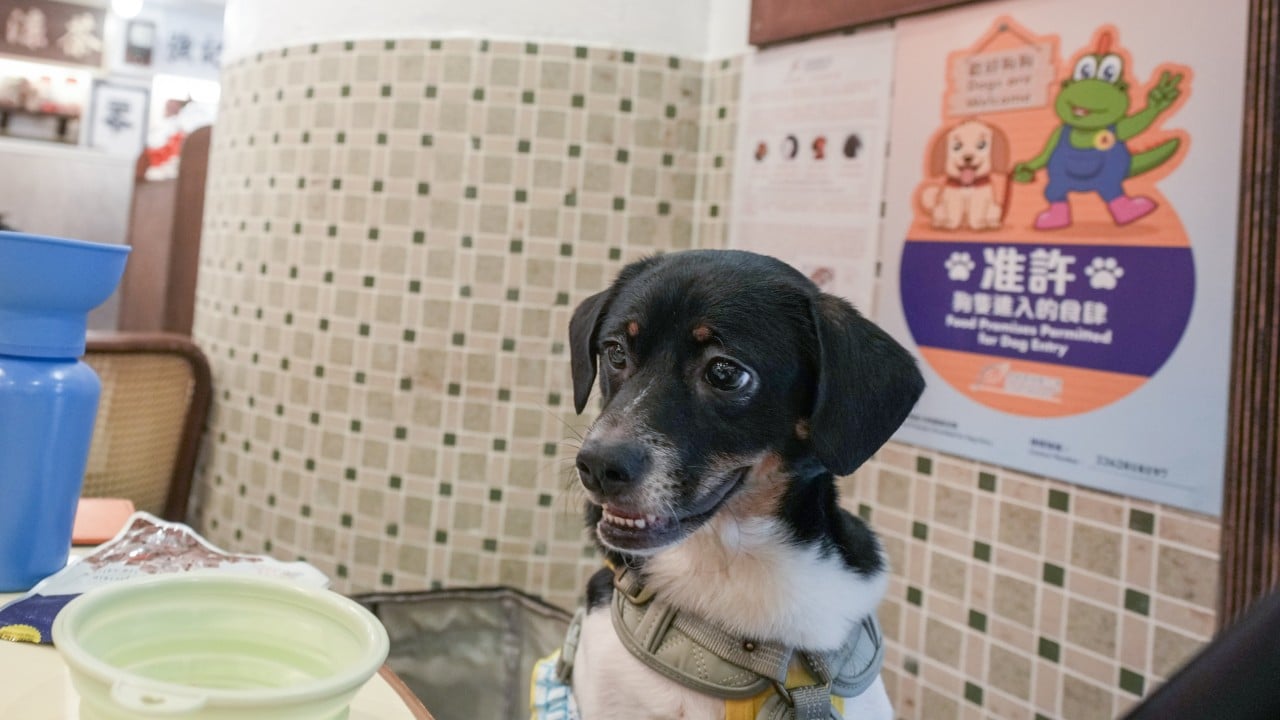
The scaling failure of public infrastructure modernization initiatives is rarely caused by regulatory resistance; it is almost universally driven by operational friction. When the Hong Kong Food and Environmental Hygiene Department (FEHD) terminated a 30-year prohibition on canine presence in dining establishments by issuing 940 pilot permits, the structural assumptions of policymakers immediately collided with the realities of high-density retail footprints. The subsequent registration of 20 formal compliance complaints within days, alongside the high-profile attrition of early participants like Cafe 100% in Ma On Shan, reveals a predictable optimization mismatch between macro policy objectives and localized execution capability.
To evaluate why early adoption curves fail in pet-inclusive dining models, the issue must be examined through a strict operational framework rather than public sentiment. The core problem is an asset-utilization and risk-mitigation dilemma where small physical spaces struggle to manage multi-species interactions safely.
The Tri-Factor Friction Framework
The immediate withdrawal of service providers from the framework highlights a severe misalignment across three core metrics: layout density, workflow velocity, and behavioral heterogeneity. When these vectors intersect inside a high-volume restaurant, operational efficiency degrades rapidly.
Spatial Constraints and Layout Density
High-density food and beverage operations rely on tight floor-space maximization to meet revenue-per-available-seat-hour targets. Introducing dogs into a square footage designed for optimal human seating creates immediate spatial interference.
- Physical Bottlenecks: Standard aisle widths in mass-market dining concepts are optimized exclusively for human movement and service cart clearances. The presence of non-standard physical variables—such as varying leash lengths and sedentary animals—restricts service paths.
- Micro-Zoning Hurdles: Effective separation requires dedicated buffers. In restaurants with small footprints, creating distinct pet-safe and pet-free zones reduces flexible seating capacity, directly lowering peak-hour seat utilization rates.
Workflow Velocity and Thermal Hazards
Mass-market casual dining relies on fast kitchen-to-table transit, frequently involving hot liquids, sizzling platters, and heavy service equipment.
- The Thermal Risk Multiplier: Staff members moving at speed while balancing high-temperature items cannot easily scan floor levels for low-lying, unpredictable movements.
- Labor Friction: The threat of sudden, erratic movements by an animal converts standard food service into a high-risk activity. This forces servers to slow down their transit speeds, increasing table turn times and cutting into peak revenue potential.
Behavioral Heterogeneity and Customer Variance
Unlike controlled service animal systems where animals undergo rigorous standardization training, commercial pet schemes accept highly unpredictable variables.
- Compliance Variance: While regulatory guidelines dictate fixed leash lengths and specific seating locations, enforcement falls entirely on front-line restaurant workers who lack formal animal-handling training.
- The Conflict Vector: This creates immediate service tension. Staff must step in to correct non-compliant patrons, which shifts labor time away from core service duties and often hurts the overall dining experience for nearby customers.
The Cost Function of Multi Species Compliance
Eateries that join these initiatives face immediate, non-linear increases in operational expenses that frequently outweigh the marginal gains of capturing pet-owning demographics. This structural cost imbalance can be broken down into three major operational line items.
Total Operational Burden = Primary Training Cost + Margin Drag from Velocity Reductions + Liability Premium Increases
First, the sanitization requirements escalate. Standard turnover cleanups involve basic surface wipe-downs. Introducing animals requires high-frequency sanitization protocols for floors, chair bases, and air filtration systems to manage dander and potential biological contaminants. The cost of specialized cleaning agents and increased labor time directly cuts into slim restaurant margins.
Second, insurance and liability profiles shift unfavorably. In high-density settings, the mathematical probability of a workplace injury or customer liability claim increases when unpredictable animals are introduced near staff carrying boiling liquids. Insurance providers adjust premiums upward to match this elevated risk profile, creating a fixed overhead penalty for participating venues.
Third, customer churn among pet-averse diners creates a structural revenue leak. For every pet owner captured by the scheme, a percentage of traditional customers leave due to allergies, hygiene concerns, or noise disruption. In competitive urban food markets, losing high-margin corporate or traditional family diners to capture a niche demographic is a poor trade-off.
Strategic Attrition as a Rational Risk Play
The decision by early adopters to pull out of the program should not be seen as a policy failure. Instead, it is a rational, risk-adjusted correction. Operators who quickly realized that their physical space could not safely support the program chose to protect their core business metrics.
Net Commercial Yield = (Marginal Customer Gain * Average Ticket Size) - (Labor Efficiency Loss + Customer Churn Value + Liability Risk Exposure)
When this formula yields a negative value, the only logical business move is immediate withdrawal. For mass-market brands with high volume and low margins, the drag on service speeds alone justifies leaving the program.
Designing a Viable Dual Path Framework
For pet-inclusive dining schemes to succeed long-term without triggering high business attrition, the operational framework must move away from a broad, single-tier permit model toward a highly structured, multi-tiered approach.
[Level 1: Outdoor/Terrace Only] ---> [Level 2: Segregated High-Square-Foot Zones] ---> [Level 3: Full Interior Integration (Acreage Exempted)]
Regulators should establish distinct permit classes tied directly to an establishment's layout metrics and workflow profiles. Venues under a certain square-footage threshold or those featuring high-temperature self-cooking tables should be restricted to outdoor or terrace participation only.
Concurrently, operators who want to target the pet economy must treat pet integration as a core architectural requirement rather than a simple marketing add-on. This means designing dedicated entry zones, investing in raised perimeter seating that isolates animals from main service paths, and deploying specialized service workflows that separate food runners from animal-proximate spaces. Until these physical and operational boundaries are standard practice, broad public integration will continue to face high failure rates at the micro-execution level.