Mega-donations usually arrive with a chorus of PR agents, flashbulbs, and granite plaques bearing the donor's surname in three-inch capital letters. Universities name business schools after corporate titans; sprawling medical wings bear the monikers of billionaires who want their permanence etched into concrete and glass.
Then there is Norma Jean Warner.
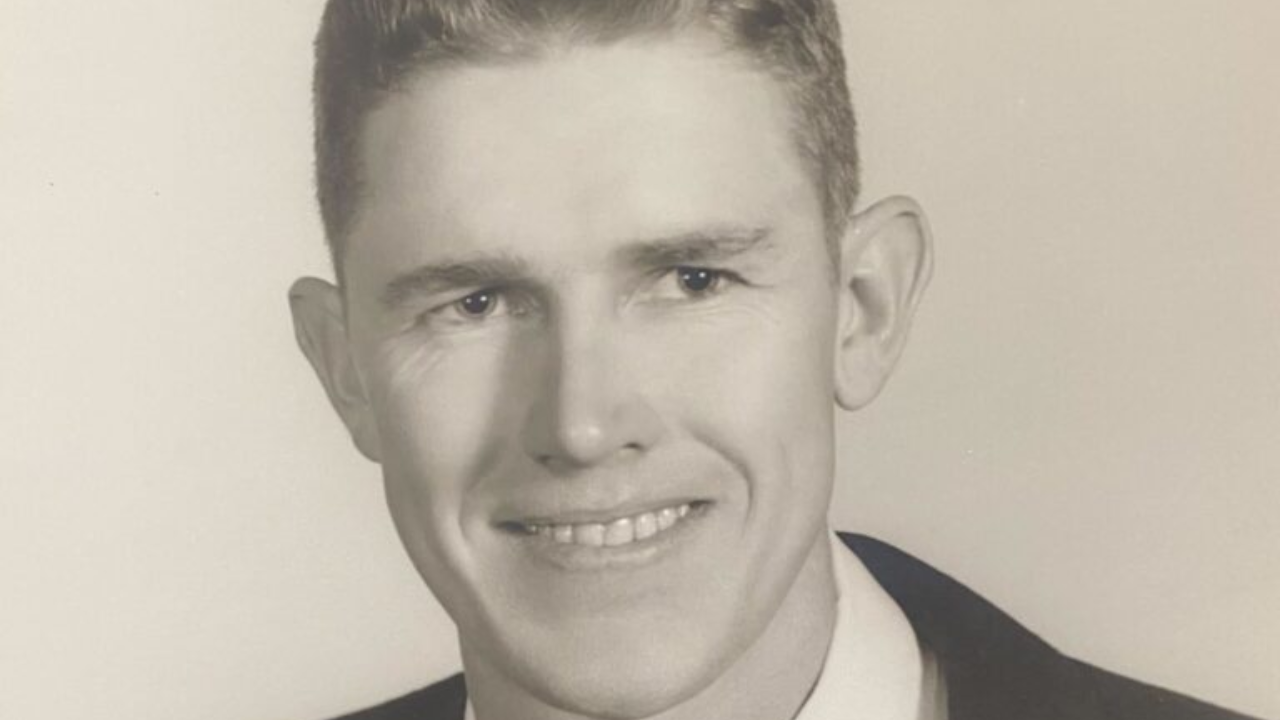
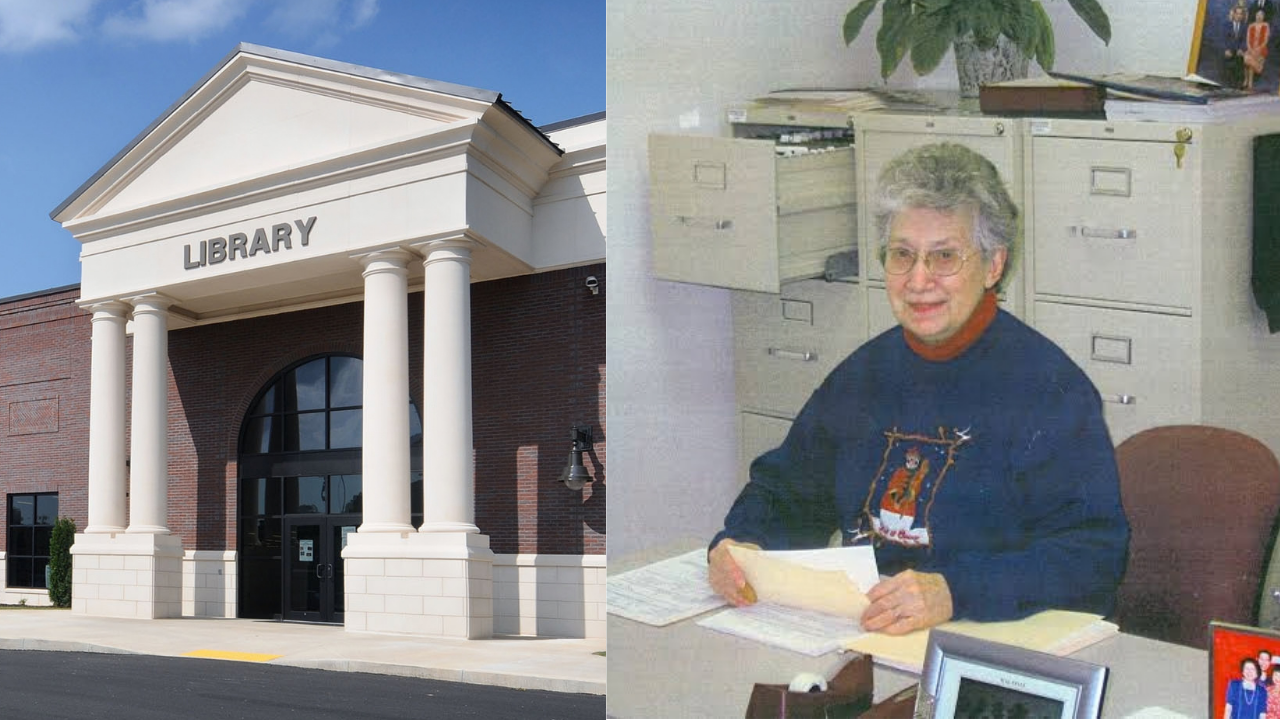
When Warner passed away in Des Moines at the age of 85, she left behind no grand architectural monuments, no endowed university chairs, and no explicit instructions to carve her name into a marquee. Instead, the former optical shop worker and her late husband, Waldo, engineered a financial distribution that systematically bypassed major metropolitan institutions to target the literal capillaries of civic life. Through a carefully structured legal trust, Warner's $3 million estate was quietly apportioned to 485 public libraries and 128 senior community centers located exclusively in towns with populations under 7,000.
The mechanics of this bequest challenge every conventional assumption about modern high-net-worth philanthropy. For decades, wealth advisors have steered large estates toward centralized foundations or major endowments, operating under the theory that capital must be concentrated to create maximum leverage. Warner's estate proved the opposite. By fracturing a three-million-dollar pool into hundreds of granular micro-grants, her trust delivered unexpected capital injections to municipalities that ordinarily operate on shoestring municipal budgets.
To understand the weight of this decision, one must look closely at the economic reality of rural public infrastructure. In small-town America, the local library is rarely just a repository for paperbacks. It functions as the primary digital gateway for job seekers, an after-school sanctuary for children whose parents work multiple shifts, and a climate-controlled refuge for older residents during temperature extremes. Similarly, rural senior centers operate as critical lifelines against the compounding crisis of isolation.
Yet, these institutions are chronically underfunded. Property tax bases in declining or stagnant rural counties cannot support the deferred maintenance, technology upgrades, and programming expansions required to keep pace with modern demands. When a municipal library in a town of 1,200 people receives a sudden windfall of a few thousand dollars—as recorded in local council agendas across Iowa following the trust's execution—the impact is immediate and practical. It buys children's summer reading materials, replaces outdated computer hardware, or funds utility costs that would otherwise force reduced operating hours.
The architecture of the trust itself reveals an uncommon level of foresight. Drafted years before her death, Warner's legal instrument utilized a precise algorithmic formula to identify eligible entities automatically. This prevented the distribution from bogging down in administrative overhead or bureaucratic gatekeeping. Recipients did not have to submit competitive grant proposals, court donors, or navigate complex philanthropic application processes. The money simply arrived like a fiscal ghost, solving immediate budgetary pressures without demanding administrative labor in return.
This approach highlights a widening philosophical rift in how wealth is deployed at the end of life. Mega-philanthropy is increasingly criticized for reflecting the personal vanities or insular priorities of ultra-wealthy donors, often creating elite feedback loops that do little for ordinary citizens. Warner’s blueprint offers an alternative model: radical decentralization. By treating small communities as equally worthy of legacy, she inverted the traditional trickle-down theory of charitable giving, directing capital precisely where the marginal utility of a dollar is highest.
There is a stark instructional value here for estate planners and wealth managers. For generations, the default advice for childless couples of modest working-class backgrounds has been to funnel accumulated savings into a single regional community foundation or alma mater. Warner demonstrated that with precise legal structuring, modest wealth accumulated through a lifetime of frugality and disciplined investing can be weaponized against institutional neglect on a statewide scale.
The checks have cleared. The library shelves are stocked, the senior center programs are running, and hundreds of small-town mayors and directors are left wondering how a woman they never met managed to understand their budgets better than their own state legislatures do. The granite plaques may be missing, but the infrastructure remains standing.