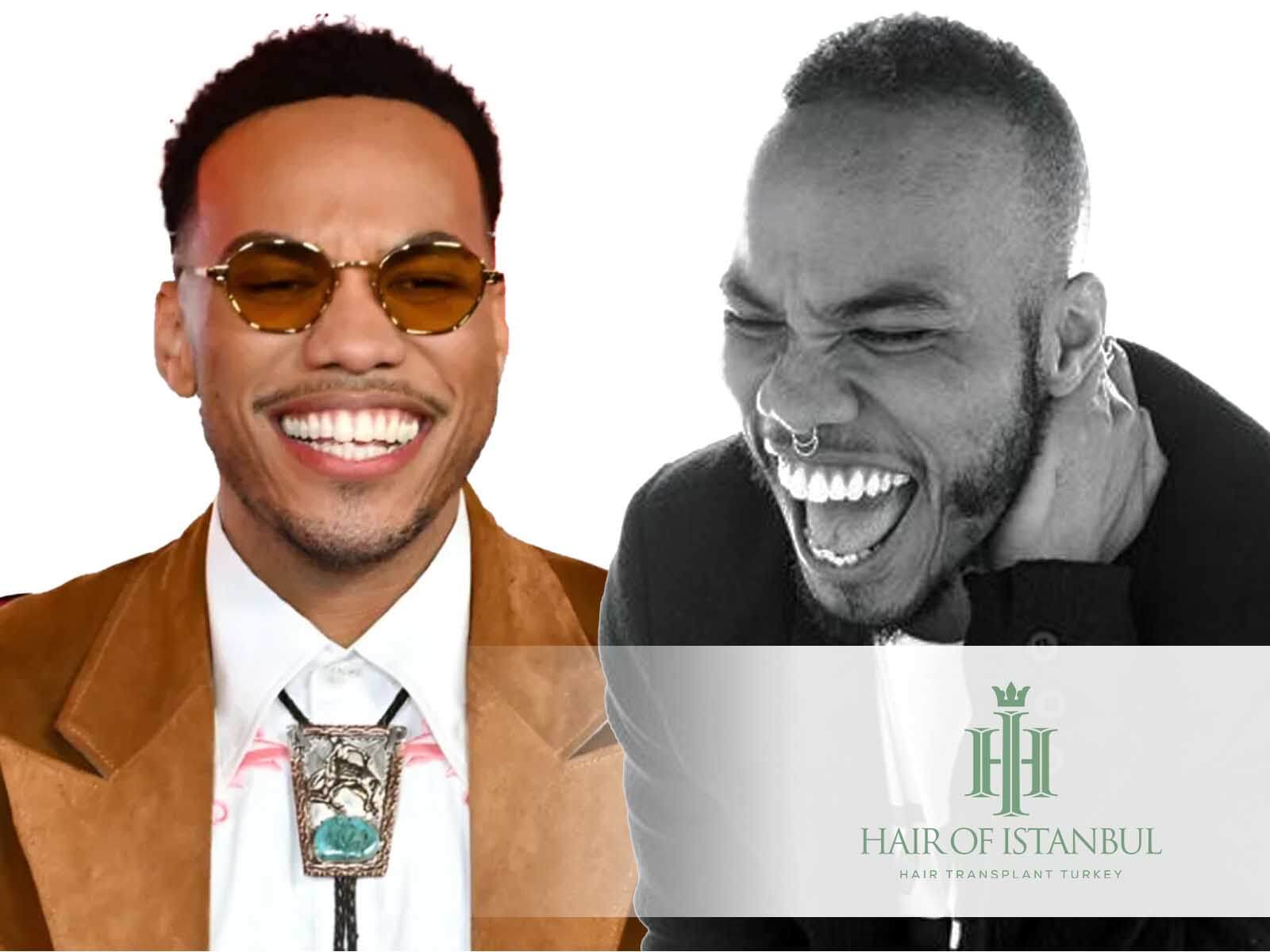
Anderson .Paak didn't just want to make a movie about music. He wanted to fix his relationship with his son. Most Hollywood directorial debuts are vanity projects or safe bets based on existing intellectual property. But with K-Pops!, .Paak took a massive gamble on something intensely personal. He cast his real-life son, Soul Rasheed, to play his fictional son. It’s a meta-narrative that blurs the line between a scripted comedy and a family therapy session caught on 35mm film.
The premise sounds like a classic fish-out-of-water story. A washed-up musician from Los Angeles heads to Korea to write for a K-pop competition, only to discover his long-lost son is the show’s breakout star. It’s got the flashy lights, the synchronized dancing, and the high-stakes glitz of the Seoul music industry. But that’s just the wrapper. Underneath the neon is a story about a father trying to bridge a gap that exists in real life, not just on a screenplay page.
Why the K-pop Scene Was the Perfect Backdrop
K-pop is a machine. It's built on precision, grueling schedules, and a level of perfectionism that can feel suffocating. For a character like .Paak’s—a guy who’s used to the loose, improvisational feel of funk and soul—this world is a shock. But for the real Anderson .Paak, the choice of setting wasn't just about the aesthetic. It was about heritage and the specific pressures of modern stardom.
Soul Rasheed is actually half-Korean. His mother, Jaylyn Chang, has been a constant presence in .Paak’s rise to fame. By setting the movie in Korea, .Paak forced a confrontation with his son’s roots and his own role as a parent in a cross-cultural household. It wasn't just about learning dance moves. It was about understanding a lineage.
The film captures the intensity of the "idol" training system. You see the sweat. You see the repetitive motions. But you also see the joy of a kid finding his footing. This mirrors the real-world dynamic between the two. Soul wasn't originally an actor. He was just a kid who liked making YouTube videos and dancing in the living room. .Paak saw that spark and decided to build a multi-million dollar production around it just to spend more time with him.
The Risks of Mixing Family and Film Sets
Casting your kid is a dangerous move. It can go sideways fast. You’re no longer just "Dad"; you're the Director, the Boss, and the Co-star. If the kid has a tantrum, you can't just send them to their room—you’ve got a crew of 100 people waiting on their union break.
.Paak has been vocal about the friction. He didn't want a "nepo baby" performance that felt plastic or forced. He wanted the eye-rolls. He wanted the genuine annoyance a pre-teen feels when their dad tries to be "cool." During filming, the two had to navigate the professional boundaries of a movie set while dealing with the raw emotions of their actual relationship.
The result is a chemistry you can’t fake with a child actor from a talent agency. When they argue on screen about rhythm or career choices, you're seeing years of household debates condensed into a scene. It’s uncomfortable, funny, and deeply human.
A New Kind of Fatherhood Narrative
Most movies about musicians depict the "absent father" trope. The dad is on tour, the kid is lonely, and there’s a tearful reunion at the end. K-Pops! flips that. It shows a father who is physically there but emotionally out of sync. He’s trying too hard. He’s projecting his own failed dreams onto a kid who has his own path.
It’s a critique of the ego. .Paak plays a version of himself that is arguably less successful and more desperate than he is in reality. He lets himself be the butt of the joke. That’s a rare level of vulnerability for a superstar. By making himself look foolish, he allows his son to be the grounded one, the "straight man" in the comedy duo.
Breaking the Cultural Barrier
The movie also dives into the "hallyu" wave—the global explosion of Korean culture. But it does so from a Black American perspective. This intersection is where the movie finds its heartbeat. It’s about the soul music roots of modern pop and how those sounds traveled across the Pacific and came back transformed.
- Music as a Bridge: The soundtrack is a blend of .Paak’s signature "Silk Sonic" era funk and the polished sheen of modern K-pop.
- Identity: Soul’s character represents a generation of kids who don't fit into a single box.
- Language: The film doesn't shy away from the language barrier, using it as a metaphor for the general lack of communication between generations.
Building a Legacy Outside of Music Videos
We’ve seen musicians try to act before. Some nail it, many fail. .Paak took it a step further by writing and directing. This wasn't a paycheck gig. He spent years developing the script, making sure the tone hit that sweet spot between a broad comedy and a Sundance indie.
He’s following in the footsteps of creators like Donald Glover or Issa Rae—artists who realized that to tell their specific story, they had to own the camera. He didn't wait for a studio to hand him a "father-son" script. He built one out of his own life.
The production itself became a family memory. Instead of a summer vacation, they spent months in Seoul. They ate the food, walked the streets, and worked 14-hour days together. That’s a hell of a way to bond. It’s an extreme version of "Take Your Child to Work Day," but with higher production values and a global distribution deal.
What This Means for the Future of Music Movies
The "music biopic" is tired. We don't need another movie about a singer getting addicted to pills and then having a comeback. K-Pops! suggests a new direction: the "musical meta-memoir." It uses the reality of the artist's life to fuel a fictional world.
It also proves that there is a massive audience for stories that bridge the gap between Western and Eastern pop culture. The success of this film isn't just about .Paak’s fame; it’s about the global obsession with Korea and the universal struggle of parents trying to be relevant to their children.
If you’re looking for a lesson here, it’s about intentionality. .Paak recognized that his career was taking him away from his family, so he made his career about his family. He turned the very thing that creates distance into the thing that creates closeness.
Pay attention to how you’re spending your time with the people who matter. You might not be able to fly them to Korea and put them in a movie, but you can certainly find a way to meet them on their own turf. Whether that's through a shared hobby or just listening to the music they like, the effort is the point. Stop trying to lead the dance and start learning the steps your kids are already taking.