Commercial aviation security relies heavily on the premise of absolute physical isolation between the flight deck and the passenger cabin. When Flydubai Flight FZ1073 experienced an internal breach, it exposed fundamental vulnerabilities in the operational assumptions governing cockpit access controls, crew screening protocols, and emergency physical response mechanisms under duress. Evaluating the event requires shifting focus from individual heroism to the systemic breakdown points that allowed an insider threat to compromise a commercial airliner.
The Threat Vector of Internal Privilege
Standard aviation security architecture post-2001 is engineered around preventing external actors from penetrating the flight deck. Hardened doors, digital access keypads, and video monitoring systems are designed to neutralize asymmetric threats originating from the cabin. However, these mechanisms invert their utility when the threat originates from inside the flight deck itself.
An authorized first officer possesses equal or near-equal physical proximity and operational control to the captain, bypassing the multi-layered perimeter defense entirely. The mechanics of the incident on Flight FZ1073 demonstrate that insider threats exploit the inherent trust required in a two-person flight crew. When the adversary is credentialed, vetted, and already stationed inside the secure zone, traditional access control lists and biometric or code-based door locks cease to function as protective barriers and instead become containment tools used against the surviving crew member.
The Physics of Flight Deck Isolation and Override Failures
Modern narrow-body aircraft cockpit doors are constructed to resist ballistic impacts and forced entry from the exterior. These engineering specifications create severe operational friction during an internal crisis.
- Structural Integrity vs. Emergency Egress: The reinforced composite materials designed to withstand thousands of pounds of pressure from the cabin make physical dismantling from the inside virtually impossible without specialized heavy tools.
- Electronic Override Dependencies: Cockpit doors feature delay mechanisms and toggle switches controlled from the flight deck consoles. If an attacker disables the control panel or blocks access to the physical switches, standard electronic overrides become inaccessible.
- Spatial Confinement: The ergonomic layout of a commercial flight deck leaves minimal room for physical maneuvering, severely limiting a pilot's capacity to defend against close-quarter kinetic assaults.
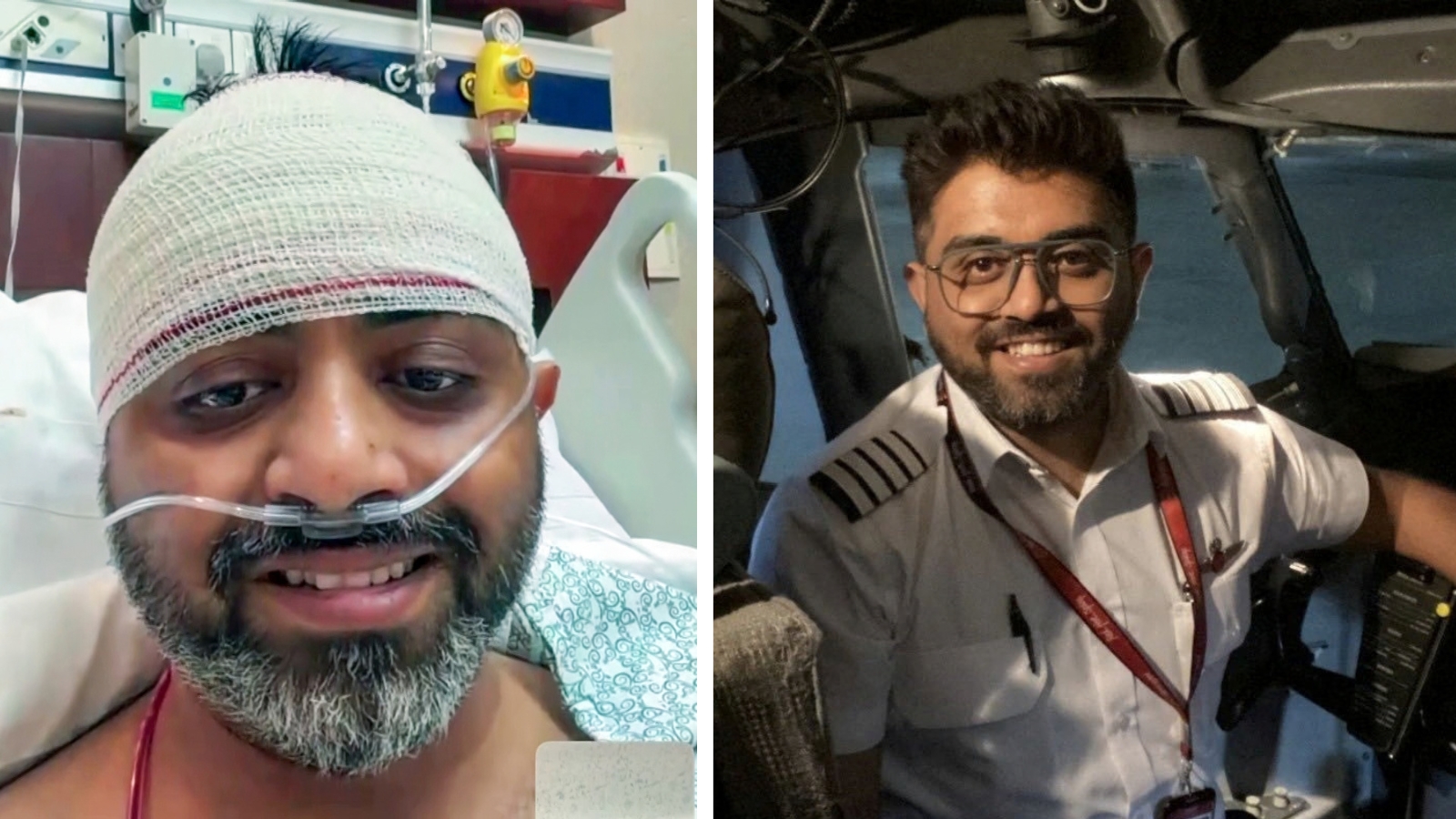
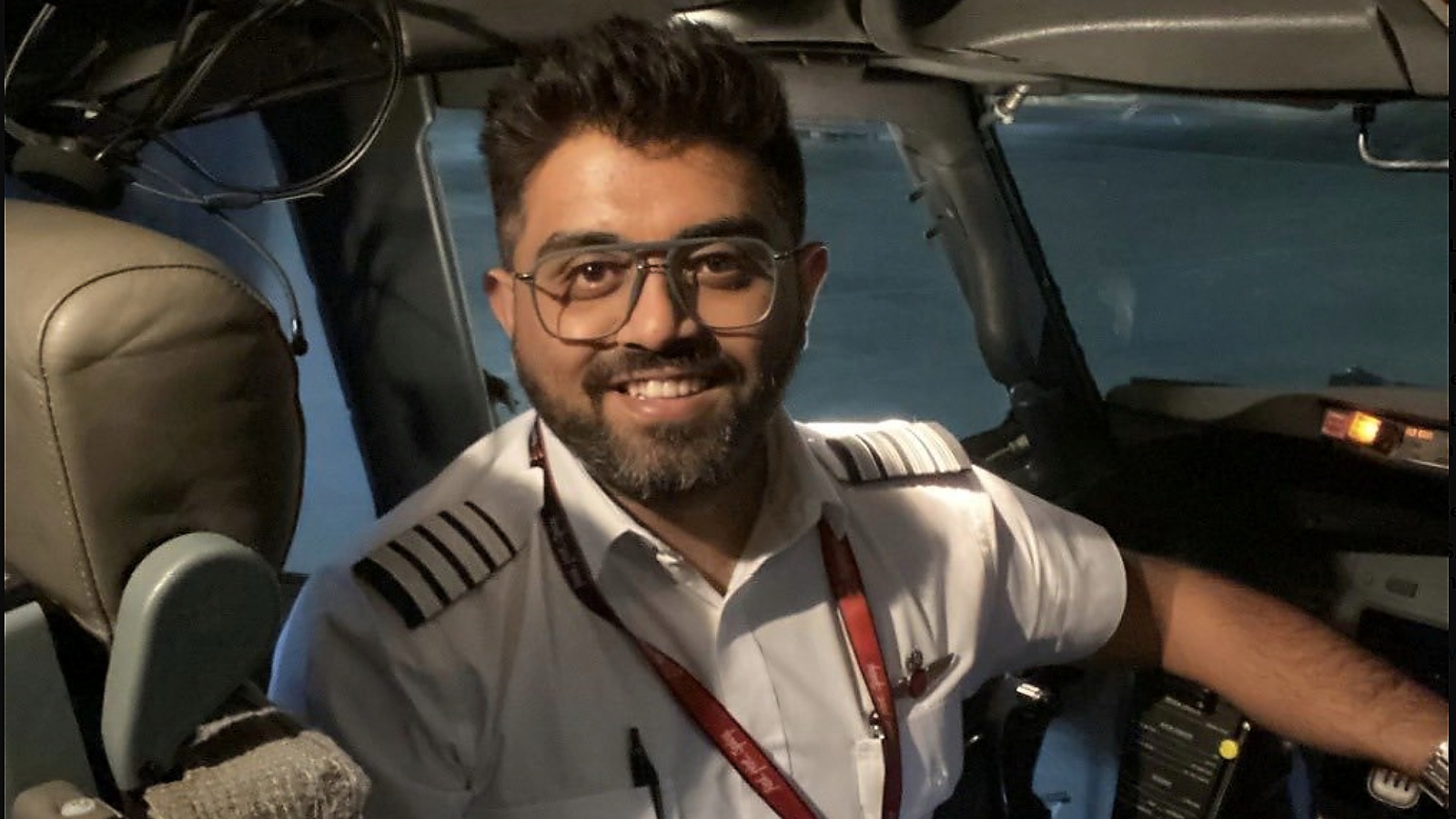
When Captain Smit Machchhar was physically assaulted with a crash axe, the structural integrity of the door became a liability. The automated security design prevented immediate external assistance, as cabin crew members were locked out and unable to input override codes while the system was manipulated from within.
Quantifying Human Factors Under Acute Hypoxic and Kinetic Stress
The physiological response to sudden kinetic trauma inside a confined cockpit environment introduces severe performance degradation. Cognitive bandwidth is partitioned between managing the physical assault, maintaining aircraft stability, and attempting structural or electronic overrides.
Decision-making under these conditions degrades according to well-documented stress-response curves. Fine motor skills deteriorate rapidly under adrenaline surges, complicating tasks such as manipulating small mechanical latches or inputting emergency override sequences. The survival of the flight depended entirely on brute-force physical persistence—specifically, the capacity of the injured pilot to reach the lower manual egress mechanisms from the floor after sustaining multiple traumatic strikes. This highlights a critical design flaw: system survivability should not depend on an incapacitated individual executing complex manual interventions against engineered resistance.
Systemic Vulnerabilities in Crew Vetting and Real-Time Monitoring
The mitigation of insider threats cannot rely solely on physical architecture; it requires continuous evaluation of psychological and operational risk factors. Current aviation industry frameworks evaluate pilot reliability primarily at the hiring phase and through periodic medical renewals. These lagging indicators fail to capture acute psychological decompensation, radicalization, or behavioral shifts occurring between evaluation cycles.
- The Single-Point-of-Failure Crew Model: Operating with only two pilots in the cockpit creates a binary vulnerability matrix. If one actor becomes compromised, the remaining crew member faces an immediate 1:1 power asymmetry.
- Absence of Real-Time Behavioral Telemetry: Flight decks lack passive monitoring systems capable of detecting anomalous operational patterns or sudden cockpit conflicts before physical violence manifests.
- Procedural Rigidities: Standard operating procedures often dictate strict protocol for opening secure doors, which can be weaponized by an attacker to keep auxiliary flight crew members or air marshals at bay.
Structural Redesign for Post-Insider Threat Operations
Mitigating future anomalies of this scale requires a comprehensive overhaul of flight deck security philosophy. The industry must transition from static perimeter defense to dynamic, multi-factor internal verification.
Mandating a protocol where a cabin crew member must occupy the flight deck whenever one pilot steps away is a baseline procedural adjustment, but it remains insufficient for dual-presence scenarios. Long-term structural resilience demands remote override capabilities managed via secure satellite data links from ground operations or multi-authorization physical bypass systems that cannot be locked out by a single occupant. Furthermore, psychological monitoring and predictive behavioral analytics must be integrated into ongoing flight crew management to identify risk signatures before an individual reaches operational execution.
Flydubai captain on the cockpit battle to save his plane
This video provides direct context regarding the operational environment and the sequence of events inside the cockpit during the incident on Flight FZ1073.