The kitchen floor always tells the truth. Mine, on a Tuesday morning last month, spoke in the language of a translucent plastic jug with three drops of dish soap clinging desperately to the bottom, and a row of empty cereal boxes lined up like cardboard gravestones. There is a specific kind of quiet panic that sets in when you realize your domestic ecosystem is running on fumes. It is not the dramatic panic of a flat tire on a rainy highway. It is smaller. Sharper. It is the sudden, jarring realization that toilet paper has become a luxury item in your own bathroom.
We live in an era where keeping the lights on and the pantry stocked feels like an extreme sport. Every trip to the neighborhood grocery store resembles a psychological thriller where the bill at the register arrives with a plot twist designed to break your spirit. Prices climb. Packages shrink. The cereal box looks the same from the front, but when you open it, the contents slump halfway down, as if the oats themselves are exhausted by inflation. If you found value in this post, you might want to check out: this related article.
Consider what happens next in millions of households across the country. You pull up your banking app. You look at the balance. You do the mental math—mortgage, utilities, gas, insurance—and you stare at the remaining digital crumbs allocated for existence. Then you look at the laundry detergent. The paper towels. The trash bags that tear if you look at them too hard. You need them. You cannot negotiate with dirty dishes or overflowing bins.
Enter the quiet digital migration happening right now. For another angle on this development, check out the recent coverage from Glamour.
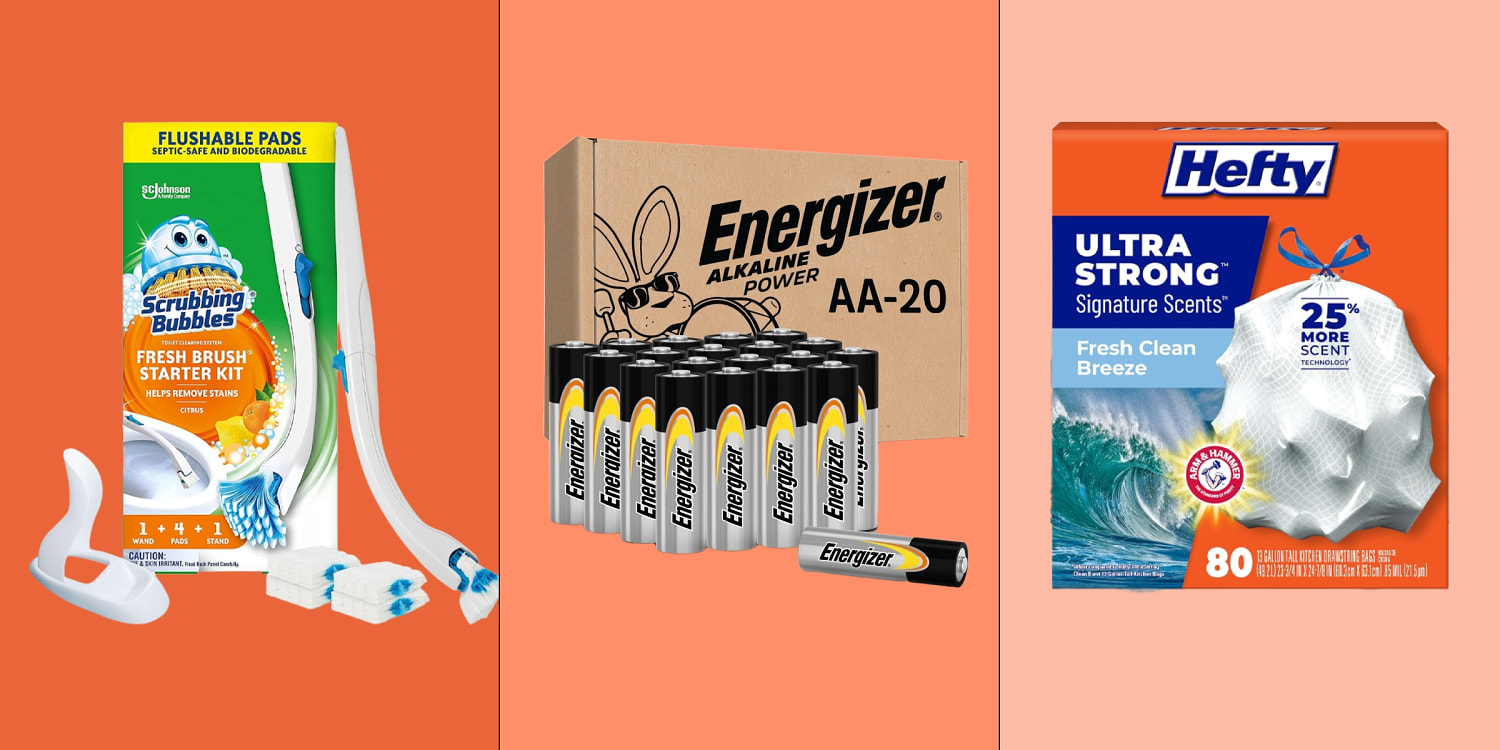
While the rest of the world argues over headlines, millions of people are quietly opening browser tabs for Amazon and Walmart this weekend, hunting for a truce. Household essentials are up to fifty percent off, and for a few days, the math works in our favor. But numbers on a screen do not capture the actual weight of the moment. To understand why a half-price bottle of laundry soap matters, you have to understand the modern American kitchen table.
Meet Elena. She is thirty-four, works fifty hours a week as a medical billing specialist, and has two children who treat peanut butter like it's currency. Elena does not care about retail analytics or supply chain logistics. She cares about whether she can buy a bulk pack of paper towels without having to choose between them and a prescription refill. When she sees a major retailer slashing prices on everyday goods by half, she does not see a marketing campaign. She sees breathing room. She sees permission to exhale.
We have romanticized minimalism for years, telling ourselves that less is more, that buying things is a moral failing, that we should all be grinding our own wheat and living in serene, uncluttered cabins. But true household essentials are not lifestyle accessories. They are the invisible scaffolding of human dignity. Clean clothes help a child walk into a classroom without shrinking away from their peers. A full pantry stops the stomach from churning with quiet dread at five o'prime. A functioning home is the baseline from which we try to build anything better.
Right now, the retail giants are locked in a quiet war for wallet share. Walmart, with its sprawling asphalt footprints and deep-rooted supply chains, is slashing prices to keep the carts rolling through the doors. Amazon, algorithmic and ever-present on our doorsteps, matches and counters with digital yellow discount flags. For the consumer caught in the crossfire, this corporate tug-of-war is a rare stroke of accidental grace.
Take the statistics out of the boardroom and put them in the laundry room. A fifty percent discount on dish soap, trash bags, and cleaning supplies is not just a fifty percent savings. It is three extra hours of wages returned to someone who traded their time for paper currency. It is the difference between sliding further into credit card debt for routine survival and staying just barely afloat above the rising tide.
Yet, there is a trap here, too. The digital marketplace is designed to exploit our fatigue. When you are tired, overwhelmed, and desperate for a bargain, algorithms know how to dangle temptation. You log on to buy toilet paper and suddenly find yourself rationalizing an air fryer, a subscription box of artisanal coffee, and a weighted blanket you saw on social media. The discount becomes a siren song, luring you onto the rocks of impulse consumption.
Discipline in the age of e-commerce is an act of quiet rebellion.
To navigate these weekend sales without falling into the trap, you have to operate like a surgeon. Make your list before you touch the screen. Stare at the empty pantry. Check the bathroom cabinet. Know your baseline prices so you can spot a genuine markdown from a clever psychological illusion. If the discount does not apply to something that keeps your house running or your family fed, close the tab. Walk away. The internet will still be there tomorrow, flashing its neon promises.
There is profound poetry in the mundane. We spend so much of our lives chasing grand milestones—promotions, vacations, corner offices—while the actual texture of our days is determined by how well we manage the ordinary. It is found in the scent of bleach wiping down a sticky counter after dinner. It is the steady hum of a washing machine spinning at ten o'clock at night because tomorrow is Monday and clean socks are non-negotiable.
When you click "buy" on that discounted bulk pack of soap this weekend, remember what you are actually doing. You are not just saving a few dollars. You are buying yourself a buffer against the friction of modern life. You are purchasing a little bit of peace of mind, delivered in a brown cardboard box to your front porch.
And sometimes, in a world that feels increasingly heavy, a cardboard box full of essentials is the closest thing we get to a miracle.