You drop a few domesticated predators onto a remote volcanic rock in the middle of the Atlantic Ocean, figuring they will handle the local rodent problem. It sounds like a practical fix. It turns out to be an ecological catastrophe that alters an entire ecosystem for two centuries.
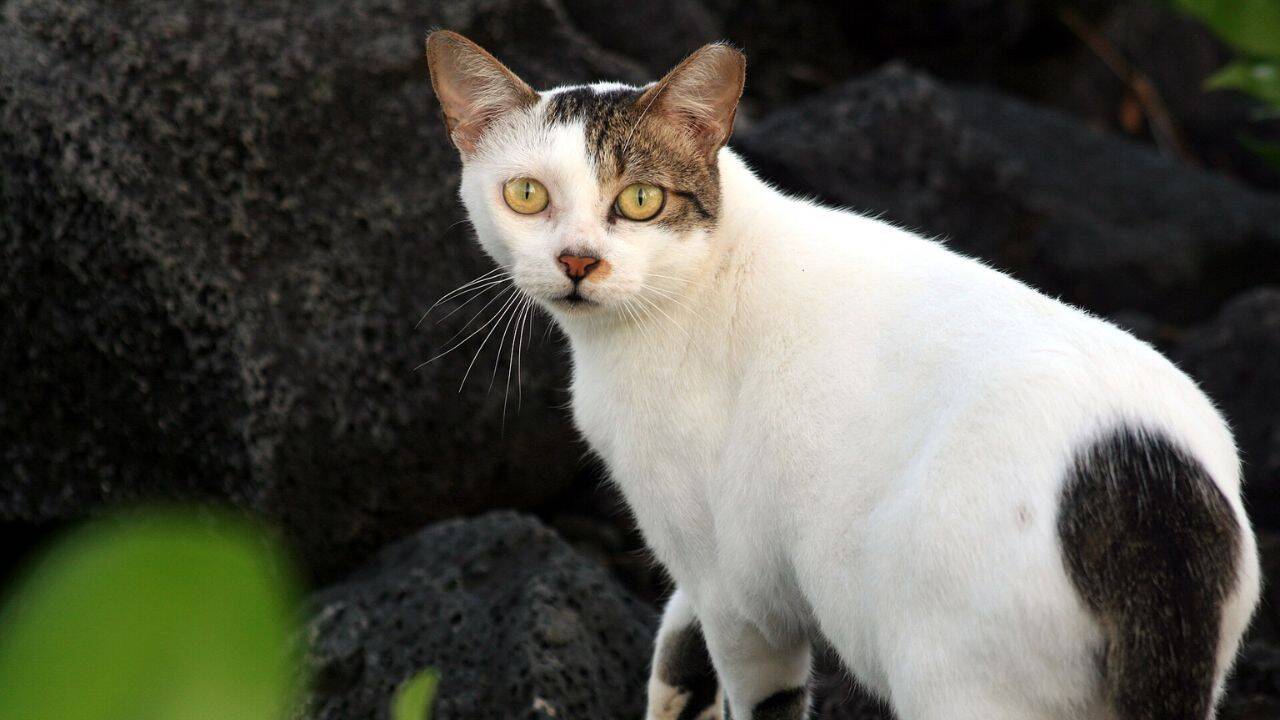
In 1815, British naval authorities established a garrison on Ascension Island, a barren scrap of land sitting roughly halfway between Africa and South America. To keep the rat population in check around their new settlement, they brought cats. Those cats didn't just catch rats. They discovered a massive, defenseless buffet of millions of nesting seabirds that had evolved without terrestrial predators. For a deeper dive into this area, we suggest: this related article.
It was a total bloodbath.
The Quiet Destruction Of A Seabird Paradise
Before human arrival, Ascension Island served as one of the most critical breeding grounds for seabirds in the entire Atlantic basin. Millions of sooty terns, masked boobies, and petrels crowded the volcanic ash slopes. They didn't need to fear land-based hunters because no mammals existed on the island. Their nests sat right on the ground. Their chicks hatched completely defenseless against a fast, agile predator. For further context on this development, comprehensive coverage is available on The Spruce.
When the cats arrived, the dynamic shifted overnight. The birds didn't fly away to safer islands. They sat there and got slaughtered.
Biologists studying the historical record note that the carnage wasn't just about food. Cats hunt for sport. They killed thousands of birds they never ate. Within a few decades, the coastal lowlands of Ascension went completely silent. The massive seabird colonies that once darkened the skies vanished from the lower elevations, pushed up onto narrow, dangerous cliff ledges where cats couldn't easily climb.
The Ripple Effect Across Land And Sea
People often forget that land and ocean ecosystems are deeply connected. When you remove millions of seabirds from an island, you break a vital nutrient cycle.
Seabirds eat fish offshore and return to land to roost. Their guano drops tons of marine nitrogen and phosphorus onto the soil. This nutrient rain feeds the local plant life and fuels nearshore marine habitats like coral reefs and kelp beds.
By wiping out the birds on Ascension Island, the cats effectively starved the local landscape. The soil lost its fertility. Plant growth plummeted. Without realizing it, the British garrison didn't just introduce a pest controller; they completely cut off the natural fertilizer supply that kept the island's ecosystem functioning.
This is the hidden danger of ecological intervention. We think we are solving a localized issue, like a mouse in a pantry. We actually pull a thread that unravels the whole sweater.
Why We Keep Making The Same Mistake
The story of Ascension Island isn't an isolated historical quirk. It's a textbook example of biological invasions that humans have repeated across the globe for centuries. From stoats in New Zealand to cane toads in Australia, the pattern never changes. We rely on short-term thinking and zero ecological foresight.
When the British put those cats on Ascension in 1815, the science of ecology didn't exist yet. They didn't understand predator-prey dynamics or island biogeography. They just wanted dead rats.
What's our excuse today? We still introduce non-native species to manage pests, fix agricultural problems, or even just for ornamental landscaping, ignoring the obvious lessons of the past.
The Brutal Reality Of Eradication Efforts
Fixing a mistake like this takes decades of painful, expensive work. By the late twentieth century, the cat population on Ascension had exploded into the thousands, joined by non-native sheep, goats, donkeys, and rats.
In 2002, conservationists launched the Ascension Island Restoration Project. It cost millions of dollars and required a massive, coordinated effort to remove every single feral cat from the island.
It was controversial. Animal welfare groups pushed back against the culling of cats, setting up a fierce debate between protecting individual invasive animals and restoring an entire native ecosystem. But the science was clear. If the cats stayed, the endemic species would go extinct.
By 2004, the island was declared officially free of cats.
What Recovery Actually Looks Like
Nature is remarkably resilient if you remove the boot from its neck. Almost immediately after the cats were gone, the seabirds started coming back.
Sooty terns returned to the low-elevation grounds they had abandoned nearly two hundred years prior. Today, millions of birds wheel across the skies of Ascension once again. The guano is returning. The soil is healing. Marine nutrients are flowing back into the surrounding waters, boosting local fish populations.
You can look at Ascension Island and see a depressing monument to human carelessness. Or you can look at it as a blueprint for biological recovery.
If you ever find yourself tempted to introduce an invasive species to fix a natural imbalance, remember the British garrison in 1815. Leave nature alone, or be prepared to spend the next two centuries cleaning up the mess.