The numbers are in, and they're bleak. August didn't just feel hot; it shattered historical benchmarks, pushing global temperatures to 1.65°C above pre-industrial levels. We're hurtling past the critical thresholds scientists warned about for decades, yet everyday life rolls on like nothing's happening. You turn up the AC, buy another portable fan, and pretend the scorched lawn outside is just a bad summer. But this isn't normal weather variation. This is the new baseline, and ignoring it won't cool the planet down.
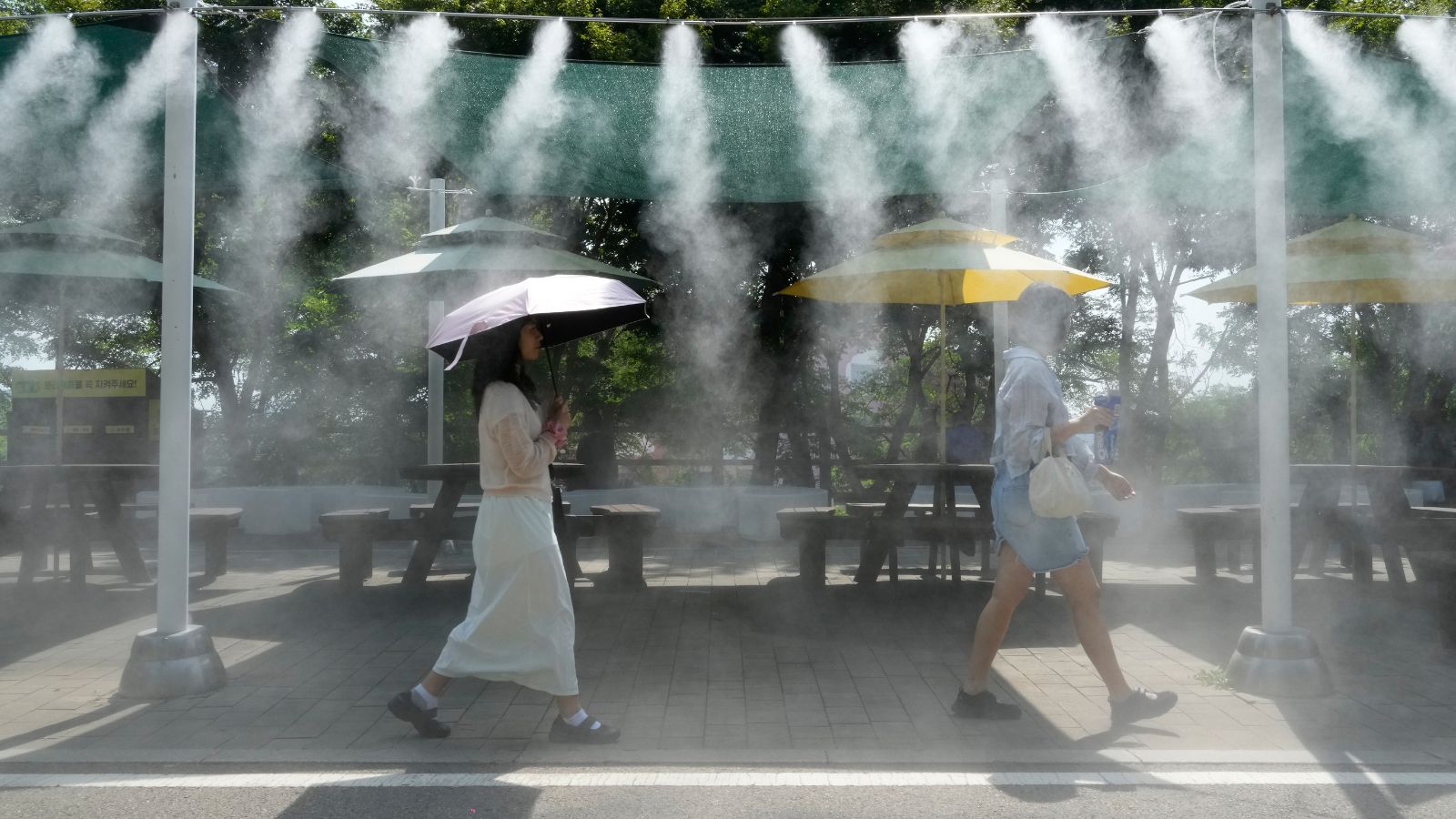
I’ve watched summers transform over the last ten years from pleasant seasons into grueling endurance tests. When you walk outside and the air hits you like an open oven door at nine in the morning, you realize the climate data isn't just abstract academic theory. It’s your utility bill doubling. It’s local water restrictions hitting your neighborhood. It’s agricultural yields shrinking while grocery prices climb.
The Reality Behind the 1.65 Degree Threshold
Why does 1.65°C matter so much? Scientists from the European Union’s Copernicus Climate Change Service and the World Meteorological Organization track these deviations against the 1850-1900 baseline. That period represents a time before heavy fossil fuel combustion fundamentally altered atmospheric chemistry.
We set a dangerous climate record, and we keep breaking it with alarming regularity.
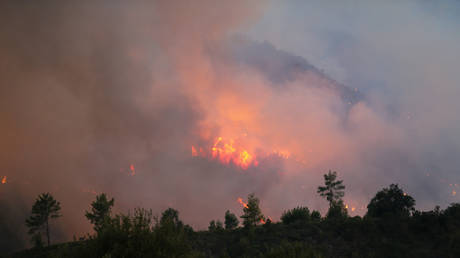
When global temperature anomalies consistently hover above 1.5°C, entire natural systems begin to unravel. Coral reefs experience catastrophic bleaching events. Permafrost melts faster, releasing massive stores of methane. Wildfire seasons stretch across ten or twelve months instead of a few weeks.
Most people don't realize that warming isn't distributed evenly. While the global average sits at 1.65°C above baseline for the month, land temperatures and polar regions are warming at double or triple that speed. The Arctic is rewriting geography textbooks in real-time. Glaciers aren't just receding; they're disappearing.
Why Standard Climate Conversations Fail
We talk about climate change all wrong. We treat it like a distant policy debate for politicians to argue about in air-conditioned convention centers. That approach is failing us.
Corporations love to shift the burden entirely onto consumers. They tell you to recycle your plastic coffee pods while private jets burn thousands of gallons of fuel for twenty-minute flights. You feel guilty about your commute while industrial emissions dwarf individual carbon footprints by orders of magnitude.
We also fall into the trap of short-term memory loss. A single cool week in autumn makes people forget the hellscape of July and August. We normalize extremes way too fast. Record-breaking heatwaves become "just another hot summer," smoothing over catastrophes that demand immediate structural transformation.
What You Can Actually Do Right Now
Sitting around waiting for world governments to magically fix the grid is a waste of time. You need a practical, localized survival and mitigation strategy.
First, audit your home energy usage with brutal honesty. Old insulation, inefficient HVAC units, and leaky windows cost you money while pumping unnecessary heat into the atmosphere. Upgrading your home infrastructure isn't just eco-friendly; it's financial self-defense against skyrocketing energy costs.
Second, rethink your immediate environment. Concrete jungles trap heat through the urban heat island effect. If you have outdoor space, rip up the unnecessary lawn and plant shade trees or native vegetation that requires zero irrigation. Shading your eastern and western windows can drop indoor temperatures significantly without running up your electric bill.
Third, look at your local community politics. Attend zoning board meetings and demand better urban planning. Cities need more green spaces, mandatory cool-roof ordinances, and aggressive expansions of public transit. If your local leaders treat shade trees as an afterthought, vote them out.
The heat records are going to keep falling until we fundamentally change how we build, travel, and consume energy. Stop waiting for permission to take this seriously. Insulate your home, protect your local ecosystem, and demand accountability from the people running the show.