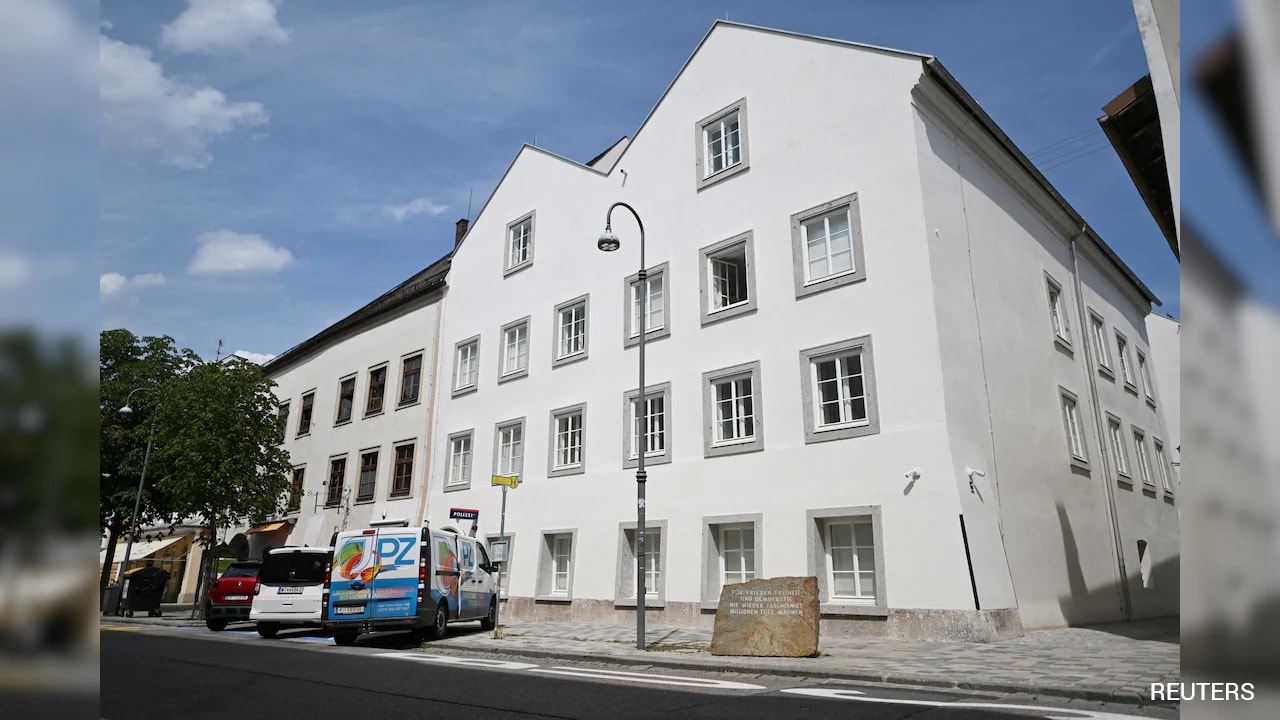
Austria officially opened a new police station in Braunau am Inn at the exact location where Adolf Hitler was born in 1889. It cost around 20 million euros ($22.8 million) and took years of legal battles, but officers have moved into the newly renovated building.
The plan sounds strange on paper. Turning the birthplace of history's most infamous dictator into a hub for law enforcement seems like a bizarre administrative decision. But Austrian officials aren't doing this to honor the past. They're doing it to erase a toxic shrine.
For decades, the address at Salzburger Vorstadt 15 has attracted far-right extremists and neo-Nazis. People showed up to take pictures, pose for illegal Hitler salutes, and lay flowers. By stationing law enforcement directly inside the building, the state hopes to strip away the site's ideological pull. If you show up to pay homage to a genocidal tyrant, you're now doing it in front of armed police officers.
The Decades of Legal Mess Behind the Property
You might wonder why it took until 2026 to figure out what to do with a building Hitler only lived in for a few weeks as an infant. The answer comes down to property rights and legal gridlock.
Austria's Interior Ministry actually rented the building starting back in 1972 to maintain control over who used it. Over the years, the space hosted various local organizations, including a workshop and care center for people with disabilities. That center moved out in 2011, and the building sat vacant for years.
The private owner refused to let the government renovate the property or purchase it outright. She turned down multiple purchase offers, leaving the town stuck with an empty, crumbling monument that constantly drew unwanted attention.
The stalemate ended in 2017 when Austria's highest court ruled that the government could expropriate the property. The state took ownership, paid compensation, and began planning its total transformation.
Architectural Neutralization and The Cleanup Process
Demolishing the building completely was floated early on, but officials scrapped that idea. Historic preservation laws and fears that a vacant lot would become an even easier gathering point for neo-Nazis shut the demolition debate down.
Instead, architects opted for "neutralization." They redesigned the entire facade so it wouldn't match historical photographs.
- The original ochre-yellow paint was stripped and replaced with bright white paint.
- Prominent arched windows were swapped out for simple, modern rectangular shapes.
- The roofline was extended upward to alter the building's outer profile.
- All construction debris was disposed of at secret locations to prevent people from stealing bricks as souvenirs.
Inside, the structure houses district police officers and a security academy branch focused on human rights training. The only text on the front wall now is a simple sign reading "Police".
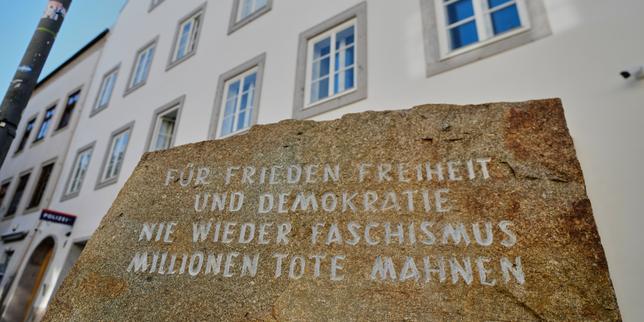
Outside, a memorial stone brought from the Mauthausen concentration camp remains on the sidewalk. It bears the inscription: "For freedom, democracy and liberty. Never again fascism. Millions of dead remind us." Noticeably, Hitler's name isn't written anywhere on it.
Why Critics Are Still Upset About the Move
Not everyone in Austria supports the project. Holocaust survivor groups and local historians argue that turning the site into a police station sweeps uncomfortable history under the rug.
The Mauthausen Committee argued that the redesign works too hard to sanitize history rather than confront it. Historians pointed out that erasing the visual identity of the house doesn't stop people from knowing what happened there. Some wanted the building turned into an educational center focused on human rights or an exhibition honoring those who saved Jews during the Holocaust.
Local officials countered that making it a public museum or educational space would still turn it into an active tourist attraction, maintaining the very draw they were trying to eliminate. Having civil servants work there full-time closes off public access while ensuring constant state presence.
What Happens Next
If you plan to visit Braunau am Inn to see the site, expect a standard working government facility rather than a tourist destination.
- Don't expect historical displays or access to the interior; the building operates strictly as a active police headquarters and training facility.
- Be aware that Austrian law strictly bans Nazi symbols, gestures, and public glorification of the regime, with heavy legal penalties for violations.
- Respect the memorial stone on the pavement, which serves as the sole dedicated historical marker at the site.