Hong Kong's legal system moves slowly, but sometimes it exposes a raw, uncomfortable truth about how the city treats its most vulnerable workers.
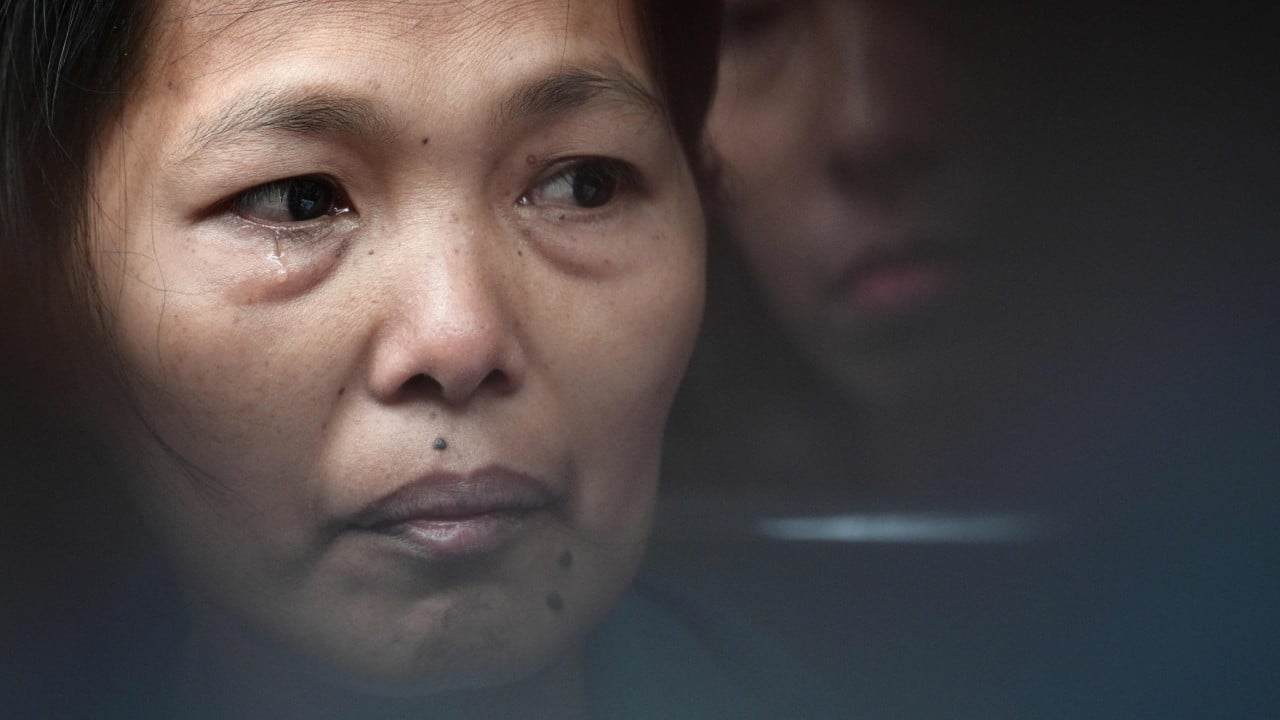
On June 25, 2026, a District Court hearing met to assess damages for a case that began seven years ago. It involves Baby Jane Teodoro Allas, a Filipino domestic helper who was diagnosed with stage-three cervical cancer in early 2019. Days after her diagnosis, her employer handed her a termination letter. The letter explicitly cited her illness as a reason for firing her.
Sacking a worker because they have cancer isn't just cruel; it's illegal under Hong Kong’s Disability Discrimination Ordinance. But for foreign domestic helpers, a termination letter means much more than losing a job. It means an instant eviction from their place of residence and the immediate loss of access to the public healthcare system.
Baby Jane Allas beat the cancer thanks to a massive crowdfunding campaign led by community advocates, but she died in 2021 from kidney infection complications. Five years after her death, the Equal Opportunities Commission is still fighting her employer in court, seeking HK$250,000 in compensation for her estate.
This case isn't an isolated incident. It reveals structural flaws in Hong Kong's labor laws that leave nearly 370,000 foreign domestic helpers exposed to severe exploitation.
The Compounding Crises of Sudden Termination
When an average resident loses a job, it's a financial blow. When a foreign domestic helper is sacked, it's a humanitarian emergency. The rules governing migrant workers in Hong Kong create a trap when serious illness strikes.
- Loss of Public Healthcare: Foreign domestic helpers qualify for heavily subsidized public medical care in Hong Kong only while holding a valid employment visa. The moment an employer terminates the contract, that status vanishes. Hospital fees skyrocket from a nominal HK$180 per day to non-resident rates of several thousand dollars.
- The Two-Week Visa Race: Under the notorious "two-week rule," a terminated helper must find a new employer and secure a visa approval, or leave the city within 14 days. If you are undergoing chemotherapy, finding a new employer who will hire you and wait weeks for immigration paperwork is practically impossible.
- The Live-In Mandate: By law, domestic workers must live with their employers. Being fired means being made homeless on the exact same day.
In Baby Jane's case, she was left without food support or a place to sleep until an American resident, Jessica Cutrera—who employed Baby Jane's sister—took her in and helped coordinate her medical care.
During the June 2026 hearing, Cutrera and Baby Jane’s sister, Mary Ann Allas Pereira, detailed the severe emotional wreckage caused by the dismissal. Baby Jane spent her remaining time in Hong Kong crying, isolating herself, and facing constant panic over how she would feed her five children back home.
A Pattern of Complete Employer Immunity
The employer at the center of this battle, Jamil Bushra, has systematically ignored the entire legal process. He refused to show up to the District Court proceedings. He failed to pay a separate, earlier Labor Tribunal award of HK$30,000 meant to cover sick leave and basic wages in lieu of notice.
This strategy of total evasion works surprisingly well because Hong Kong rarely enforces penalties against abusive employers.
Data from the Labour Department shows that while dozens of cases are logged involving the illegal termination of domestic helpers on paid sick leave, criminal prosecutions are virtually nonexistent. Advocacy groups like the Hong Kong Federation of Asian Domestic Workers Unions point out that employers routinely count on the fact that workers cannot afford to stay in Hong Kong to fight prolonged legal battles.
If a helper cannot secure a special visitor visa to stay for court proceedings—which forbids them from working to earn an income—they have to drop the case and fly home. The employer gets away with it.
What Needs to Change Immediately
The fact that Baby Jane's family has had to wait half a decade after her death just to get an assessment on a straightforward discrimination case is damning.
If Hong Kong wants to protect its reputation as a safe, international city, it needs to address these legal loopholes. Expecting charity campaigns and individual good samaritans to step in where the law fails is not a sustainable policy.
- De-link Healthcare from Active Contracts: Migrant workers who develop critical illnesses like cancer or severe cardiovascular disease during their employment must have their access to public healthcare preserved throughout their treatment, regardless of contract status.
- Abolish the Live-In Mandate for Terminated Sick Workers: The government needs dedicated emergency housing infrastructure for sick, terminated migrant workers who are waiting out labor disputes.
- Enforce Criminal Penalties for Evasion: When an employer ignores a Labor Tribunal order or fails to appear for disability discrimination hearings, the court should possess immediate powers to freeze assets or issue arrest warrants for contempt.
The District Court judge has adjourned Baby Jane’s case, promising a final decision on the HK$250,000 damages by September 25, 2026. Win or lose, the cash will go to her surviving children in the Philippines. It's a small bit of justice, but it arrives far too late to fix a system that breaks down the moment a worker gets sick.