Foreign policy traditionalists love a pilgrimage. Tell them a prime minister is newly installed, facing domestic pressure, and dealing with systemic municipal-turned-national friction, and their immediate reflex is absolute. Get on a plane. Fly to Manhattan. Shake hands under the fluorescent lights of the United Nations General Assembly. Demand an audience with global heavyweights.
It is the laziest template in modern statecraft.
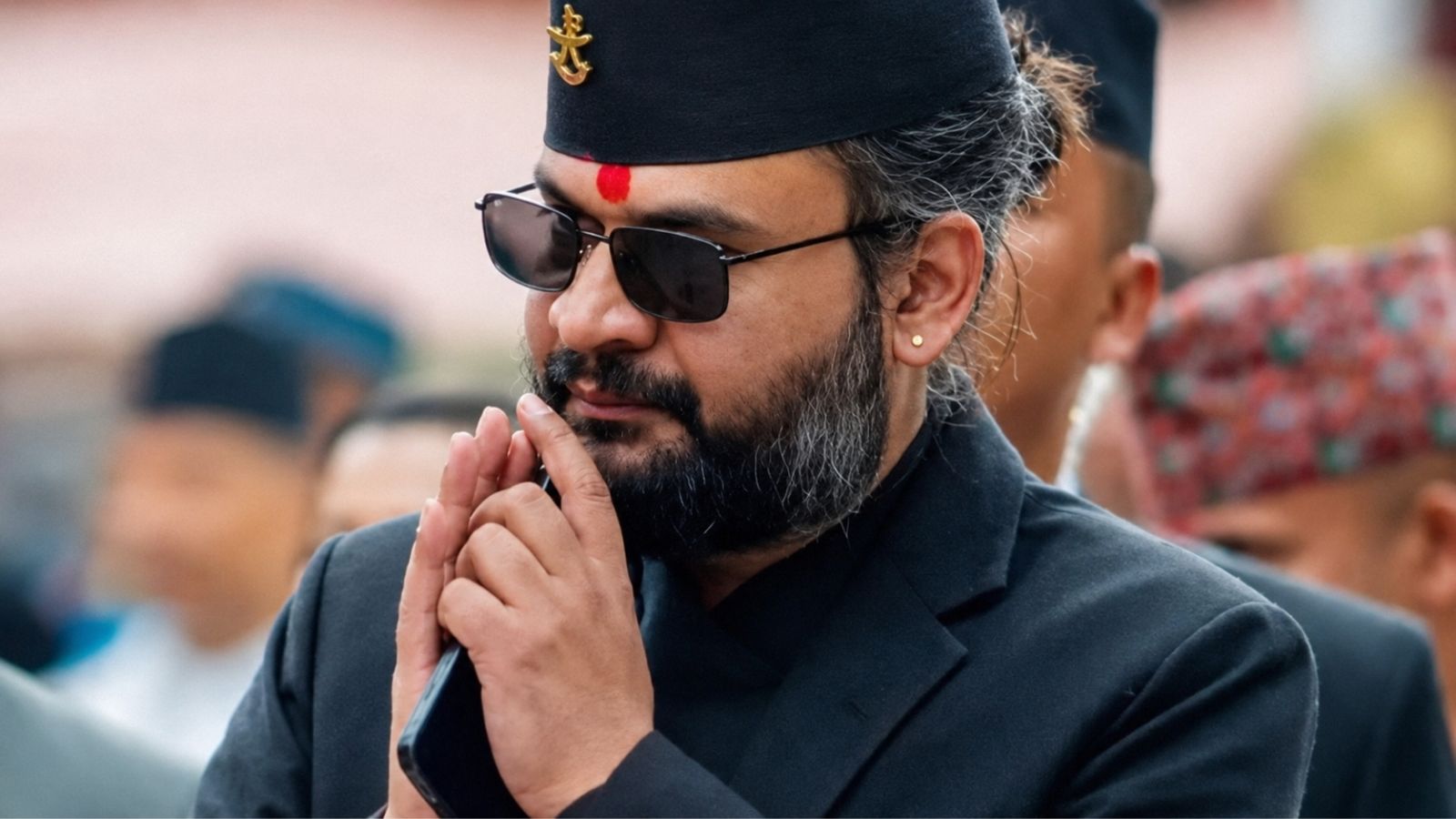
The consensus argument insists that Prime Minister Balendra Shah must pack his bags for New York to seek international backing, signal diplomatic seriousness, and prove that a structural engineer-turned-rapper-turned-prime-minister can play ball with the old guard.
That advice is worse than useless. It is actively destructive to the exact domestic mandate that swept Balen into Singha Durbar.
Let us dismantle the myth that global photo-ops equal sovereign power.
The Trap Of The Diplomatic Circuit
When leaders of fragile or transitioning states fly to international summits under domestic duress, they rarely project strength. They project anxiety.
The rationale behind pushing Balen toward the United Nations relies on a tired premise: that legitimacy comes from Western or multilateral applause rather than domestic structural overhaul. I have watched successive administrations burn millions of dollars and countless hours chasing validation in foreign capitals while infrastructure rotted at home.
Balen did not rise to power by playing the traditional Kathmandu consensus game. He won because he bulldozed illegal encroachments, forced accountability into municipal bureaucracy, and treated empty political pageantry with undisguised contempt. Trading that disruptive authenticity for a five-minute slot behind a podium in New York—where world leaders scroll through their phones while minor delegations read translated talking points—is a downgrade of epic proportions.
What The Pundits Get Wrong About Foreign Aid And Support
The conventional press corps treats international summits like venture capital pitch meetings. The narrative goes that if Balen steps up to the global microphone to talk about climate vulnerabilities or youth-led governance, checks will clear, foreign direct investment will flood the Himalayas, and geopolitical superpowers will suddenly respect Nepal's sovereignty.
This is a dangerous fairy tale.
Geopolitics is transactional, not charitable. Major powers do not alter their regional calculus because a charismatic leader gives a eloquent speech on climate adaptation. They respond to domestic stability, logistical reliability, and hard borders.
Imagine a scenario where Balen spends a week navigating airport customs, jet lag, and superficial diplomatic cocktail parties while Kathmandu deals with pressing monsoon devastation, administrative resistance, and economic restructuring. What does the nation gain? A handful of handshakes captured by state media, accompanied by zero structural changes to the price of fuel or the speed of bureaucratic approvals.
The real work of a reformer is unglamorous. It happens in windowless ministry offices, on unpaved roads, and across friction-heavy municipal tables. Every hour a prime minister spends flying across the globe to beg for external relevance is an hour stolen from the hard internal labor of state-building.
Redefining Statecraft For The Digital Age
Old-world diplomats measure power in frequent flyer miles. Modern leaders measure power in domestic execution speed.
Nepal does not need a tourist in chief. It needs a CEO who understands that foreign policy begins at the customhouse and ends at the border checkpoint. If foreign actors want to engage with Kathmandu, they can send their ambassadors down to the valley. The asymmetric advantage of a populist reformer is the ability to flip the script on archaic diplomatic protocols.
When you command an authentic mandate forged from a youth uprising, your primary audience is not the diplomatic corps in Turtle Bay. Your audience is the twenty-something entrepreneur trying to register a business without paying a bribe, the farmer waiting for flood mitigation, and the citizen who finally believes the system can work.
Skipping international junkets sends a loud, unmistakable signal. It tells the entrenched political caste and foreign observers alike that domestic priorities supersede diplomatic vanity.
Stop treating global validation as a prerequisite for national survival. Real power does not require a passport.
Who is Balen Shah, the Man Gen Z Wants as Nepal's Next PM?
This video provides background on the rise of Balendra Shah and the youth movement that propelled him into national leadership.