Skyscrapers casting long shadows over narrow strips of sand aren't usually political battlegrounds. Yet, along the southern coast of Brazil, one particular city has transformed into a glowing neon symbol of modern conservatism. Balneario Camboriu is a place where futuristic real estate booms clash directly with deep ideological loyalties. If you want to understand the heartbeat of the Brazilian right wing today, you cannot ignore this coastal playground.
For years, travelers knew this destination as a bustling beach resort filled with high-rise apartments and vibrant nightlife. Lately, though, it has earned a different reputation entirely. Locals and political analysts alike refer to it as a showcase for the bolsonarista dream. It represents a specific vision of economic ambition, conservative values, and staunch nationalism that resonated powerfully across the nation during Jair Bolsonaro's presidency. Walking down the beachfront avenues, you notice the atmosphere immediately. It feels wealthy, orderly, and fiercely protective of its political identity. You might also find this related article useful: Inside the Global Talent Squeeze Driving India and IOM Talks.
The Architectural Rise of a Conservative Hub
You cannot talk about Balneario Camboriu without looking at its skyline. Over the past decade, construction cranes have dominated the view. Developers have pushed building heights to dizzying extremes, turning the local shoreline into the Dubai of South America. Luxury towers pierce the clouds, drawing wealthy investors from Sao Paulo and beyond.
This hyper-development aligns neatly with the economic philosophy championed by the former administration. Proponents view the boom as proof that deregulation and aggressive real estate investment create prosperity. Cranes symbolize progress here. But critics see a stark inequality hiding behind the glass facades, arguing that the rapid modernization pushes out working-class residents and strains local infrastructure. This tension sits at the very core of the city's modern identity. As extensively documented in latest articles by NBC News, the implications are widespread.
Political Loyalty in the Streets
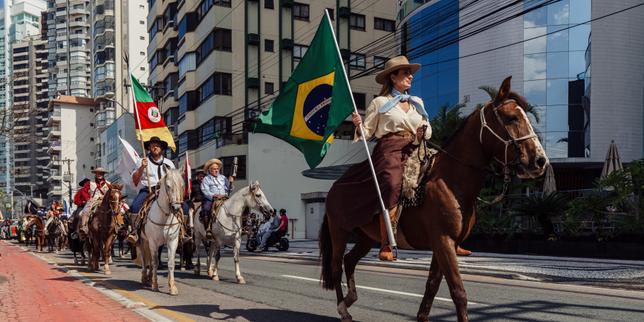
Electoral maps tell a very clear story about this region. During recent presidential races, Balneario Camboriu delivered overwhelming margins for conservative candidates. Support for Bolsonaro isn't just a quiet preference here; it functions almost like a cultural identity. Flags wave from balconies, and political merchandise lines local shops.
Politicians frequently visit the city to shore up their base, treating the municipality as a reliable barometer for right-wing sentiment in Santa Catarina state. Local leadership has leaned into this reputation, enacting policies focused on strict public security, urban cleanliness, and business-friendly regulations. Residents often express a deep pride in the city's safety and order, contrasting it sharply with the crime rates plaguing other parts of the country.
Beyond the Postcard Image
Scratch beneath the surface of gleaming skyscrapers and political rallies, and you find a community grappling with the realities of rapid growth. Traffic congestion chokes the main thoroughfares during peak tourist seasons. Environmentalists raise valid concerns about the widening of the local beach and the strain high-rise shadows place on marine ecosystems.
Furthermore, the cost of living has skyrocketed. Families who lived in the area for generations now find themselves priced out by the influx of wealthy buyers seeking a secure conservative haven by the sea. This economic squeeze creates a complicated local dynamic. People love the economic energy, but they worry about losing the community charm that originally drew them there.
What This Means for Brazil's Future
Balneario Camboriu offers a glimpse into how regional identities solidify around political figures and ideologies. It proves that political movements in Brazil extend far beyond Brasília. They manifest in urban planning, real estate trends, and everyday cultural markers. As the national political landscape continues to shift, this coastal city will undoubtedly remain a crucial laboratory for conservative politics in South America. Watch what happens here next, because it usually signals where a large portion of the Brazilian electorate is heading.