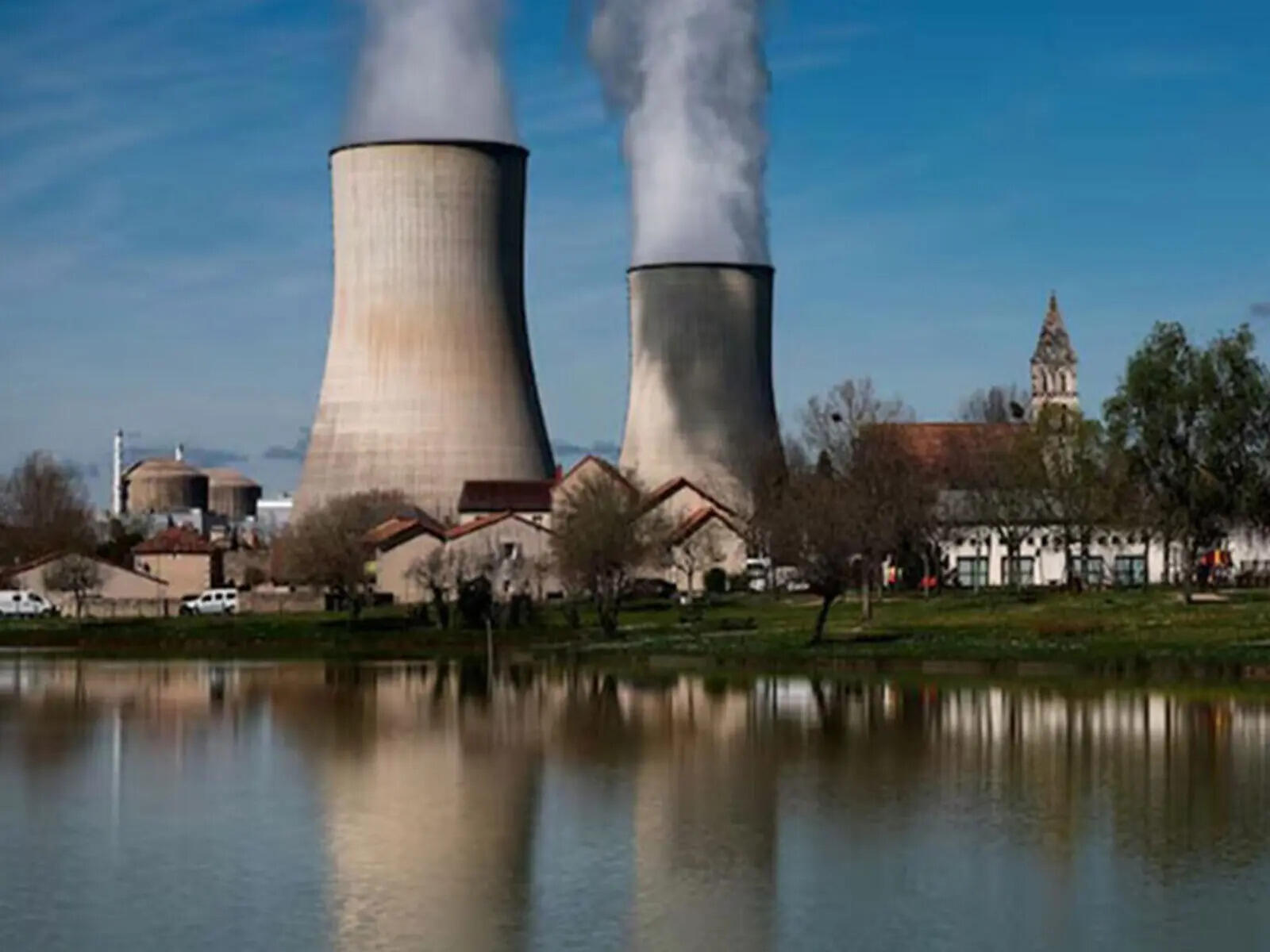
Bangladesh just took its most significant step toward energy independence since the 1971 liberation war. On April 28, 2026, the Rooppur Nuclear Power Plant officially began loading its first batch of nuclear fuel into Unit-1. While the headlines make it sound like just another technical milestone, the reality is much more visceral. We’re talking about 163 fuel assemblies being lowered into the heart of a VVER-1200 reactor, a process that effectively transitions Bangladesh from a nation struggling with chronic blackouts to a member of the elite "nuclear club."
I've watched this project face delay after delay—from the COVID-11 global shutdown to the logistical nightmares caused by the Russia-Ukraine conflict and even local political shifts in 2024. Seeing it finally reach this stage feels like a collective exhale for the country’s industrial sector. If you found value in this article, you should read: this related article.
Why the Fuel Loading Stage is the Point of No Return
If you think this is just like gassing up a car, you're mistaken. In the nuclear world, "fuel loading" is the physical moment a construction site becomes a nuclear installation. This isn't just about moving uranium. It's a high-stakes, 45-day operation where every single fuel assembly must be placed with sub-millimeter precision.
Once these 163 assemblies are in place, the reactor enters the "first criticality" phase. That’s when the chain reaction starts and becomes self-sustaining. After that, there's no turning back. The Russian state corporation Rosatom is handling the heavy lifting here, and they’ve confirmed that this unit will start pumping out its first 300 megawatts by August 2026. By January 2027, Unit-1 should be hitting its full 1,200 MW capacity. For another angle on this development, see the recent update from Ars Technica.
The VVER-1200 is Not Your Grandfathers Reactor
A lot of people get nervous when they hear "nuclear," usually because they’re picturing 1970s technology. But what's being installed at Rooppur is the Generation III+ VVER-1200. This is the same tech Russia uses at its Novovoronezh II plant. Honestly, the safety specs are what make this project viable for a densely populated country like Bangladesh.
Passive Safety Systems
The VVER-1200 doesn't just rely on pumps and electricity to keep things cool. It uses passive heat removal systems that work by natural convection. If the power goes out, the physics of gravity and heat take over to cool the core. It’s designed to sit for 72 hours without any human intervention.
The Core Catcher
This is the big one. Underneath the reactor vessel sits a "core catcher"—a massive steel cone filled with "sacrificial material." In the insanely unlikely event of a meltdown, this catcher grabs the molten fuel and stops it from ever touching the ground or leaking into the water table.
Double Containment
The reactor is housed inside two layers of reinforced concrete. The inner layer keeps the radiation in, and the outer layer is strong enough to withstand a direct hit from a large commercial airliner or a massive earthquake. In a region prone to natural disasters, this isn't just a "nice to have" feature; it's the reason the project got licensed in the first place.
Breaking the Fossil Fuel Addiction
Let’s be real: Bangladesh’s reliance on imported coal and gas has been a disaster for the economy. Every time global oil prices spike, our foreign exchange reserves take a hit and the national grid starts failing. Rooppur changes the math entirely.
Once both units are live (Unit-2 is slated for 2027), they’ll provide about 10% to 12% of the country’s total electricity. That’s 2,400 MW of "baseload" power—meaning it doesn't care if the sun is shining or the wind is blowing. It just runs. For a country trying to accelerate industrialization, that kind of reliability is gold.
Experts from the Bangladesh Atomic Energy Commission have already pointed out that nuclear power will likely be cheaper than coal in the long run. We’re moving away from the "pay-as-you-go" volatility of fossil fuels toward a 60-year (potentially 80-year) stable energy source.
Addressing the Russian Elephant in the Room
It’s no secret that this project is heavily tied to Russia. They’re providing 90% of the $12.65 billion funding as a loan. There’s been plenty of chatter about the risks of this dependency, especially with the current geopolitical climate. But the deal has a crucial safety valve: Russia is obligated to take back the spent fuel.
One of the biggest headaches for any new nuclear nation is "what do we do with the waste?" By shipping the spent fuel back to Russia for reprocessing, Bangladesh avoids the massive political and environmental burden of building a permanent deep-geological repository on its own soil. It’s a pragmatic move, even if it keeps us tied to Moscow for the lifecycle of the plant.
The Road to Full Power
Don't expect your lights to stop flickering tomorrow. The timeline for the next year is tight and demanding. Now that fuel is going in, here is what actually happens next:
- Physical Start-up: Over the next 45 days, the 163 assemblies are loaded.
- First Criticality: The reactor is brought to a "minimum controllable power level" (basically idling) to test the physics.
- Power Start-up: The reactor is gradually synced to the national grid.
- Commercial Operation: Unit-1 hits 1,200 MW and starts feeding the industrial zones.
If you're a business owner or an investor in Bangladesh, this is the time to start planning for a more stable grid. The energy-deficient days aren't over yet, but the arrival of uranium on-site means the end of the "dark ages" is finally visible. If you want to keep track of the progress, keep an eye on the Bangladesh Atomic Energy Regulatory Authority (BAERA) reports—they're the ones holding the keys to the final commissioning licenses.
The start of fuel loading isn't just a photo op for politicians. It's the moment physics takes over from construction. Bangladesh is no longer just building a power plant; it’s operating a nuclear facility. That’s a massive jump in technical maturity that will reshape the country's economy for the next century.