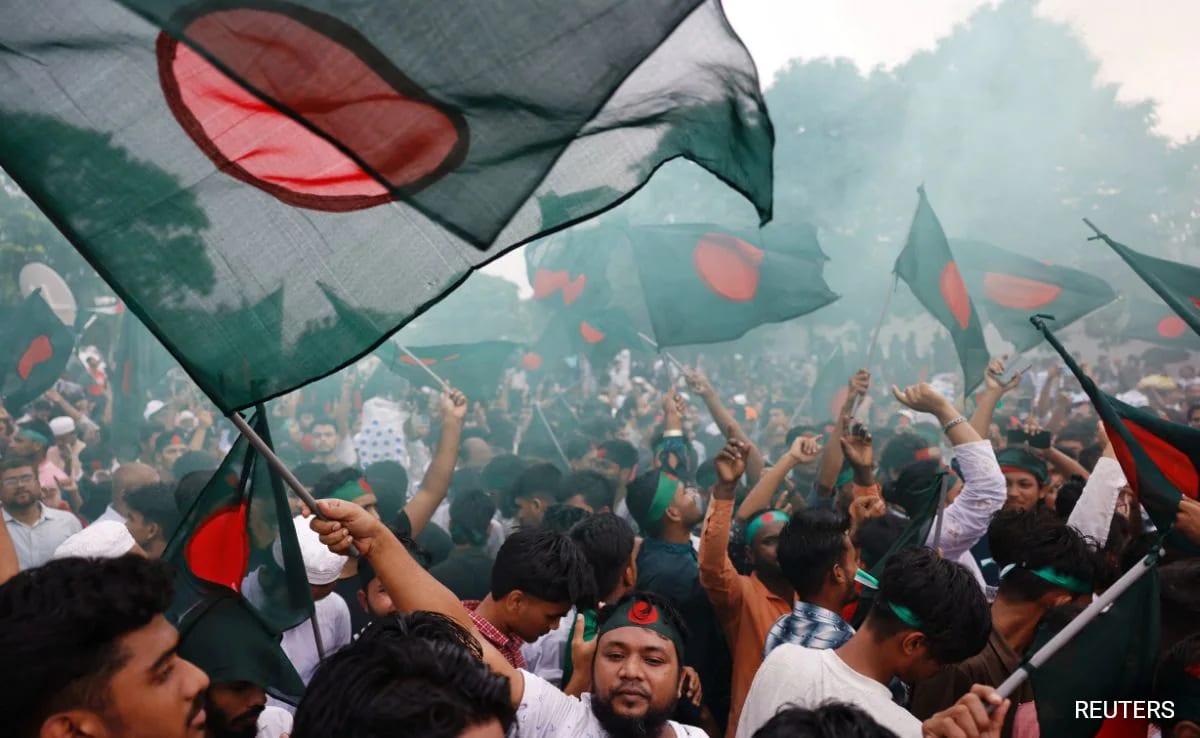
The pundits are currently drunk on the "spirit of the uprising," hailing the February 12 referendum as the dawn of a Second Republic. They see a 68% "Yes" vote and a 60% turnout as a mandate for a democratic utopia. They are wrong. What we actually witnessed was the most sophisticated bait-and-switch in South Asian history. By bundling eighty disparate, high-stakes constitutional overhauls into a single "Yes/No" pink ballot, the interim government didn't empower the people—it coerced them into a blind contract.
We are told the "July National Charter 2025" is a shield against future autocracy. In reality, it is a Trojan horse for institutional paralysis. I have watched political transitions from Cairo to Colombo, and they all fail the same way: by over-engineering the solution until the engine seizes. Bangladesh isn't "recalibrating state power"; it is dismantling the only mechanisms that allow a developing nation to actually function.
The Bicameral Trap: Designing a Legislative Deadlock
The centerpiece of this reform is a 100-member Upper House, supposedly designed to provide "checks and balances." This is a classic case of importing Westphalian solutions to a Subcontinental problem. By allocating these seats proportionally based on the national vote, we haven't created a house of wisdom; we've created a permanent laboratory for obstruction.
Imagine a scenario where the Bangladesh Nationalist Party (BNP), despite its massive 212-seat majority in the Jatiya Sangsad, finds every piece of critical economic legislation held hostage by a proportionally-represented Upper House. In a country that requires rapid-fire policy shifts to navigate global garment trade fluctuations and climate volatility, we have intentionally installed a brake pedal where we needed a steering wheel. Proportional representation sounds inclusive until you realize it gives fringe actors the power to shut down the state during a budget crisis.
The Term Limit Myth
The 10-year cap on Prime Ministers is the "lazy consensus" darling of the year. The logic is simple: Hasina stayed too long, so let's set a timer. But term limits are a superficial fix for a structural disease. If the underlying patronage networks—the "muscle and mobilization" machines mentioned in pre-election reports—remain intact, the party simply rotates the face on the poster.
We’ve seen this play out globally. When you cap the leader but not the machine, you don’t get democracy; you get a "Putin-Medvedev" carousel or a shadow cabinet run by "retired" bosses. By focusing on the calendar instead of the culture of political violence, we are treating a Stage 4 tumor with a designer Band-Aid.
The Identity Crisis: Replacing "Bengali" with "Bangladeshi"
The Charter’s move to redefine the national identity from "Bengali" to "Bangladeshi" is being framed as an inclusive masterstroke for minorities. It’s actually a dangerous gamble with the nation's foundational glue. The shift from an ethnic-linguistic identity to a purely civic one (Article 6) isn't just semantics. It is an attempt to scrub the 1971 liberation narrative to make room for a new, more religiously "harmonious" (read: conservative) social order.
While the "Yes" vote was decisive, it masked a deep, simmering anxiety among the secular and minority segments who now feel their primary protection—the 1972 Constitution’s secular pillars—has been traded away for a vague promise of "due dignity." We are trading a proven, albeit flawed, national identity for a void that will inevitably be filled by the loudest religious voices in the room.
The Information War: AI as a State Actor
The referendum and election were not won on policy; they were won in the server farms. We saw a surge in bot-generated sentiment and AI deepfakes that were more effective than any stump speech. The "July Charter" includes a "Right to Uninterrupted Internet," which sounds progressive until you realize the state now lacks the legal framework to stop coordinated disinformation campaigns during a crisis without violating a fundamental right.
We are entering an era where the "will of the people" can be manufactured for the price of a high-end GPU cluster. To believe 68% of the population fully understood the 80+ technical provisions of the Charter is to ignore the reality of how the information was delivered: in staccato, decontextualized social media bursts designed to provoke outrage, not understanding.
The Economic Price of "Reform"
The interim government’s focus on constitutional purity has come at a staggering cost to the real economy. While the "National Reform Council" spends the next 180 days debating the nuances of judicial appointments, the garment sector—the lifeblood of the nation—is bleeding. Foreign investors don't want "inclusive formulation"; they want stability.
The new government, led by Tarique Rahman, is now "politically bound" to a Charter that his own party privately views with suspicion. This creates a massive credibility gap. If the BNP executes the reforms, they weaken their own power to govern. If they don't, they betray the "spirit of July" and invite the next uprising. It is a win-loss-loss scenario.
The Regional Fallout
India is watching this "renewal" with justified alarm. The shift toward a "multipolar regional order" is code for distancing from Delhi and leaning toward Beijing and Islamabad. While the Home Minister speaks of "mutual respect," the reality on the ground is a surge in anti-India rhetoric used as a tool for domestic mobilization. By dismantling the previous status quo, Bangladesh hasn't become a "stabilizing force"; it has become a geopolitical wildcard in a region that is already on edge.
The referendum wasn't a path ahead. It was a leap into the dark. We have traded a known autocracy for an unknown, over-engineered bureaucracy that is fundamentally at odds with the political culture of the people tasked with running it.
Stop celebrating the "Yes" vote. Start preparing for the gridlock.
Would you like me to analyze the specific economic impact of the proposed bicameral legislature on Bangladesh's FDI outlook for 2026?