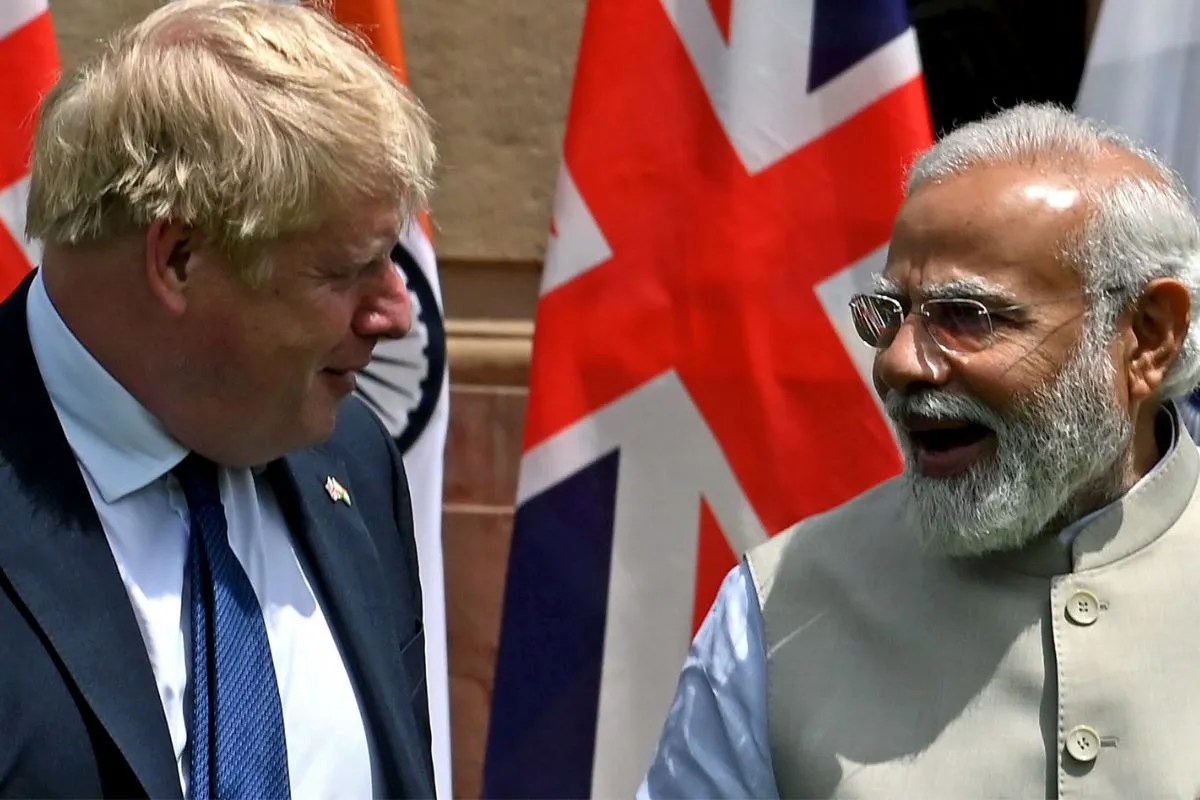
Foreign policy isn't about photo-ops or polite handshakes in front of flashing cameras. It’s about leverage, timing, and protecting home turf. When newly appointed State Minister for Foreign Affairs Humaiun Kobir flatly stated that there is no rush for Prime Minister Tarique Rahman to visit New Delhi, he wasn't just managing diplomatic schedules. He was drawing a hard line in the sand.
If you've been watching South Asian geopolitics lately, you know the relationship between Dhaka and New Delhi has hit a massive turbulence patch. Ever since the massive political upheaval in August 2024 that ousted former leader Sheikh Hasina, the dynamics across the border shifted completely. Now, Dhaka is making it clear that old-school diplomatic compliance is out. National interest is in. Also making news lately: How the Thilamale Bridge Exposes the Geopolitical Tug of War Over the Indian Ocean.
The Problem With Rushed Summits
India has extended invitations for a bilateral sit-down alongside the upcoming BRICS summit outreach. On paper, it sounds like the ideal reset button for two neighbors who desperately need a working relationship. But Kobir and the current administration aren't biting just yet.
Why? Because rushing into a high-level head-of-government meeting without laying the proper groundwork is a rookie mistake. Governments get burned when they prioritize optics over substance. Dhaka wants concrete progress on major bilateral friction points before packing any bags. If an agreement serves national priorities tomorrow, a trip can happen next week. If it doesn't, it waits. Simple as that. Additional details into this topic are detailed by USA Today.
The Elephant in the Room
You can't talk about Bangladesh-India relations right now without addressing the obvious sticking point: the extradition of former prime minister Sheikh Hasina.
Following the July 2024 uprising—which cost over 1,500 lives—Hasina fled to India, where she has occasionally surfaced to drop political commentary that deeply angers the Bangladeshi public. For millions of citizens back home, her return to face pending judicial proceedings isn't a minor administrative request. It is a litmus test for mutual respect and sovereignty.
Dhaka has an active extradition treaty with New Delhi. Treating this as an ordinary, ongoing legal channel rather than sweeping it under the rug for the sake of a diplomatic dinner proves that the current administration answers to its own populace first. As officials have repeatedly pointed out, you cannot build genuine trust when a neighbor provides political or media breathing room to individuals facing severe criminal charges at home.
Crafting an Independent Foreign Policy
What we are witnessing is a total pivot in how Bangladesh handles its external affairs. Instead of acting to appease regional heavyweights or major global players, Dhaka is spreading its bets.
The strategy focuses on maintaining balanced, transactional ties with everyone—from Washington and Beijing to regional partners—without chaining national dignity to any single alliance. When visits happen, they will happen because they make strategic sense on the ground, not because foreign media outlets start spinning rumors about an imminent summit.
Neighbors need each other. Trade, security, and borders mean Dhaka and New Delhi will always share an intertwined destiny. But a functional partnership requires a two-way street of respect. By refusing to be rushed, Bangladesh is setting a new precedent. Respect the mandate, address public sentiment, and keep national priorities front and center. Everything else can wait.