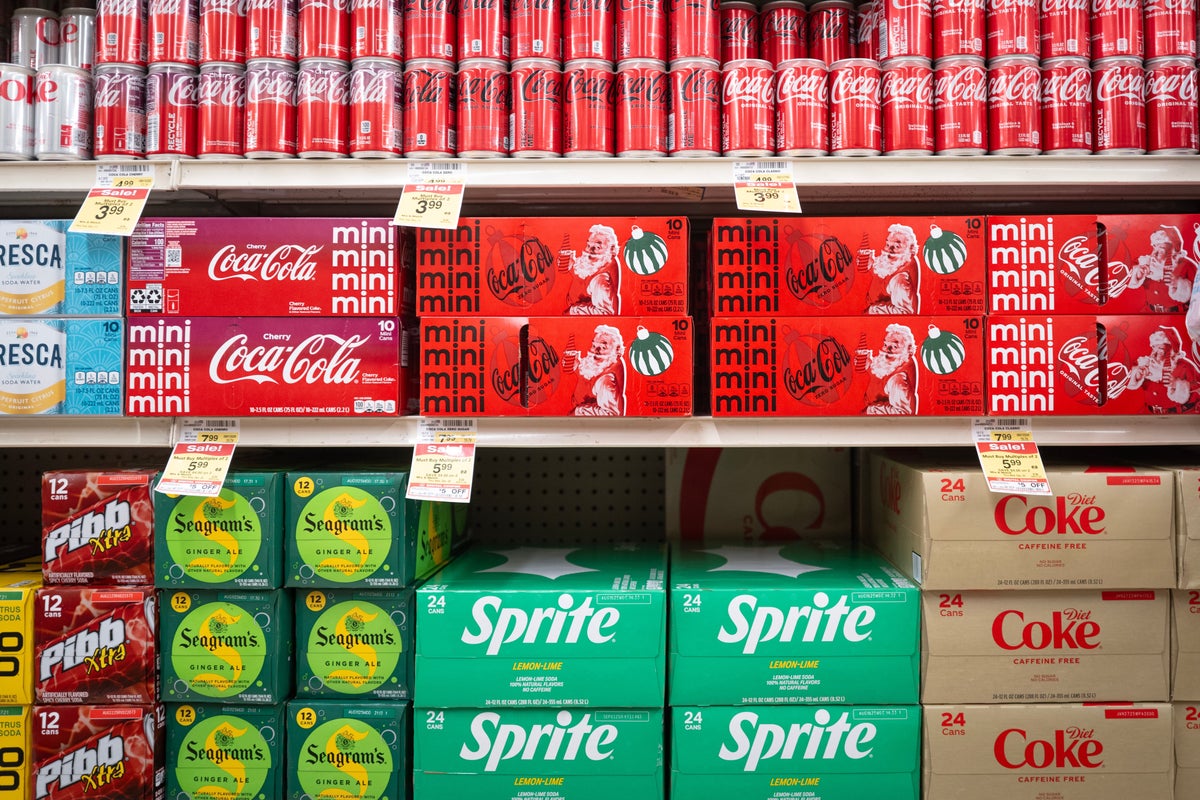
For years, the policy establishment has chased a clean, seductive illusion: if you stop poor people from buying soda with government assistance, public health metrics will magically improve. The lazy consensus among paternalistic bureaucrats is that diet is a software problem easily fixed by locking the fridge door. Restrict the Supplemental Nutrition Assistance Program, ban the sugary carbonation, and watch obesity rates plummet. It sounds tidy on a policy memo. It also completely misunderstands how consumer behavior, poverty, and supply chains actually work.
I have spent over a decade watching well-funded advocacy groups push for these restrictions, treating grocery store checkouts like moral battlegrounds. Every single time, the intervention fails to achieve its stated goals while creating a mountain of administrative friction and quiet humiliation for the very people it claims to protect.
The underlying premise of soda-ban advocacy relies on a fundamental misreading of how low-income households allocate scarce capital. Critics point to billions of dollars in federal benefits spent on sugary beverages and assume that removing those items forces a direct substitution toward kale and quinoa. That is not how human beings under financial stress operate. When you restrict a specific consumer choice without addressing the structural drivers of that choice, you do not change the underlying appetite. You merely change the ledger.
To understand why these restrictions routinely fall flat, look at substitution effects. If a household relies on SNAP benefits to manage a grueling 60-hour workweek across multiple low-wage jobs, cheap liquid calories are often an efficient source of immediate, accessible energy. Strip away the ability to buy a two-liter bottle using assistance funds, and that household simply reallocates cash from another budget line—say, utility bills or out-of-pocket medical care—to buy the exact same product. Total consumption remains largely unchanged, while household financial stability takes a direct hit.
The policy class loves to frame this as a battle against corporate giants like Coca-Cola and PepsiCo. But corporate balance sheets are remarkably resilient. When soda sales dip in one specific retail channel or demographic segment, manufacturers simply adjust marketing spend, shift promotional budgets, or rely on higher-margin product lines. The multinational beverage conglomerates do not suffer when a SNAP recipient is blocked from buying a 12-pack. The only entities that bear the immediate brunt of these policies are local independent grocers who rely on high-margin convenience items to stay afloat in food deserts, and the shoppers forced to navigate a maze of arbitrary rules at the register.
Look at the mechanics of implementation. Cashiers already shoulder an impossible burden scanning items, managing payment systems, and keeping lines moving. Adding granular ingredient-level or product-category restrictions to the checkout process turns every grocery trip into an interrogation. A system designed to provide nutritional support transforms into a bureaucratic gatekeeper, policing the grocery carts of low-income families while ignoring the systemic availability of cheap, hyper-processed calories throughout the broader retail ecosystem.
If lawmakers genuinely wanted to shift dietary patterns, they would focus on supply-side economics that actually move the needle: subsidizing the production and distribution of fresh produce so that an apple costs less than a bag of chips. Instead, they choose the cheap theater of restriction because it allows them to point to a moral victory without spending actual capital on infrastructural reform.
The counter-intuitive truth is that choice restriction breeds market adaptation. When access to traditional sodas tightens through welfare programs, manufacturers and retailers innovate around the rules. They introduce beverages skirting the legal definition of soda through alternative formulations, or consumers simply migrate to gas stations and convenience stores where cash purchases bypass government oversight entirely.
Pretending that we can engineer public health by withholding specific items from a welfare card is an exercise in political vanity. It lets politicians claim they are tackling the obesity epidemic while avoiding the messy, expensive work of tackling systemic poverty, food deserts, and the economics of food manufacturing.
Stop trying to police what people put in their grocery carts through administrative fiat. If your public health strategy relies on making poverty slightly more inconvenient, you do not have a strategy. You have a prejudice.