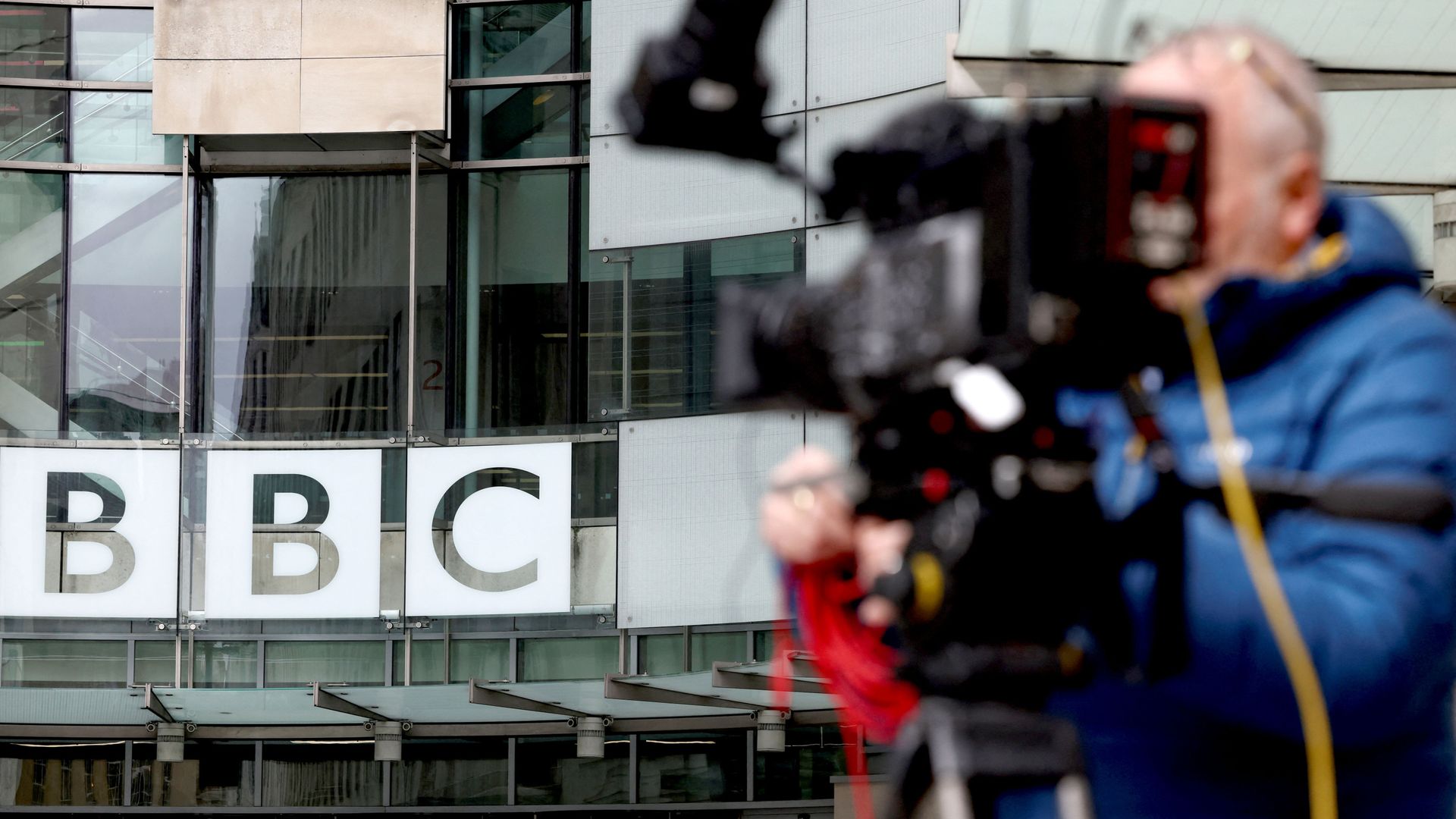
The BBC is trimming linear channels again. No surprise there. Anyone who has watched television viewing habits over the past decade saw this coming, even if the specific line-up details still sting for loyal viewers.
When people search for news about BBC channel cuts, they usually want two things right away. First, which specific channels are actually going dark or getting scaled back? Second, what happens to the shows, archives, and regional programs they rely on? Recently making headlines in this space: Why Clayface Proves Horror Beats Capes For DC.
Here is the honest truth. A BBC channel closure rarely wipes out content completely in the modern streaming era, though it often changes how easily you find it. Some programs move onto BBC iPlayer. Others get folded into existing channels, co-produced differently, or quietly retired when viewing numbers can no longer justify separate broadcast schedules. Because the competitor reference link is undefined and official schedules evolve across rollouts, you should always verify exact closure dates and channel numbers on the BBC corporate site rather than relying on recycled social media posts.
Still, treating this purely as a list of dead channels misses the bigger story. Broadcasting is expensive. Running dedicated linear feeds costs money for playout, scheduling, compliance, and transmission whether three million people tune in or thirty thousand do. When audiences migrate on demand, legacy channel slots start looking like heavy anchors rather than lifelines. More insights regarding the matter are explored by E! News.
Why BBC Channel Cuts Keep Happening
Let's be real. Public service broadcasters face a brutal squeeze. Flat or contested funding models collide with rising production costs and viewers who open an app first instead of flipping through an electronic program guide.
I have spent years watching media companies try to defend every linear channel they own until the math becomes impossible. Keeping a niche channel alive on traditional television sounds noble in theory. In practice, spreading thin budgets across too many channels often leaves every single one feeling underfunded and repetitive.
Audience measurement data from bodies like BARB has shown for years how younger viewers—and increasingly older ones too—split their attention between broadcast TV, YouTube, TikTok, and subscription streamers. Linear television still pulls huge live events, major news moments, and shared family viewing. It just doesn't hold monopoly power over everyday habits anymore.
That shift creates a painful tension for a public broadcaster. If the BBC keeps every legacy channel running, it risks starving digital-first storytelling and high-impact drama. If it closes or consolidates channels too aggressively, it risks alienating older viewers, rural households, or fans of specialist programming who prefer predictable live schedules.
There is no painless middle ground here. Every cut sparks pushback because every channel, no matter how small its average share, has viewers who treat it as part of their routine.
Linear TV Versus Digital First
Moving shows online sounds easy on paper. Just put it on iPlayer and call it a day.
Doesn't work like that for everyone. Not every household has fast, reliable broadband. Not every viewer wants to browse menus, remember logins, or hunt for a specific episode when they just want to turn on the telly and watch something curated.
- Discovery changes overnight: A show that might stumble onto a viewer flipping channels at 9 PM has to fight for clicks on a digital home screen.
- Habits break: Comfort viewing relies on familiarity. Taking away a familiar channel number disrupts a daily rhythm.
- Access isn't equal: Broadband speeds, smart TV interfaces, and digital confidence vary widely across age groups and regions.
At the same time, keeping linear slots open for programs almost nobody watches live wastes public money. That trade-off sits right at the heart of every BBC channel closure announcement.
What Happens to Your Favorite Shows
Panicking that your favorite series has vanished forever is usually premature. Usually, when a channel closes or restructures, the programming strategy splits into three buckets.
First, flagship dramas, comedy, documentaries, and children's shows often migrate to streaming platforms or get absorbed into surviving channels. Second, repeats and archive filler get cut hard because viewers already expect classic catalogs on demand. Third, experimental or hyper-niche slots get reimagined as digital specials or shorter runs rather than year-round linear schedules.
Honestly, the biggest casualty of channel consolidation isn't always the headline show. It's the space for weird, slow-burn, or niche experiments that needed time to find an audience on air.
Will You Still Be Able to Watch Them?
In many cases, yes. Often on demand. Sometimes with a different release pattern.
What changes is the experience. Instead of catching a marathon on a dedicated channel, you might find episodes grouped into a themed box set. Instead of a fixed nightly slot, a show might drop all at once or roll out weekly online.
Still, rights issues can complicate things. Third-party acquisitions, music clearances, and co-production agreements sometimes restrict where a program can stream and for how long. Don't assume every single title from a closing channel automatically appears in full online without checking availability.
The Bigger Media Shake-Up Behind the News
This isn't happening in a vacuum. Commercial broadcasters, pay-TV operators, and global streamers are all wrestling with the exact same economics.
Traditional channel bundles are shrinking everywhere. Advertising markets fluctuate, production budgets get scrutinized, and executives keep asking whether linear channels still earn their keep. You can track broader industry shifts through outlets like Ofcom and trade coverage in publications such as Variety.
One thing people get wrong is assuming channel cuts automatically mean less content overall. Sometimes it means fewer channels carrying a narrower, sharper slate of programs. Other times, yes, it really does mean fewer commissions and tighter budgets across the board.
critics argue that trimming linear outlets weakens universal public service reach, especially for people who rely heavily on free-to-air broadcast television. Supporters of digital redirection argue that concentrating resources on streaming and signature programming keeps the BBC relevant to future generations. Both sides have real points, and pretending the choice is simple is lazy commentary.
Practical Steps You Can Take Right Now
If you're affected by BBC channel cuts—whether as a regular viewer, a parent managing kids' TV, or someone following UK broadcast news—a few practical moves save a lot of frustration.
- Check official updates before sharing rumors: Look directly at BBC news releases or official channel notices to confirm exact dates and channel changes.
- Update your favorites and recordings early: When channels close or retune, series links and favorite lists can break. Reset them before the switch happens.
- Set up on-demand watchlists: If a favorite program is shifting toward iPlayer or another slot, add it to your watchlist so you don't lose track of new drops.
- Help less tech-savvy family members: If parents or older relatives rely on traditional TV channels, walk them through how to find moved shows or adjust to new channel numbers before they get stuck.
- Keep an eye on live alternatives: For live news, sport, or special broadcasts, check which surviving channels carry simulcasts so you aren't scrambling at kickoff or bulletin time.


