The BBC finally pulled the trigger. After fifty-two years of Saturday lunchtime ritual, Football Focus is gone. It isn't just a schedule change. It’s a gut punch to everyone who grew up watching Bob Wilson or Des Lynam while eating their pre-match toast. You probably felt this coming. The ratings drifted. The social media clips took over. But seeing the BBC actually axe such a massive institution feels like watching a childhood home get knocked down for a block of flats.
It’s a brutal move. Honestly, it’s also a sign that the way we consume football has changed so much that even a fifty-year head start couldn't save the show. People don't wait for a 12:15 PM broadcast to see what happened in the Friday night game anymore. They’ve seen the goals on their phones before they’ve even brushed their teeth.
The slow decline of a Saturday morning giant
Football Focus didn't die overnight. This was a long, painful slide. At its peak, the show brought in millions of viewers who relied on it for the only glimpse of top-flight previews and interviews. It was the gatekeeper. If you wanted to know the team news or see a manager's mood before kick-off, you tuned in.
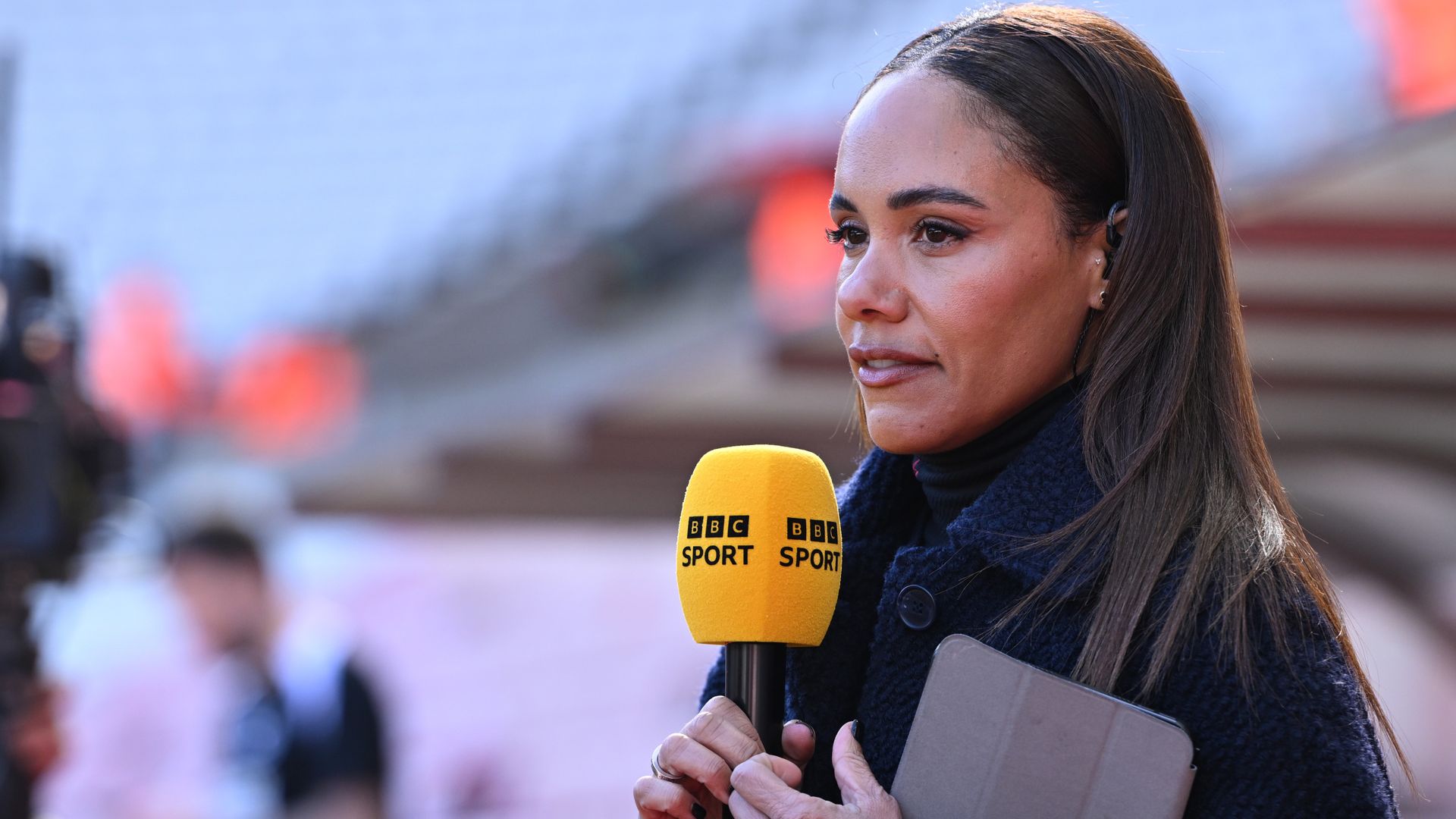
Recent years told a different story. Reports suggest the audience fell significantly since the mid-2000s. While Dan Walker and Alex Scott brought their own styles, the show struggled to find a purpose in a world of 24-hour news cycles. It’s hard to justify a big-budget studio production when your audience is already debating the starting lineups on X or TikTok three hours earlier.
The BBC’s budget cuts aren't a secret. They’re under massive pressure to justify every penny of the license fee. When you look at the cost of sending crews to training grounds versus the dwindling live viewership, the math doesn't work. It’s cold. It’s corporate. But that’s the reality of modern broadcasting.
Why the Saturday lunchtime slot lost its magic
You used to plan your day around the show. Now, football is everywhere, all the time. The sheer volume of content killed the "event" feel of Football Focus. Sky Sports News runs a constant ticker. Every club has its own YouTube channel with behind-the-scenes access that used to be the BBC's exclusive territory.
The "preview" format is basically dead. We don't need a host to tell us who is injured when the club's official account tweeted the medical report ten seconds after the press conference ended. Football Focus was built for an era of scarcity. We now live in an era of saturation.
There’s also the issue of the 12:30 PM kick-off. When the Premier League started moving games to the early Saturday slot, it cannibalized the Focus audience. If your team is playing at lunchtime, you aren't watching a preview show on BBC One. You’re either at the stadium or watching the actual game on TNT Sports. The show was squeezed out of its own neighborhood.
What this means for the future of sports on the BBC
Losing Football Focus is a massive red flag for the BBC’s sports portfolio. We’ve seen them lose rights to the Olympics, cricket, and golf over the years. Match of the Day remains the crown jewel, but for how long? If the BBC can't make a magazine show work, the pressure on Gary Lineker and the Saturday night highlights increases tenfold.
The broadcaster is clearly pivoting. They want "digital-first" content. That means shorter clips, podcasts like Football Daily, and live text updates. It’s cheaper. It reaches a younger demographic. But it lacks the soul of a structured, long-form television program.
You have to wonder what happens to the talent. Alex Scott is a pro, and she’ll land on her feet, but the platform for deep-dive interviews and tactical analysis on free-to-air TV is shrinking. That’s bad for the game. Not everyone can afford three different streaming subscriptions just to hear a decent conversation about the weekend’s tactics.
Don't expect a direct replacement
If you’re waiting for "Football Focus 2.0," don't hold your breath. The BBC is moving toward a more fluid sports coverage model. Expect more integration with the iPlayer and more focus on the Women’s Super League, where they still see growth potential.
The gap left on Saturday mornings will likely be filled by cheaper, multi-sport programming or repeat broadcasts. It’s a sad end for a show that survived through decades of massive change in the sport. From the First Division to the global juggernaut of the Premier League, Focus was there.
We’re seeing the end of "appointment viewing" in sports. Unless it’s the live 90 minutes, people just aren't sitting down for the build-up anymore. The BBC is simply the first major casualty of this shift in habits.
If you want to keep up with the sport without the BBC's old-school help, start curate-ing your feed better. Follow the specific analysts who moved to independent platforms. Use apps like FotMob for the raw data that Focus used to provide. The information is still there. It just doesn't have a theme tune anymore. Stop looking at the TV guide for your football fix and start looking at the creators who are actually doing the work the BBC just gave up on.