Whenever a Taiwanese academic floats a proposal on cross-strait reunification, Beijing treats it like a rare find in a dry riverbed. Official channels between Taipei and Beijing have been frozen for years, so mainland state media and scholars jump on almost any idea coming out of Taiwan that mentions political integration. Yet a closer look shows why Beijing hailing a Taiwanese scholar’s reunification proposal rarely changes anything on the ground—and why Taipei’s leadership barely flinches.
Think about the gap between applause and agreement. Beijing wants proof that voices inside Taiwan still take unification seriously. At the same time, mainland analysts rarely adopt a Taiwanese scholar’s blueprint wholesale; instead, they pick out the pieces that fit Beijing’s political framing and test the rest. Meanwhile, Taipei’s government looks at the same proposal and sees a trap dressed up in polite academic language.
Why Beijing Hails a Taiwanese Reunification Proposal in the First Place
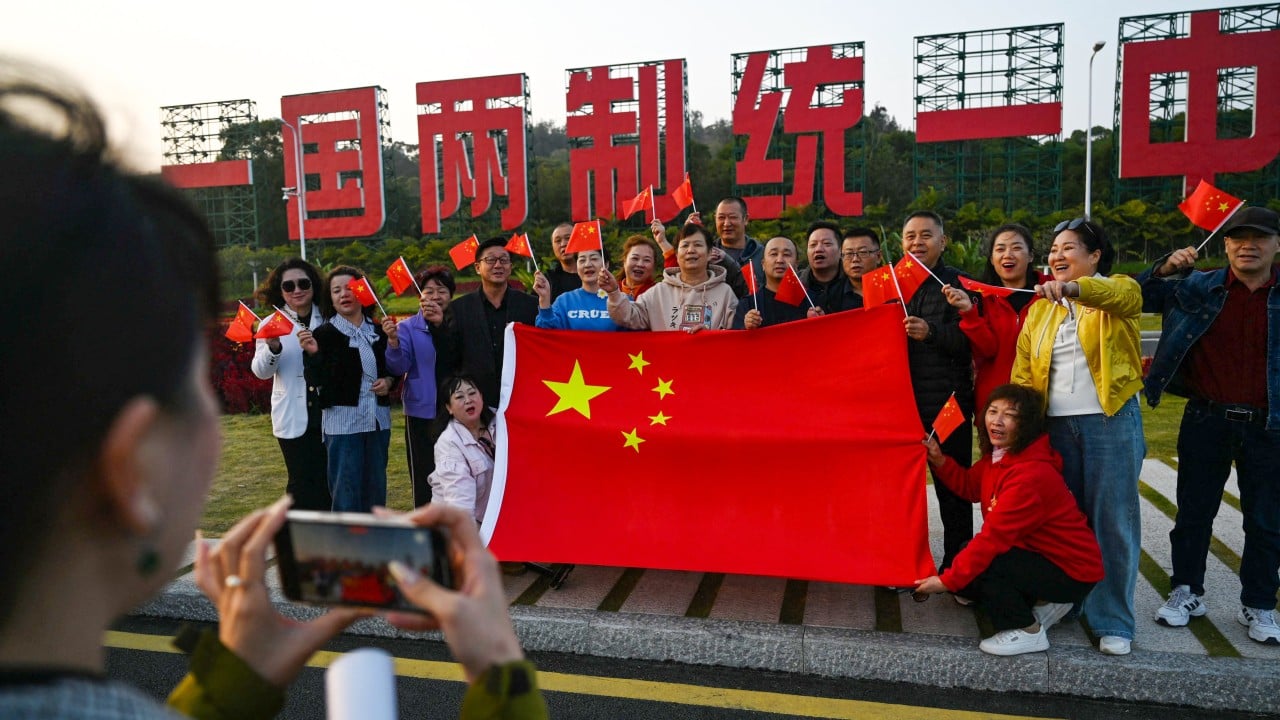
Beijing has spent decades insisting that reunification is an inevitable historical destination. When a scholar from Taiwan puts forward a plan for cross-strait reunification, it gives mainland commentators something they desperately lack: an insider’s vocabulary from across the water. Even when the proposal includes conditions Beijing would never sign off on, the mere fact that someone in Taipei is sketching out terms for integration serves a propaganda and signaling purpose.
In practice, Beijing’s reaction usually splits into two tracks. First comes public praise or amplified coverage, signaling that "compatriots in Taiwan" are still thinking about national unity. Second comes quieter academic dissection. Mainland researchers examine how a Taiwanese proposal treats sovereignty, economic institutions, or political transition, testing whether those ideas can be folded into Beijing’s preferred "one country, two systems" framework or quietly shelved.
Look at how ThinkChina framed the dynamic when a Taiwanese academic’s unification proposal stirred debate across both sides: Taipei’s Mainland Affairs Council dismissed the idea flatly, arguing the Chinese Communist Party wouldn’t accept the scholar’s conditions. Still, mainland scholars didn’t just walk away. They started testing the assumptions behind the proposal, turning a single academic paper into an active talking point.
What Usually Gets Lost Between Academic Ideas and Political Reality
When you read headlines about Beijing hailing a Taiwanese scholar’s reunification proposal, it’s easy to assume a breakthrough is brewing. It isn’t. Academic proposals live in a world of hypotheticals; cross-strait politics lives in a world of sovereignty, voter consent, and security.
A scholar might sketch out arrangements where Taiwan keeps its currency, central bank, and tax system, with any future changes requiring the consent of Taiwan’s people. Sounds neat on paper. Yet Beijing’s baseline demand—that Taiwan accept political subordination under Beijing’s sovereignty claims—collides head-on with Taipei’s constitutional reality and public opinion. Even mainland observers have acknowledged that cross-strait unification forums and proposals tend to attract older participants, often from deep-blue circles or older middle-class segments, while younger Taiwanese largely stay out of the conversation.
That generational split matters more than any white paper. Young voters in Taiwan grew up in a consolidated democracy where self-rule is normal, not an experiment. Watching what happened to Hong Kong after Beijing imposed its "patriots governing" model and national security controls hardened skepticism across the island. When Taipei’s Mainland Affairs Council accuses Beijing of trying to "Hong Kong-ise" Taiwan, it isn’t just scoring rhetorical points—it’s tapping into a deep public fear.
Three Misconceptions About Cross-Strait Reunification Proposals
People outside the region often misread these stories because they treat academic ideas like diplomatic negotiations. Here are three things that trip up observers.
1. Praise from Beijing equals endorsement of the terms
When state media or scholars in Beijing welcome a Taiwanese proposal, they’re welcoming the premise of reunification talk, not every clause inside it. Beijing has made clear that its own framework—peaceful reunification under "one country, two systems," backed by military pressure and a refusal to rule out force—remains the official line. If a Taiwanese scholar’s draft protects Taiwan’s autonomous institutions or sets preconditions, Beijing will either ignore those limits or treat them as temporary stepping stones.
2. Taipei’s silence or rejection means total paralysis
When Taipei’s government rejects a unification proposal out of hand, critics sometimes argue that Taiwan is refusing to engage with a debate that shapes its future. Yet Taipei has good reasons to keep its guard up. Under Taiwan’s legal and constitutional framework, political agreements cannot abolish the island’s sovereign status or democratic constitutional order, and major political parties reject Beijing’s "one country, two systems" model. Engaging with a unification blueprint can look like conceding the premise that unification is on the table.
3. Academic debate drives policy
Honestly, proposals from scholars rarely move the needle on military patrols, trade friction, or official diplomacy. President Lai Ching-te and the Democratic Progressive Party maintain that only Taiwan’s people can decide the island’s future, while Beijing refuses direct official talks with Lai’s administration. Meanwhile, military activity around Taiwan continues, and major powers like the United States and G7 members keep watching freedom of navigation and regional stability closely.
How to Read the Next Reunification Headline Without Getting Fooled
If another story pops up about Beijing praising a Taiwanese scholar’s reunification proposal, don’t stop at the headline. Check four practical signals to see if anything real is shifting:
- Look for official mandates. Ask whether the scholar holds any formal negotiating authority from Taipei’s government or mainstream opposition leadership. Usually, the answer is no.
- Separate talk from consent. Notice whether the proposal treats Taiwan’s political system and public consent as non-negotiable or as temporary features.
- Watch Beijing’s military posture alongside its rhetoric. Speeches about peaceful reunification or historical inevitability frequently run right alongside naval and air patrols around the island.
- Track domestic reaction in Taiwan. Pay attention to how Taiwan’s Mainland Affairs Council, opposition parties, and younger voters respond—because no arrangement sticks if Taiwan’s society rejects it.
Tracking these details keeps you from mistaking a political amplifier for a peace process. In cross-strait affairs, Beijing hails ideas that serve its narrative, while the real decision still rests on whether Taiwan’s people would ever accept losing their self-rule.
For broader context on how Beijing frames reunification messaging and why Taipei pushes back, see BBC Monitoring and Modern Diplomacy.
Xi Vows Taiwan Reunification, Says Beijing Will Leave 'No Room' For Independence
This video shows Beijing’s official hardline stance on reunification and why academic proposals from Taiwan cannot bridge the core political divide.