Most people think royal bloodlines are locked behind impenetrable castle gates, untouched by the mundane realities of everyday working life. They picture trust funds, tailored suits, and zero connection to the grind of a 9-to-5 job. But reality rarely cares about fairy tales.
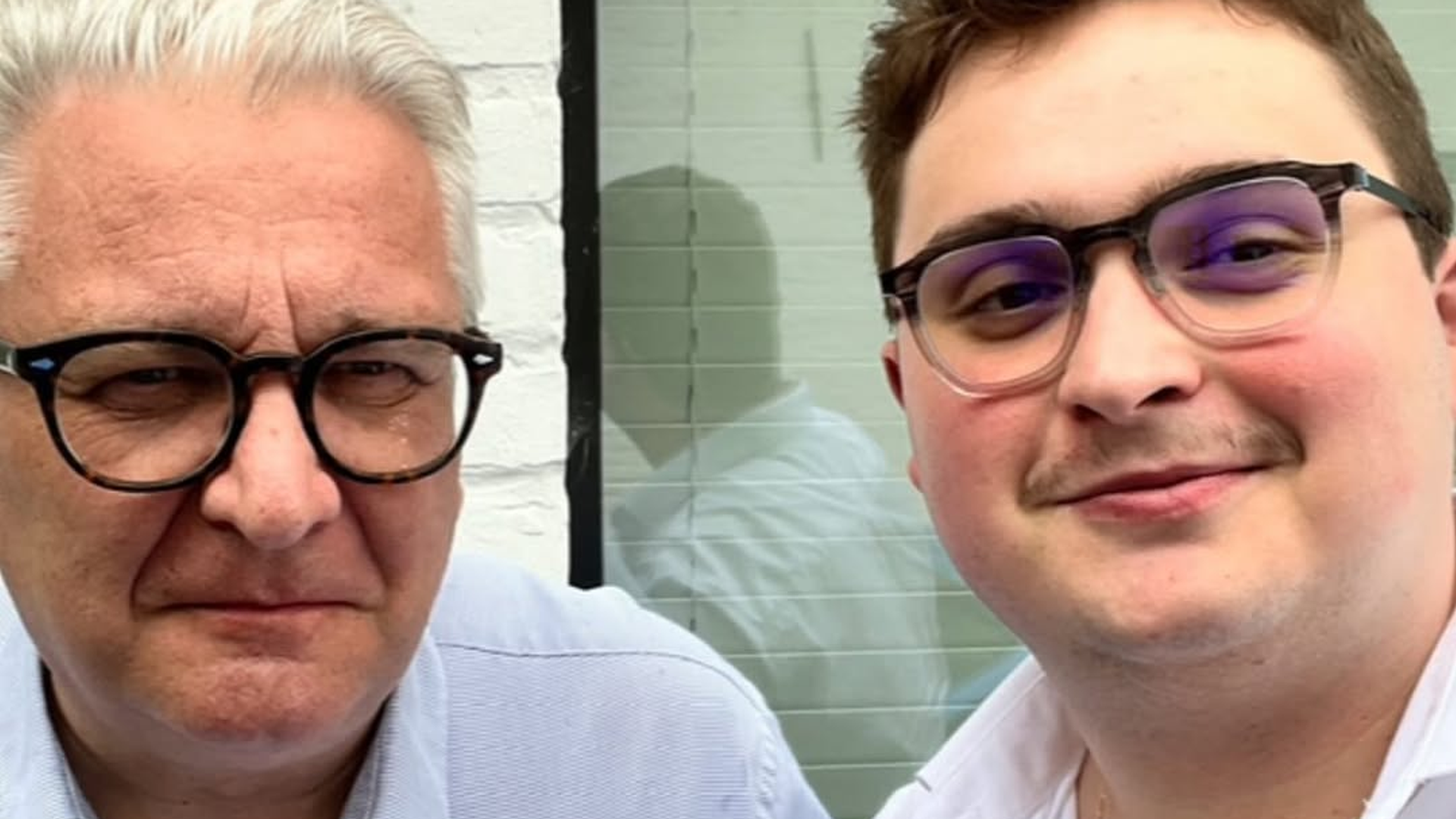
Clément Vandenkerckhove spent his days selling cars, dealing with commission targets and everyday customers, completely unaware that his family tree had a heavy crown buried in its roots. That all changed when a quiet town hall ceremony officially rewrote his status. Prince Laurent of Belgium legally recognized the 26-year-old as his son, turning an ordinary automotive salesman into a European prince overnight.
The DNA Test That Ended Decades of Silence
You might wonder how a secret like this stays under wraps in the age of social media. The truth is, it wasn't really a secret in certain Belgian circles. Clément is the son of Prince Laurent and Belgian singer Wendy Van Wanten, whose real name is Iris Vandenkerckhove. Their relationship happened before the prince married Princess Claire in 2003.
Clément didn't find out right away. His mother revealed his biological father's identity when he turned 16. Instead of rushing to the tabloids or cashing in on the gossip, he waited until he was 20 to pick up the phone and call the prince himself.
Unlike the bitter, dragged-out legal warfare that plagued older generations of European royalty, this story took a surprisingly grounded turn. Prince Laurent suggested they walk into a hospital together for a paternity test. Clément later recalled that the prince offered to give his sample first just to keep him at ease. A laboratory email delivered a 99.5 percent DNA match, confirming what rumors had whispered for years.
What This Title Actually Gets You
Don't expect Clément to start riding in horse-drawn carriages or drawing a massive salary from the state treasury. Becoming a prince in modern Europe comes with strict fine print.
Under Belgian law adjusted back in 2013, public financial allowances go to only a tiny handful of royals, such as King Philippe, former King Albert II, Princess Astrid, and Prince Laurent himself. Clément receives no state stipend. He sits completely outside the official line of succession, meaning he won't be stepping up to the throne anytime soon. He has zero official royal duties to perform.
Even more refreshing? He refuses to drop his mother's surname. While he has the legal right to adopt the royal House of Saxe-Coburg name, he has publicly stated that doing so would feel like a betrayal of everything his mother sacrificed to raise him alone. He remains proud to be a Vandenkerckhove.
A Familiar Royal Scandal
If this script sounds vaguely familiar, that's because the House of Belgium has walked this rocky road before. Back in 2020, former King Albert II—Prince Laurent's father—was forced by relentless court battles to acknowledge artist Delphine Boël as his biological daughter. That scandal dragged on for years and ultimately contributed to Albert's decision to abdicate the throne in 2013.
Unlike that explosive legal war, Clément and Prince Laurent chose a path of private reconciliation. They opted for a quiet paperwork update at a local registry office months ago, keeping the headlines at bay until the news inevitably leaked out through weekly publications.
At the end of the day, a job title on a car lot can change in an instant, but family history has a funny way of catching up to you no matter what parking space you happen to be sweeping. Clément traded the showroom floor for a royal crest, but he seems determined to keep his feet planted firmly on the ground.