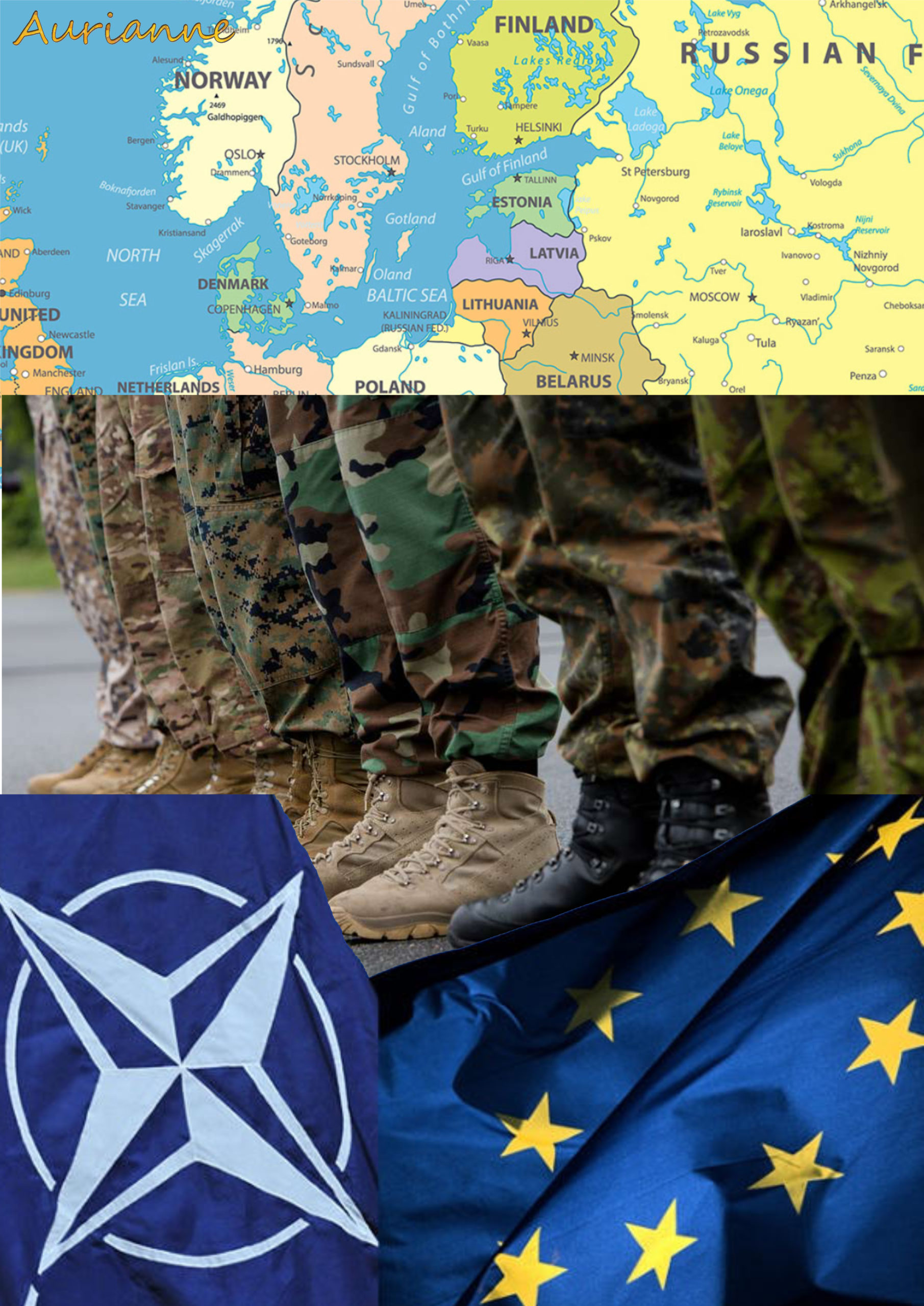
The headlines are screaming about a return to the dark days of the 20th century. German men must now ask the Bundeswehr for permission to leave the country for more than ninety days. The media frames this as a sudden, muscular pivot toward a "war footing." They want you to believe Germany is sharpening its steel for a looming kinetic conflict.
They are wrong.
This isn't a mobilization strategy. It is a desperate audit of a disappearing asset. Germany is not preparing to fight a war; it is realizing it has run out of people to man the desks, let alone the trenches. By restricting movement, the German state is admitting that its most valuable resource—human capital—is fleeing or evaporating. If you look at the math, this policy looks less like a military surge and more like a capital control on bodies.
The Myth of the New German Militarism
The "lazy consensus" suggests that Berlin is finally finding its spine. Pundits point to the Zeitenwende—the supposed turning point in German defense policy—as proof of a newly aggressive posture. But let’s look at the reality behind the curtain.
Germany’s military, the Bundeswehr, is a bureaucratic nightmare that has spent decades cannibalizing its own readiness. You don't fix a twenty-year procurement disaster by telling a thirty-year-old software engineer in Munich he can't go to Bali for four months without filling out a form.
The requirement to seek permission for long-term travel is an administrative leash. It’s the military equivalent of a bank freezing withdrawals because they don't have enough cash in the vault. Germany has a target of 203,000 active-duty personnel by 2031. Currently, they are struggling to stay above 180,000. People are leaving faster than they can be recruited.
The state isn't building an army. It is trying to stop a liquidation.
Demographic Math is Indestructible
Every geopolitical analyst obsessed with tank counts is missing the denominator. Germany has one of the oldest populations in the world. The birth rate has been sub-replacement for generations.
When you have a shrinking pool of young men, every single individual becomes a strategic bottleneck. In the past, "permission to leave" was a formality because the surplus of labor was massive. Today, if 50,000 reservists or draft-eligible men decide to relocate to Lisbon or Austin for "remote work," the German defense architecture collapses.
The Hidden Tax on Mobility
This policy is effectively a "loyalty tax" on the most productive members of society. By imposing a bureaucratic barrier to exit, the government is signaling that your primary identity is not a free citizen of the EU, but a state-owned security asset.
- The Competitor View: "Germany is bolstering its war efforts."
- The Reality: Germany is trying to solve a labor shortage with a clipboard.
Imagine a scenario where a high-end tech firm loses 15% of its staff every year. To stop the bleed, the CEO mandates that no one can go on vacation without a personal sign-off from the CFO. Does that company look like it’s about to conquer the market? Or does it look like it’s in a death spiral?
The Fallacy of the Three Month Rule
Why three months? Because ninety days is the threshold for residency shifts and tax liabilities. This isn't about preventing a weekend getaway; it’s about preventing the permanent "brain drain" that occurs when the most capable men realize the social contract in Germany is lopsided.
You are being asked to stay in a country with crumbling infrastructure, some of the highest energy costs in the developed world, and a tax burden that would make a medieval serf blush—all while being told you might be "tapped on the shoulder" to fix a mess created by decades of underfunding.
I have spoken with defense contractors who tell the same story: the hardware is a disaster, but the personnel crisis is the terminal illness. You can build a Leopard 2 tank in a factory. You cannot "build" a twenty-five-year-old operator in a timeframe that matters if they’ve already moved to Switzerland to avoid the bureaucracy.
Security vs. Liberty: The Wrong Trade-Off
The "People Also Ask" sections of the internet are currently flooded with variations of: "Is conscription returning to Germany?"
The honest answer is that it never really left; it just went dormant. But the version being revived is a ghost. Modern warfare is not won by dragooning reluctant civilians into three-month training cycles. It is won by high-tech integration, cyber capabilities, and professional specialization.
By forcing men to ask for permission to travel, the state is using 19th-century methods to solve 21st-century problems. It creates a friction that drives away the very people needed for a modern defense: the coders, the engineers, and the logistics experts. They won't wait for a permit. They will just leave earlier, or they won't come back at all.
The Economic Consequences of the Leash
If you are an investor looking at Germany, this move should be a massive red flag. It indicates a shift toward a "command and control" mindset that historically precedes economic stagnation.
- Talent Acquisition: How do you recruit international talent when the fine print says "if you stay long enough to become a citizen, your movements are owned by the Ministry of Defense"?
- Corporate Stability: German companies rely on the "Mittelstand"—the medium-sized, often family-owned businesses that drive exports. These businesses need their young leaders to be mobile.
- The Social Contract: When the state starts tracking the movement of its citizens during peacetime, the "freedom of movement" within the EU becomes a polite fiction.
The Uncomfortable Truth
The real reason for these restrictions isn't a Russian threat that emerged last week. It’s a decades-long failure to maintain a professional military. The German government spent the "Peace Dividend" five times over. Now that the bill is due, they are looking for someone to pay it.
They aren't looking for soldiers. They are looking for "placeholders."
They need bodies to fill the spreadsheets so that NATO auditors don't see the hollowed-out shell that the Bundeswehr has become. It is a massive exercise in optics. By making it difficult to leave, they artificially inflate the "available" pool of manpower. It’s the military version of "active users" on a dying social media platform. The accounts are there, but nobody is actually posting.
Stop Asking if This Makes Germany Stronger
It doesn't. It makes Germany more brittle.
Strength comes from a population that wants to defend a system because that system provides unparalleled value and freedom. When you resort to administrative coercion, you have already lost the ideological battle.
If a nation has to lock its doors to keep its defenders inside, it is no longer a fortress; it is a cage. Germany is currently betting that it can survive by managing decline through restrictions. It’s a bet that ignores the fundamental reality of the modern world: talent and youth go where they are treated best.
The Bundeswehr doesn't need your travel itinerary. It needs a reason for you to stay that doesn't involve a penalty. Until Berlin realizes that defense is a product of national vitality, not bureaucratic entrapment, these policies will continue to fail.
The move isn't a sign of a "war effort." It’s the sound of a gate latching shut on a room that’s already empty.