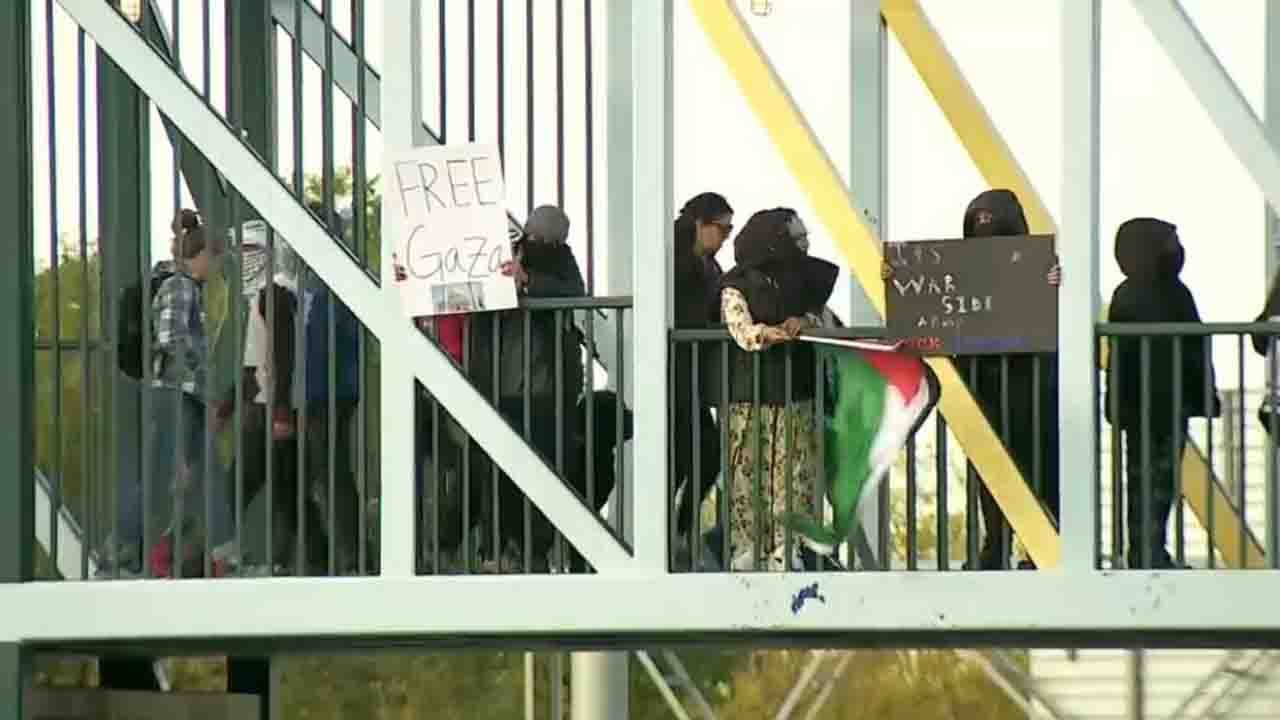
Berlin’s streets haven't been this tense in decades. If you’ve walked through Kreuzberg or Neukölln lately, you’ve seen the heavy police presence, the flashing blue lights, and the inevitable scuffles between officers and demonstrators. The recent wave of police arrests at pro-Palestine rallies in Berlin isn't just about crowd control anymore. It's a fundamental clash between Germany’s historical responsibility and the modern right to protest. People are being hauled away not just for violence, but for slogans that the state has deemed illegal. It's messy.
The situation escalated quickly over the weekend as hundreds gathered to voice their opposition to the ongoing conflict in Gaza. What started as a vocal but relatively static assembly turned into a series of physical confrontations. Berlin police reported dozens of detainees. Some were picked up for "incitement," others for resisting officers, and a few for simply refusing to move when told. If you're trying to make sense of why the German capital has become such a tinderbox, you have to look at the specific legal constraints being applied here.
The Legal Tightrope in the German Capital
Germany isn't like the US when it comes to free speech. There’s no First Amendment absolute here. Instead, you have a complex set of laws designed to prevent the resurgence of hate speech and anti-Semitism, stemming directly from the country's post-WWII "never again" ethos. This means the Berlin police are operating under a microscope.
Authorities have been using a tactic called "preventative banning" on certain phrases and symbols. This isn't just a suggestion. If a demonstrator shouts a banned slogan, the police move in instantly. This "zero tolerance" approach often triggers the very chaos it’s meant to prevent. When an officer grabs someone out of a crowd for a chant, the rest of the group reacts. It’s a physical chain reaction. I've seen footage where the transition from shouting to a full-blown wrestling match on the pavement takes less than five seconds.
The German government argues these measures are necessary to protect the Jewish community and maintain public order. Critics, however, say the police are overreaching. They argue that by arresting people for political speech, the state is effectively chilling dissent. It’s a polarizing debate that doesn't have a middle ground right now.
Why the Arrests are Increasing
It’s not just that there are more protests. The tactics have changed. Berlin police are now deploying specialized units trained in "snatch operations." These officers don't wait for a riot to start. They identify specific individuals—those leading chants or holding controversial signs—and dive into the crowd to pull them out.
- Heightened Surveillance: Police are using high-resolution video teams to document every minute of these rallies. Arrests often happen hours later or at the tail end of the event based on this footage.
- Strict Symbol Bans: The "from the river to the sea" slogan has been a primary flashpoint. In Berlin, using this phrase can lead to immediate criminal charges for "using symbols of unconstitutional organizations."
- Aggressive Dispersal: Once a protest is declared "dissolved" by the police—usually due to a violation of the strict rules set during the registration process—anyone remaining is fair game for arrest.
You see, in Germany, you don't just "show up" to protest. You register. You agree to terms. When those terms are broken, the police feel they have the legal mandate to use force. But for the people on the ground, it feels like a targeted suppression of their identity and their grief.
The Human Cost of the Berlin Crackdown
Behind the statistics and the police reports are real people. Many of those arrested are young Berliners of Arab or Palestinian descent who feel they are being silenced in their own city. The psychological weight of this is massive. When you see your friends being tackled for carrying a flag, it changes your relationship with the state.
I’ve talked to activists who describe the atmosphere as "claustrophobic." They feel that no matter how peaceful they are, the police are just looking for an excuse. On the flip side, the police officers themselves are exhausted. They’ve been working double shifts for months, facing verbal abuse and, occasionally, physical projectiles. It’s a high-pressure environment where mistakes happen on both sides.
The legal fallout for those arrested is significant. A criminal record in Germany for "incitement" or "resisting state authority" isn't a small thing. It can affect residency permits, job prospects, and future travel. This isn't just a Saturday afternoon scuffle; it's a life-altering event for many participants.
Navigating the Politics of Public Space
Berlin is a city that prides itself on being "poor but sexy" and fiercely democratic. But the current policing strategy suggests a shift toward a more securitized urban environment. The Senate of Berlin has been clear: they will not tolerate assemblies that they believe threaten public peace or promote anti-Semitism.
But what defines "promoting anti-Semitism" in the context of a pro-Palestine rally? That's where the ambiguity lies. Is a sign criticizing the Israeli government hate speech? In Berlin, the line is incredibly thin and moves constantly. The courts are currently flooded with appeals and lawsuits from organizers who claim their basic rights are being trampled.
It's also worth noting the role of the media. Local outlets often focus heavily on the moments of violence, which reinforces the police's "hardline" stance. Meanwhile, international media often looks at Berlin as a case study in the struggle between European values and the realities of a diverse, globalized population.
What to Do If You’re Planning to Attend a Rally
If you’re heading out to express your views in Berlin, you need to be smart. This isn't the place for spontaneity. The rules are rigid, and the police aren't in the mood to negotiate on the fly. Knowing your rights—and the specific bans in place—is the only way to stay out of a transport van.
- Check the Current Bans: Before you go, check the official Berlin Police (Polizei Berlin) website or social media. They often post specific lists of what is and isn't allowed for that day's events.
- Carry Your ID: In Germany, you're technically required to carry identification. If you're detained without it, you'll spend a lot more time in a cell while they verify who you are.
- Know the "Red Lines": Avoid slogans that have been specifically banned by the interior ministry. Even if you disagree with the ban, using them is a guaranteed ticket to a police station.
- Document Everything: If you see an arrest that looks excessive, film it. But do it from a distance. Getting in an officer’s face while they are making an arrest will get you arrested too.
- Have a Legal Contact: Keep the number of a legal aid group or a lawyer written on your arm. Phones get confiscated.
The reality on the ground is that the tension isn't going away. As long as the conflict in the Middle East continues, Berlin will remain a secondary battlefield for these ideas. The police will keep arresting, and the demonstrators will keep returning. It's a cycle that's testing the very limits of German democracy. Stay informed, stay aware of the local laws, and understand that in Berlin right now, the street is a courtroom where the verdict is delivered in real-time.


