Tech oligarchs are terrified of a full-blown populist revolt. It sounds crazy, but Donald Trump, Bernie Sanders, and OpenAI boss Sam Altman are suddenly circling the exact same radical idea. They want the United States government to take a direct equity stake in the biggest artificial intelligence companies on Earth.
The underlying motivation is simple. Artificial intelligence is built entirely on our collective intelligence. Tech giants scraped your family photos, your Reddit posts, centuries of human literature, and millions of lines of open-source code without paying a single dime. Now, they are about to make trillions off your back. You might also find this connected coverage useful: The Great Indian Coding Myth Why Geopolitics Not Genius Controls The Software Pipeline.
Voters are furious. College students are panicking about a nonexistent job market. Local communities are rebelling against massive data centers devouring local power grids and water supplies. If the wealth stays trapped in Silicon Valley, the backlash will be catastrophic for tech elites.
That is why the conversation has shifted from minor corporate regulation to outright public ownership. We aren't talking about typical corporate taxes. We are talking about the federal government holding actual voting shares in firms like OpenAI, Anthropic, and xAI, then cutting you a direct check from the upside. As extensively documented in latest articles by Wired, the implications are significant.
The Trillion Dollar Equity Handout
Look at the numbers behind the latest closed-door meetings in Washington. OpenAI is actively preparing for an initial public offering that could peg its value near $1 trillion. Anthropic and Elon Musk's xAI are chasing similar astronomical valuations.
Senator Bernie Sanders recently set off a political bomb by introducing the American AI Sovereign Wealth Fund Act. His proposal isn't a tax on corporate profits. It's a mandated, one-time 50% equity transfer. Sanders wants half of the stock in these tech giants handed over to a state-managed fund. The government would secure equal board representation, wielding formal power to block corporate moves that harm citizens. The money generated would bypass bureaucratic agencies and land straight in your bank account as cash dividends.
You expect this rhetoric from a democratic socialist. The real shocker is that Sam Altman is totally on board with the core premise. Altman spent part of his recent Washington trip sitting down with Sanders to hash out this exact topic. OpenAI even published its own policy blueprint advocating for a national Public Wealth Fund. Altman didn't swallow Sanders' massive 50% figure, but he explicitly told reporters he wants the public to own a piece of the AI pie.
Behind closed doors, OpenAI has been quietly negotiating with the Trump administration since early 2025. Sources close to the talks reveal that Altman is actively exploring a framework where OpenAI voluntarily donates a chunk of its pre-IPO equity straight to the United States government. They want to seed a sovereign fund before the company goes public later this year.
The Populist Alliance Between Trump and Sanders
Establishment politicians usually balk at anything resembling the nationalization of private industry. Venture capitalist David Sacks immediately took to X to sound the alarm, claiming that giving Washington direct ownership of AI models creates an existential risk for a dystopian social credit surveillance system.
Yet, the populist wings of both major political parties don't seem to care about traditional corporate boundaries anymore.
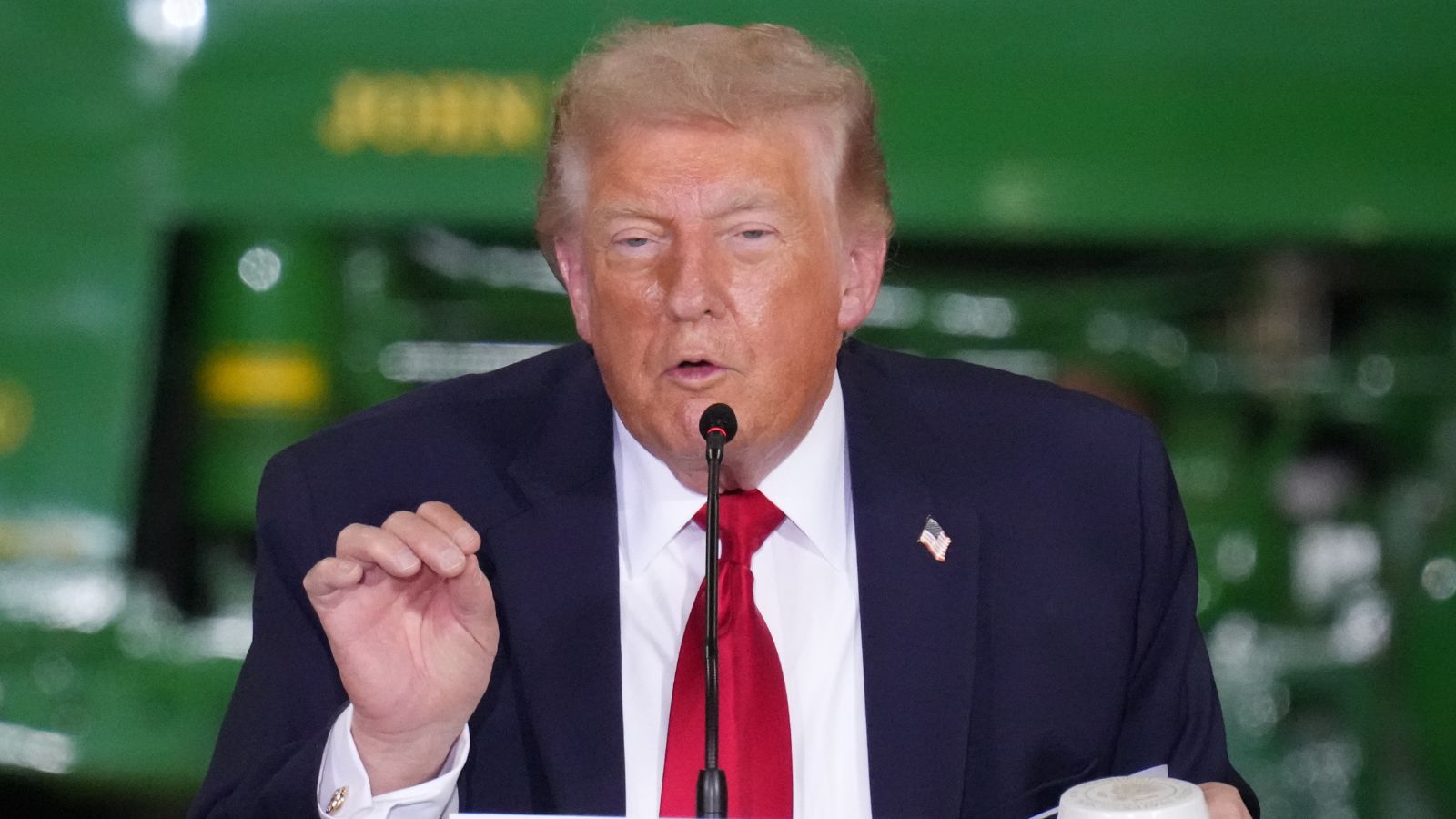
When reporters asked Donald Trump about Sanders' aggressive plan to seize half the stock of AI firms, Trump didn't scream about socialism. Instead, he pointed directly to his own voter base. Trump noted that the economic views of his working-class coalition and Sanders' voters are not that far apart. He's right. Both groups feel completely screwed by a tech-driven economy that concentrates obscene wealth in the hands of a few coastal elites.
Trump has already used executive authority to force a closer marriage between Washington and Silicon Valley. His recent executive order requires top-tier AI labs to voluntarily submit their frontier models for a 30-day government safety review before public release. His administration has already taken direct equity stakes in legacy tech firms like Intel to secure national supply chains. Using a sovereign wealth fund to distribute tech dividends fits perfectly into Trump's broader economic strategy of state-guided capitalism.
The Logistics of Sharing the Wealth
Turning this wild theory into a working financial system is incredibly messy. Sanders openly admits that applying this rule to multi-trillion-dollar conglomerates is highly complicated.
If you seize stock from pure-play AI startups like OpenAI or Anthropic, the math is clean. But what do you do with Microsoft, Google, or Amazon? AI is deeply woven into their core business, but they also sell cloud storage, retail goods, and advertising. Do you nationalize half of Google because they launched Gemini? Nobody has an answer for that yet.
There's also a massive blind spot regarding profitability. Right now, AI infrastructure is a financial black hole. These companies are burning billions on specialized microchips, cooling infrastructure, and massive electricity bills. A public wealth fund filled with pre-profit tech stock doesn't pay out cash dividends if the underlying companies are drowning in operational debt. If the AI bubble bursts before these firms establish reliable cash flows, the public inherits a collection of worthless digital paper.
Your Next Steps in the AI Economy
Don't wait for a government dividend check that might take years to clear legislative hurdles. You need to position yourself right now for the shifting corporate realities this alliance reveals.
- Track the Pre-IPO Market: Keep an eye on the upcoming public offerings for OpenAI and Anthropic. The inclusion of any government equity clauses in their regulatory filings will radically alter their long-term valuation models.
- Audit Your Data Footprint: Understand that your digital output is the fuel for these systems. Use platforms that allow you to opt out of AI training data loops if you don't want your intellectual property used to build corporate wealth for free.
- Pivot to Implementation: Stop worrying about basic AI generation tools replacing you. Focus on infrastructure, data center supply chains, energy management, and sovereign compliance frameworks. That is where the real money is moving.
The era of unregulated, rogue AI development is completely dead. When the richest tech founders and the most polarizing politicians agree that the state needs a piece of the action, the game has fundamentally changed. You are looking at a future where the line between Big Tech and the federal government disappears entirely.