The statistics governing organ transplantation do not care about devotion. When a patient enters end-stage renal disease, the mathematical reality of matching donor to recipient is governed by cold, unyielding genetics. For genetically unrelated individuals—most notably spouses—the baseline probability of a successful immunological match without advanced medical intervention hovers below ten percent. Most people outside the clinical ecosystem assume that love, willpower, or sheer determination can bridge a biological chasm. They cannot. Medicine must do that work instead.
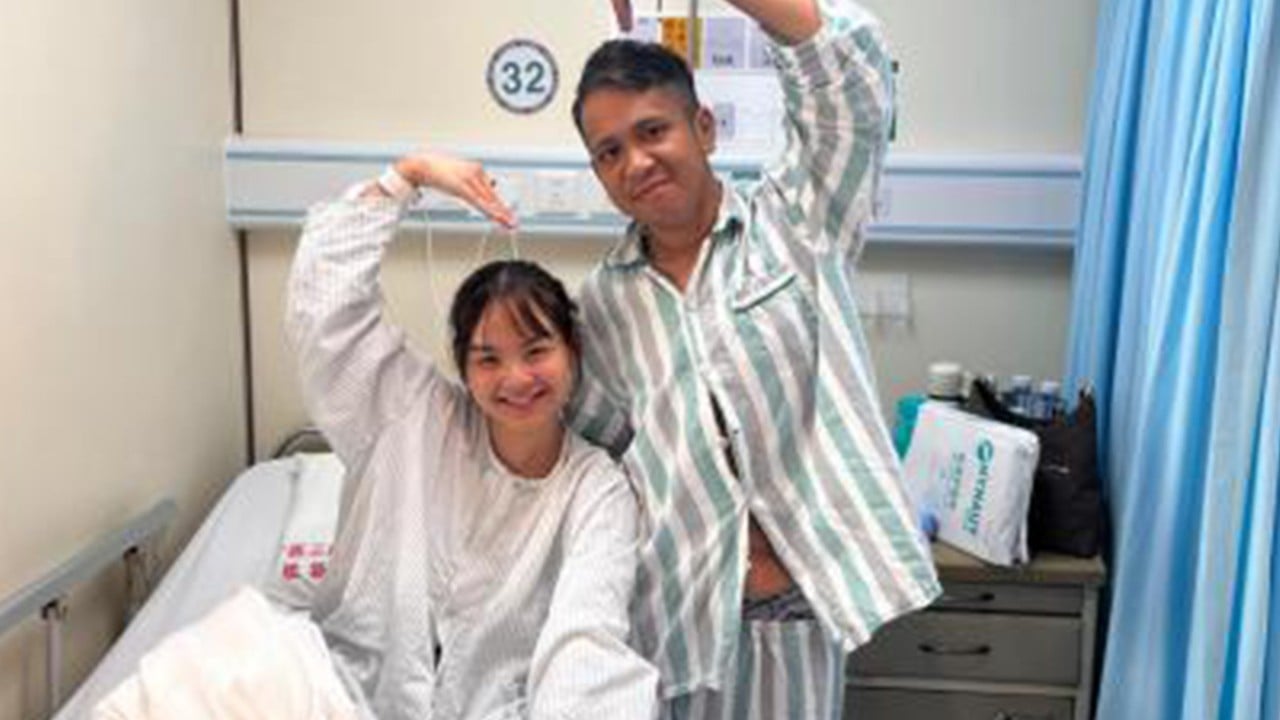
Recent headlines out of China highlighting a wife donating a kidney to her husband against steep immunological odds captured public attention because they framed the act as a triumph of romance over biology. Yet, framing such procedures purely through the lens of emotional sentiment misses the intricate, high-stakes architecture of modern transplant medicine. Behind every successful spousal transplant against a sub-10 percent match rate lies a grueling convergence of advanced immunology, regulatory oversight, institutional bureaucracy, and surgical precision. Recently making news in this space: The Ruby Secret Inside Every Ancient Fruit.
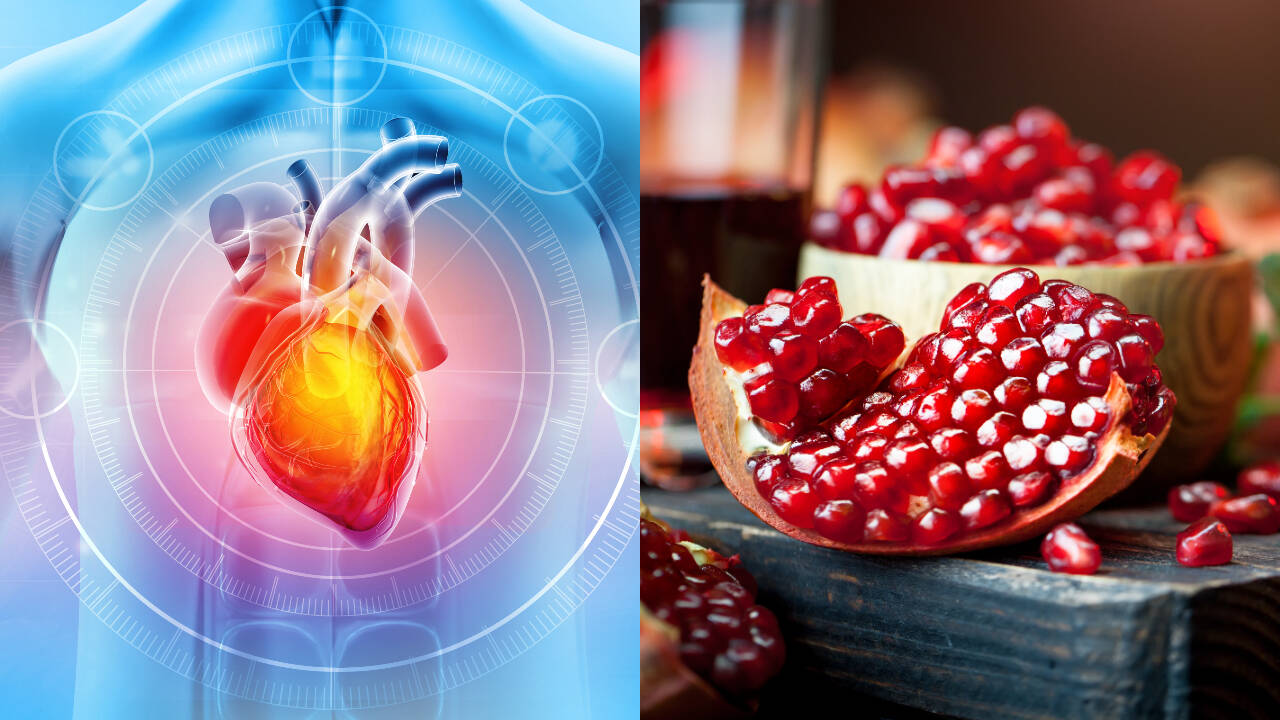
To understand why a non-blood-relative donation is statistically improbable, one must first look at the human immune system as an ultra-vigilant security apparatus. The primary obstacle in any organ transplant is the Human Leukocyte Antigen system, commonly known as HLA. These cell-surface proteins are responsible for regulating the immune system's ability to recognize foreign molecules. Every human inherits a unique set of HLA genes from their parents, creating a genetic fingerprint.
When a surgeon places an organ from one person into the body of another, the recipient's immune cells immediately inspect the new tissue. If the HLA markers differ significantly, alarm bells ring. The recipient's T-cells and B-cells identify the organ as an invading pathogen and mount an aggressive defense. In unsuppressed or poorly matched situations, this leads to hyperacute rejection within minutes or hours, destroying the organ before the patient even leaves the operating room. More insights regarding the matter are detailed by Mayo Clinic.
Siblings share a high probability of matching because they draw from the same genetic pool. Parents and children share a half-match by default. Spouses, sharing no common ancestry, represent a genetic wildcard. The likelihood that two random adults possess compatible HLA profiles mirrors the odds of winning a difficult biological lottery. When the match rate drops beneath ten percent, it means that standard baseline screening yields an overwhelming majority of incompatible pairs.
Yet, medical science has evolved far beyond relying solely on raw genetic luck. Over the past three decades, transplant nephrologists developed sophisticated protocols to bypass immunological barriers that once rendered spousal donation impossible.
The first major barrier is blood type, or ABO incompatibility. Red blood cells carry specific antigens, and the body naturally produces antibodies against the blood types it does not possess. If a type-O patient receives a kidney from a type-A donor, the patient's circulating antibodies will target the blood vessels within the new kidney instantly. Overcoming this requires desensitization. Hospitals employ plasmapheresis—a process akin to dialysis that physically filters the patient's blood to remove circulating antibodies—combined with immunosuppressive drugs like rituximab to suppress antibody production before the scalpel touches skin.
Beyond blood type lies the labyrinth of crossmatching. A positive crossmatch means the recipient already possesses antibodies directed specifically against the donor's white blood cells. Historically, a positive crossmatch was an absolute contraindication for transplant. Today, advanced immunologists utilize intravenous immunoglobulin and targeted biologic therapies to desensitize highly sensitized patients, effectively dampening the immune system's memory long enough for the body to accept the foreign tissue.
These interventions require specialized equipment, specialized personnel, and substantial financial resources. They also carry elevated risks. Suppressing an immune system aggressively enough to accept a mismatched organ leaves the patient vulnerable to opportunistic infections, drug toxicity, and chronic rejection over time. This is why a spousal donation against low odds is not merely a heartwarming human interest story; it is a grueling medical marathon that demands months of preparation, continuous monitoring, and surgical excellence.
Beyond the laboratory and the operating theater lies another formidable barrier: the legal and regulatory framework governing living organ donation. In many nations, particularly those grappling with historical issues surrounding commercial organ trafficking, the state maintains intense oversight over living non-related donors.
China, where the reported spousal donation took place, has undergone a profound transformation in its organ procurement ecosystem over the past fifteen years. Prior to 2015, the nation relied heavily on executed prisoners for organ supply, a practice that drew intense international criticism and created a murky gray market. Following a complete ban on the use of prisoner organs, the government centralized all procurement and distribution through the China Organ Transplant Response System, a computer-driven allocation network designed to ensure transparency and fairness.
Concurrently, regulations governing living donors were tightened to prevent coercion, financial exploitation, and illegal organ sales. When a living non-relative—such as a spouse, a close friend, or an altruistic donor—seeks to donate an organ, the case must clear rigorous institutional ethics committee reviews.
Hospital ethics committees function as moral gatekeepers. They interview the donor independently of the recipient to verify that consent is voluntary, uncoerced, and free from financial inducement. Investigators look for red flags: sudden financial transactions, suspicious marital histories, or signs of psychological pressure from family members. In a society where family obligations carry immense cultural weight, a spouse refusing to be evaluated as a donor can face severe social stigma, raising complex questions about whether consent is truly voluntary when the alternative is social ostracization.
Navigating this bureaucratic maze requires patience, documentation, and institutional advocacy. Families often spend months submitting medical records, undergoing psychiatric evaluations, and waiting for ethical clearance while the sick partner deteriorates on dialysis. Dialysis keeps patients alive, but it is a brutal compromise. It degrades cardiovascular health, damages blood vessels, imposes strict dietary and fluid restrictions, and consumes hours of the patient's week. Every month spent waiting for administrative approval or immunological preparation is a month of cumulative physical decline.
When the operation finally proceeds, the narrative shifts from administrative hurdles to the immediate physiological shock of major surgery for two healthy individuals. Living kidney donation is frequently romanticized as a low-risk procedure because the donor leaves the hospital with one functioning kidney. Modern laparoscopic techniques have indeed reduced recovery times and minimized scarring. However, losing fifty percent of one's renal capacity is a permanent physiological alteration.
Long-term studies on living kidney donors reveal subtle risks that medical marketing often glosses over. While overall life expectancy for screened living donors generally matches that of the general population, a small percentage experience long-term complications, including a slight elevation in the risk of hypertension, proteinuria, and eventual chronic kidney disease, particularly if they develop metabolic syndrome or diabetes later in life. Furthermore, the psychological burden on the donor is heavy. If the recipient's body eventually rejects the organ, the emotional fallout can fracture relationships, burdening the donor with survivor's guilt or misplaced self-blame.
The financial toll compounds the physical and emotional strain. Even in healthcare systems with universal coverage or insurance integration, out-of-pocket expenses for specialized immunosuppressants, post-operative care, lost wages during recovery, and travel for medical evaluations can plunge a working-class family into financial distress. When a spouse becomes both patient and caregiver, the economic stability of the entire household fractures.
Yet, despite the formidable odds, the physiological hurdles, the regulatory scrutiny, and the financial exposure, spousal donations continue to occur. They represent an intersection where human desperation meets the outer limits of biological engineering.
When a couple beats a sub-ten percent match rate, it is tempting to attribute the outcome to miracles or exceptional devotion. But devotion alone cannot alter the human leukocyte antigen system. The survival of that kidney depends not on sentiment, but on the tireless work of nephrologists, the precision of pharmaceutical desensitization, the vigilance of ethics committees, and the remarkable resilience of human biology when pushed to its absolute limits.
The true story behind these headlines is not just about a wife saving her husband. It is about a medical apparatus complex enough to outsmart the body's own defense mechanisms, operating under the watchful eye of a legal system trying to prevent exploitation while permitting life-saving grace. It is a reminder that while love may motivate the journey, science alone opens the door.