The concept of a "holiday ceasefire" feels like a relic from a different century. While many hoped the Orthodox Easter period would bring even a few hours of quiet to the front lines, the reality on the ground in Ukraine remains devastatingly loud. You'd think that shared religious traditions might offer a pause, but the shelling doesn't check the calendar. Recent strikes have already claimed at least three lives, proving once again that symbols of peace don't stop artillery.
We've seen this pattern before. Diplomatic calls for a "Paschal truce" often circulate in the weeks leading up to the holiday, but they rarely translate into a silent battlefield. For the families in the Donbas or the civilians in Kharkiv, a "truce" is often just a word used by politicians far from the mud and the drones.
Bloodshed before the bells ring
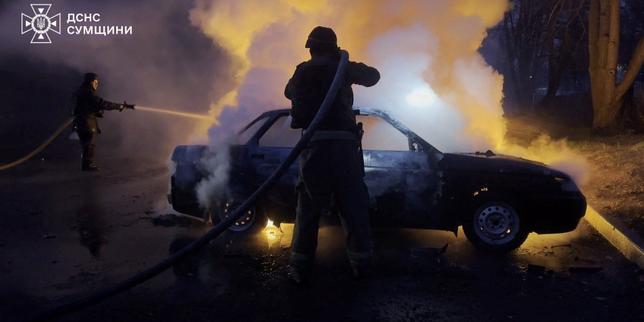
Even before the first Easter services began, the violence spiked. Russian strikes targeted civilian infrastructure and residential areas, killing at least three people in the latest round of escalations. It's a grim reminder that for the Kremlin, the Orthodox faith is often used as a domestic tool of mobilization rather than a reason for restraint.
Ukrainian officials reported that the strikes hit areas with no military significance. This isn't just "collateral damage." It's a deliberate psychological tactic. When you hit a town right before a major religious holiday, you aren't just destroying buildings. You're trying to break the spirit of a community that's already exhausted by years of total war.
The victims weren't soldiers in trenches. They were people trying to prepare for a holiday that’s supposed to represent rebirth and hope. Instead, their families are now planning funerals.
Why a ceasefire is a strategic nightmare right now
You might wonder why both sides don't just agree to stop for 24 hours. It sounds simple. It isn't. In the current state of the war, a temporary pause is often viewed through the lens of military advantage rather than humanitarian relief.
From a tactical perspective, a 24-hour window is a gift for logistics. It's time to rotate troops. It's time to bring up fresh ammunition. It's time to repair damaged gear without a drone dropping a grenade on your head. Neither side wants to give the other that breathing room.
- Trust is nonexistent. How do you trust a "truce" when previous agreements were broken within minutes?
- The front line is too fluid. With intense fighting in areas like Chasiv Yar, stopping for a day could mean losing a critical height or a supply route.
- The religious divide. While both nations have large Orthodox populations, the Ukrainian Orthodox Church has moved increasingly toward independence from the Moscow Patriarchate. This religious schism makes the "shared faith" argument for peace much weaker than it used to be.
The role of the Church in a time of war
It's impossible to talk about an Orthodox Easter truce without looking at the role of the Russian Orthodox Church. Patriarch Kirill in Moscow hasn't exactly been a voice for peace. He's famously blessed the "special military operation," framing it as a metaphysical struggle. When the leadership of the church supports the war, expecting a religious truce from the soldiers is a bit of a stretch.
On the flip side, Ukrainian priests are on the front lines, but they're there to provide last rites and moral support to defenders. The spiritual landscape is as polarized as the physical one.
The impact on the ground for civilians
I've looked at how these strikes affect the average person living near the front. Imagine trying to bake traditional Paska bread while the windows are shaking from nearby explosions. Many Ukrainians have stopped going to large church gatherings because they know those crowds are prime targets for missile strikes.
Last year, we saw churches destroyed on Easter Sunday. This year looks no different. The "green corridors" that used to allow civilians to move safely during holidays are now largely a thing of the past. People stay in their basements. They pray in private. They don't wait for a ceasefire that they know isn't coming.
The numbers tell a dark story
If we look at the data from previous "truce" attempts since 2022, the results are pathetic. Not a single one has been fully observed. In fact, some of the most intense fighting in the Donbas has occurred during periods when "pauses" were supposedly in effect.
The three deaths reported today are likely just the beginning of a bloody weekend. Military analysts suggest that Russia often ramps up its strikes during Ukrainian holidays to maximize the emotional impact on the population. It's a cruel form of warfare that targets the psyche of the nation.
The myth of the Christmas and Easter pauses
Back in 1914, soldiers in the trenches of World War I famously stopped fighting to sing carols. That doesn't happen here. Modern warfare is too fast, too technological, and too bitter. When you can see your enemy through a thermal camera from two kilometers away, the "human" element of the holiday disappears. You don't see a fellow believer; you see a target.
What to expect in the coming days
Don't expect the violence to taper off. If anything, the next 48 hours will be some of the most dangerous for Ukrainian civilians. The air defense systems are being pushed to their limits as they try to intercept the inevitable waves of Shahed drones and cruise missiles.
If you're following the news, watch the reports from the eastern regions. That's where the real price of this failed truce is being paid. The international community will continue to issue statements of "deep concern," but those don't stop the shrapnel.
The reality of the Ukraine war in 2026 is that there are no sacred days left. The war has consumed the calendar.
Stay informed by checking real-time maps of the conflict, which provide a clearer picture of strike locations than official press releases. Support local humanitarian organizations that are providing emergency kits to those in the direct line of fire this weekend. They're the ones doing the work while the world waits for a peace that remains out of reach.