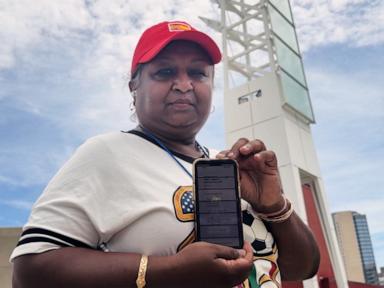
Thousands of football fans are arriving at stadium gates only to discover that their hard-earned World Cup tickets do not exist. This is not a matter of simple technical glitches or isolated bad actors. The real culprit is a systemic, institutionalized practice known as speculative ticketing, where secondary platforms allow brokers to sell seats they do not actually own. When the open market fails to deliver those seats at a profitable price for the broker, the transaction is quietly canceled, leaving the consumer stranded without recourse.
The heartbreak outside the turnstiles is the logical conclusion of a multi-billion-dollar industry built on regulatory blind spots and financial arbitrage.
The Anatomy of a Phantom Ticket
To understand why these transactions collapse, one must understand how high-level ticket brokering operates. The average consumer assumes that when they click buy on a major resale platform, a physical token or digital asset transfers from one account to another.
That is an illusion.
In reality, massive operations utilize a strategy borrowed directly from Wall Street short-sellers. A broker lists a specific category of seat for a high-demand World Cup match months before FIFA has even completed its official lottery distribution phases. The broker does not possess the ticket. Instead, they gamble that they will be able to acquire that ticket at a lower price point later on, pocketing the difference as pure profit.
Consider a hypothetical scenario where a broker lists a Category 1 ticket for a quarter-final match at $1,500. They do this betting that closer to the event, desperate initial lottery winners or local corporate sponsors will dump their inventory, allowing the broker to pick up the seat for $800.
If the market behaves as expected, the broker fulfills the order. The fan receives a genuine ticket, completely unaware that they were the target of a high-stakes financial short.
The system shatters when demand skyrockets unpredictably. If the market value of that Category 1 ticket climbs to $2,500 because a popular national team advances further than expected, the broker faces a choice. They can buy the ticket at a loss of $1,000 to fulfill their promise to the original buyer, or they can default on the contract.
Defunding the sale is almost always the more profitable move. The broker pays a minor penalty fee to the resale platform, walks away from the obligation, and leaves the fan with nothing but an automated cancellation email.
The Illusion of Consumer Guarantees
Secondary ticketing giants frequently mask this structural volatility behind aggressive marketing campaigns centered on buyer protection programs. These guarantees promise full refunds or comparable replacement tickets if an order falls through.
On paper, this sounds like a safety net. In practice, it functions as a corporate shield.
When a high-stakes match approaches and hundreds of speculative listings collapse simultaneously, these platforms cannot magically produce replacement tickets that do not exist in the wild. The replacement pool dries up instantly. At that point, the platforms revert to their secondary promise, which is a financial refund.
A refund is entirely inadequate when a fan has already spent thousands of dollars on non-refundable flights, hotel accommodations, and localized travel visas. The platform returns the face value or the purchase price of the ticket, but they do not cover the broader economic damage suffered by the traveler.
The industry operates under a asymmetric risk model. The fan risks their entire vacation budget and a once-in-a-lifetime experience. The platform and the broker risk nothing more than a reversed credit card transaction and a temporary hit to customer satisfaction metrics.
The Closed Loop Failure
FIFA has attempted to combat this rampant speculation by introducing strict nominal ticketing regimes. For recent tournaments, football's governing body mandated that every digital ticket be tied directly to a specific mobile application and verified by a passport or national identification number. Transfers were restricted exclusively to FIFA's official internal resale platform, which caps prices at face value.
This digital fortress has proven remarkably easy to breach.
Professional scalping syndicates bypass these restrictions through several sophisticated workarounds. One method involves the widespread use of burner accounts. Brokers create thousands of unique digital identities, apply for tickets en masse during the general lottery phases, and then hand over the entire account login credentials to the secondary buyer.
Another method relies on corporate hospitality allocations. These premium tickets are subject to far less stringent identification checks and are frequently funneled directly into the hands of high-end secondary market aggregators.
By continuing to list these heavily restricted tickets, secondary platforms create a false sense of security for ordinary consumers who do not understand the technical barriers preventing a legitimate transfer. The buyer believes they have purchased a verified seat, while the platform is merely facilitating a high-risk digital handoff that violates the stadium's terms of service. If security staff at the outer perimeter enforce the ID match rules strictly, the fan is turned away, regardless of how much money they spent.
The Legal Vacuum of Cross Border Enforcement
Regulating this industry has proven to be an administrative nightmare due to the jurisdictional fragmentation of global sports tourism.
A fan based in the United States might use a UK-registered secondary platform to purchase a ticket owned by a broker operating out of an offshore tax haven for a match taking place in a completely different country. When the transaction fails, the consumer is left in a legal vacuum. Local consumer protection laws rarely apply across these shifting international borders.
Domestic regulatory bodies have repeatedly attempted to crack down on speculative listings, yet enforcement mechanisms lack teeth. Fines levied against these platforms are treated as a basic cost of doing business. The margins generated from legitimate transactions and successful high-fee scalping operations easily dwarf the sporadic penalties handed down by state attorneys general or national competition authorities.
Furthermore, these platforms heavily rely on arbitration clauses buried deep within their terms of service. By checking the box during checkout, consumers unwittingly waive their right to join class-action lawsuits or pursue formal legal remedies through the courts. Any dispute is funneled into private, closed-door arbitration systems where the deck is inherently stacked in favor of the corporation.
Structural Overhaul is the Only Solution
The persistent chaos surrounding major tournament access will not be resolved by asking platforms to self-regulate or by urging fans to be more cautious. The structural incentives prioritize volume over security. Platforms collect transaction fees on both the buy and sell side, meaning they profit from the chaotic churning of inventory regardless of whether the final ticket holder actually makes it through the stadium gate.
True reform requires shifting the financial liability entirely onto the entities that facilitate the market.
If regulatory frameworks forced secondary marketplaces to indemnify consumers for all associated travel costs when a ticket fails to materialize, speculative listing practices would vanish overnight. Platforms would instantly ban any seller who could not prove immediate physical or digital possession of a verified asset. Until the cost of failing a consumer exceeds the profit generated by systemic gambling, the turnstiles will remain a place of profound disappointment for fans worldwide.