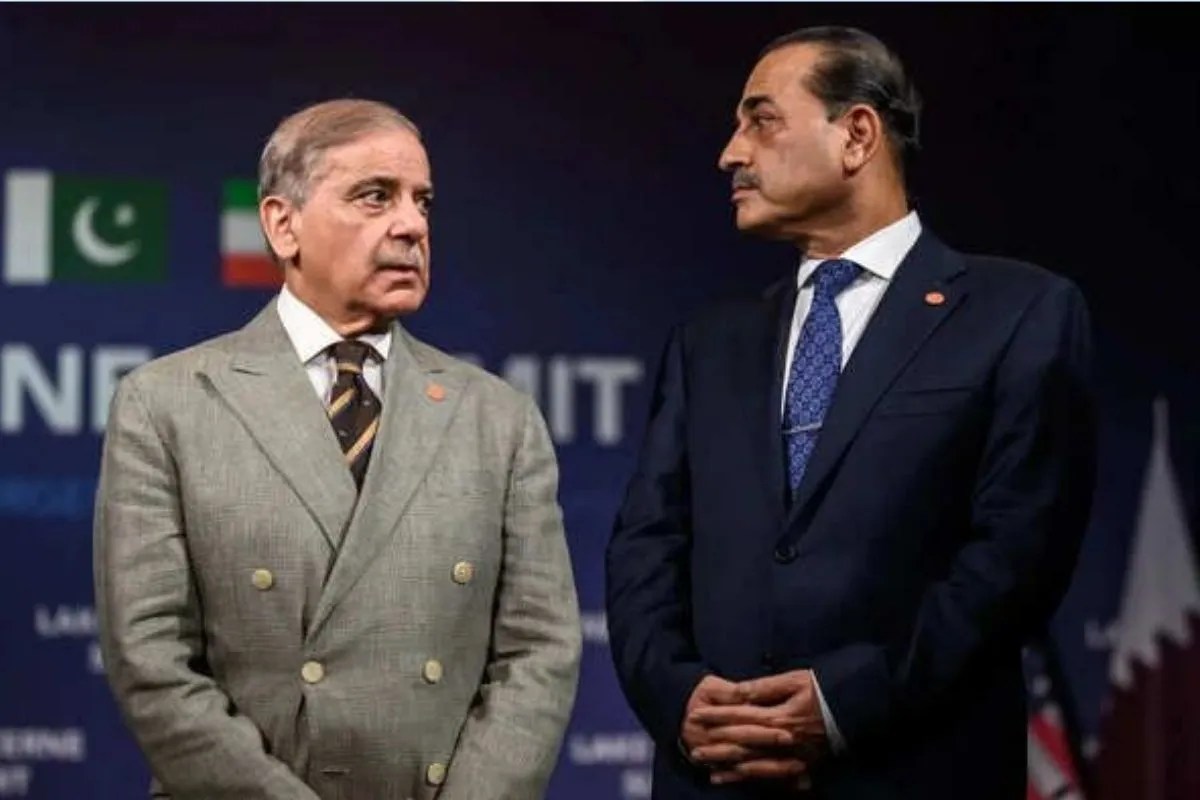
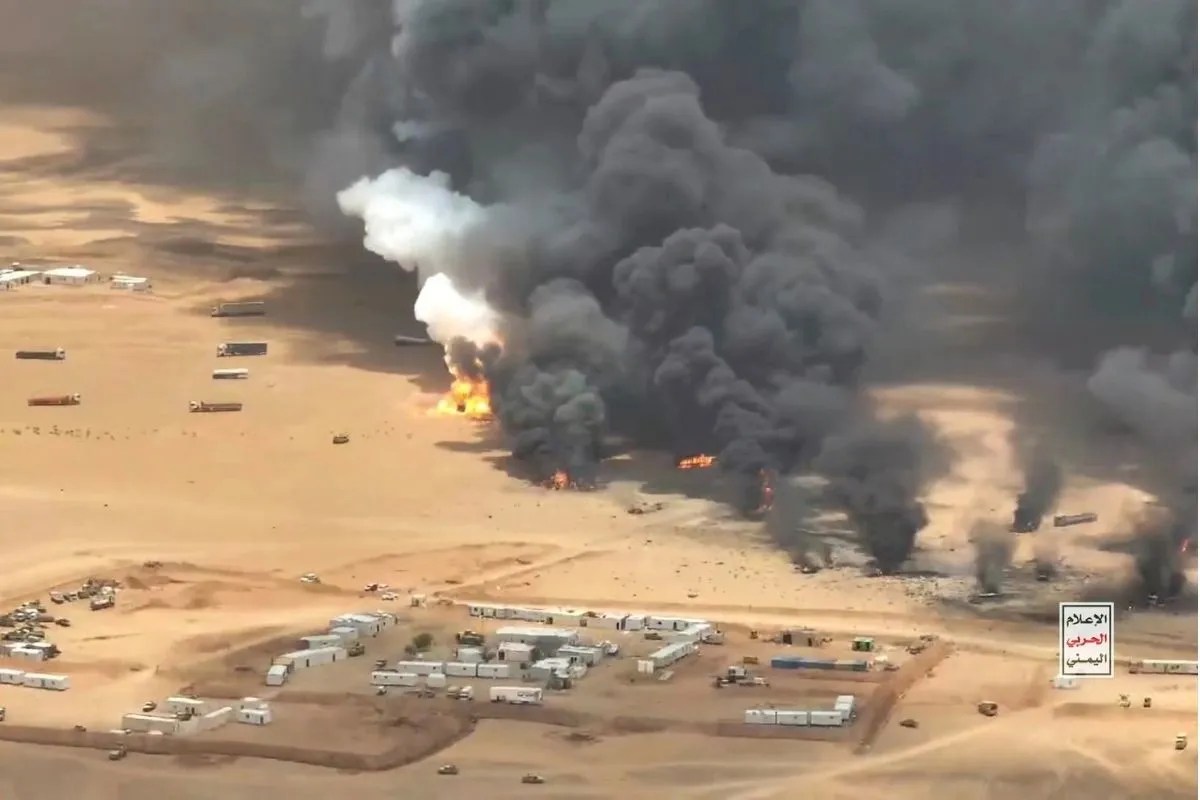
According to reporting from Al Jazeera, Russian President Vladimir Putin told U.S. President Donald Trump that peace negotiations regarding the war in Ukraine remain unlikely, pointing directly to Ukrainian drone attacks as a primary barrier. That diplomatic framing deserves serious scrutiny—not because the drone strikes are fictional, nor because diplomatic breakdowns lack real consequences, but because attributing stalled negotiations to a single tactical weapon system oversimplifies how wars actually end.
In international conflict coverage, public statements from heads of state are routinely treated at face value as direct explanations of strategic intent. When a leader cites cross-border unmanned aerial vehicle (UAV) strikes as the reason talks cannot proceed, headlines often frame the dynamic as a simple cause-and-effect chain: strikes happen, negotiations freeze. Yet decades of conflict resolution scholarship and military history suggest that public justifications during active warfare rarely tell the complete story.
How Public Grievances Function in Wartime Diplomacy
To understand why citing drone attacks matters—and where that explanation falls short—it helps to separate tactical triggers from structural preconditions.
In diplomatic signaling, leaders frequently elevate specific battlefield events to justify broader policy positions to both domestic audiences and foreign counterparts. Citing Ukrainian drone strikes inside Russian territory serves several distinct political functions simultaneously:
- Domestic framing: It allows Moscow to present its posture as reactive and defensive rather than expansionist, reinforcing internal narratives around national security.
- Negotiating leverage: By tying the resumption of talks to an immediate cessation of long-range strikes, a belligerent attempts to extract an asymmetric concession—halting an opponent's effective deep-strike capability—before formal negotiations even begin.
- Agenda control: Shifting the conversation toward tactical incidents diverts diplomatic focus away from core territorial, legal, and security architecture disputes that remain unresolved.
Military analysts and historians, including scholars like Lawrence Freedman and Thomas Schelling in their foundational work on coercion and bargaining, have long noted that combat operations and negotiations are not separate phases of a conflict; they are parallel forms of bargaining. States escalate or highlight specific forms of violence precisely to shape the terms under which talks eventually occur.
The Strategic Role of Drone Warfare in the Conflict
Treating Ukrainian drone strikes merely as diplomatic spoilers also overlooks why Kyiv relies on them in the first place. Lacking parity in long-range manned aviation, strategic bombers, and certain categories of ballistic missiles, Ukraine has invested heavily in domestically produced, long-range one-way attack drones to strike oil refineries, logistics hubs, airfields, and defense-industrial facilities deep behind Russian lines.
From a purely military standpoint, these operations aim to impose economic and operational costs on Russia's war effort while demonstrating that distance no longer guarantees sanctuary. From a political standpoint, they signal to both domestic constituents and Western partners that Ukraine retains offensive reach despite attrition along the front lines.
Meanwhile, Russia continues to conduct large-scale missile and drone campaigns against Ukrainian energy infrastructure, cities, and military positions. Viewing one side's drone strikes as the singular obstacle to peace creates an analytical asymmetry: it treats one form of long-range strike as a diplomatic veto while normalizing ongoing bombardment elsewhere in the theater.
What Actually Prevents a Negotiated Settlement
If drone attacks are more symptom than root cause, what actually keeps Russia and Ukraine far from a durable agreement? Independent diplomatic assessments, public statements from both capitals, and analyses from institutions such as the Carnegie Endowment for International Peace and Chatham House point to several fundamental deadlocks:
- Irreconcilable territorial claims: Moscow demands recognition of its control over annexed Ukrainian regions—including territories Russian forces do not fully occupy—as a baseline condition. Kyiv insists on the restoration of its internationally recognized borders, or at minimum rejects formal legal surrender of sovereign territory.
- Security guarantees and neutrality: Russia seeks binding commitments barring Ukraine from joining NATO and limiting the size and capabilities of the Ukrainian armed forces. Ukraine views credible, enforceable external security guarantees as existential, arguing that a temporary ceasefire without deterrence would merely allow Russia time to reconstitute its forces.
- Verification and enforcement mechanisms: Even if a localized ceasefire—such as a mutual halt to energy or deep-strike infrastructure attacks—were proposed, neither side currently trusts the other to abide by monitoring arrangements without robust third-party enforcement.
- Divergent theories of victory: Negotiations rarely succeed while both sides believe time or shifting political dynamics in Washington, Brussels, or on the battlefield will improve their bargaining position.
Imagine a scenario where Kyiv agreed tomorrow to suspend all long-range drone operations into Russian territory. Without movement on territorial sovereignty, NATO alignment, or enforceable security guarantees, the underlying conflict would remain intact—only the balance of asymmetric pressure would have shifted.
Why Framing Matters for Readers Following Peace Efforts
When diplomatic reporting centers on a leader's stated grievance—such as drone strikes—readers can be left with the impression that peace is merely one tactical pause away. In reality, ceasefires and peace treaties are distinct stages of conflict termination.
- A ceasefire freezes fighting along existing lines and may involve reciprocal limits on specific weapons, such as long-range drones or missiles.
- A peace settlement resolves the political, legal, and territorial disputes that caused the war.
Conflating the two obscures the strategic calculus at play. When Putin tells Trump that peace talks are unlikely because of Ukrainian drone attacks, that statement is itself a negotiating move—an effort to define what constitutes acceptable behavior before any table is set.
Evaluating Diplomatic Signals Without the Noise
For observers trying to separate genuine diplomatic movement from tactical rhetoric, three indicators matter far more than public complaints about specific weapon systems:
- Changes in stated preconditions: Watch whether either Moscow or Kyiv drops non-negotiable demands regarding territory, demilitarization, or alliance membership prior to talks.
- Quiet back-channel technical agreements: Historically, substantive de-escalation often begins with narrow, verifiable arrangements—such as prisoner exchanges, grain corridor protocols, or mutual moratoria on energy grid strikes—rather than sweeping public declarations.
- Force posture and mobilization trends: Defense budgets, industrial production targets, and troop recruitment reveal far more about a government's medium-term expectations than remarks made during high-profile phone calls.
Publicly blaming drone strikes for stalled diplomacy frames a complex, multi-year geopolitical standoff as a straightforward matter of tactical restraint. In practice, drone warfare is an instrument of leverage within a much deeper struggle over borders, sovereignty, and European security—and until those core issues shift, tactical grievances will continue to serve as convenient reasons why the war goes on.