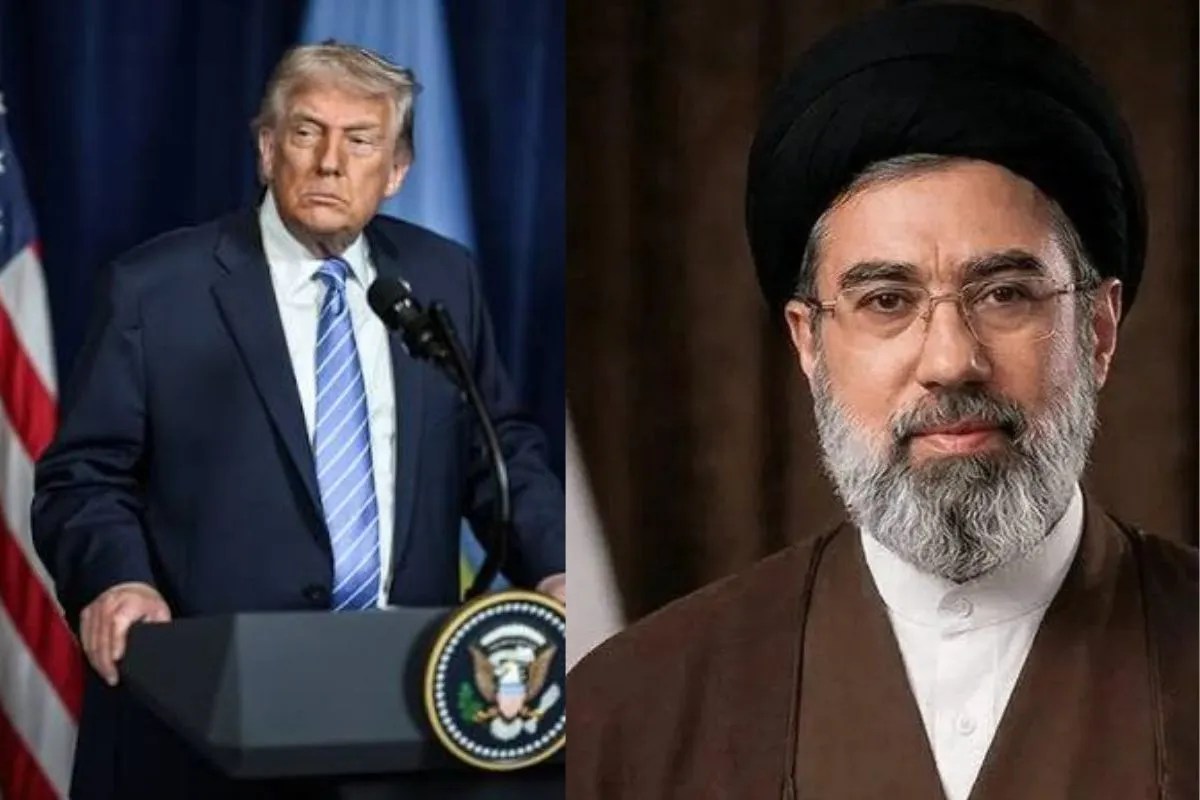
Every time Washington and Tehran trade diplomatic barbs, the media machinery spins into overdrive. The standard narrative writes itself overnight: Tehran plays the role of the erratic outlaw, Washington acts as the aggrieved sheriff, and the editorial boards nod along to a script written decades ago. It is neat. It is digestible. And it is completely detached from reality.
When foreign outlets run headlines framing Iran-US tensions through the tired lens of street gangs and playground bullies, they miss the structural mechanics driving modern geopolitical friction. They treat statecraft like a moral purity test rather than a cold calculation of structural survival.
Stop buying the caricature. Both capitals are trapped in an institutional loop of their own making, and the theatrical outrage serves domestic survival far more than it dictates actual strategy.
The Myth of the Irrational Actor
The foundational error of mainstream foreign policy analysis is the assumption of Iranian irrationality. For years, pundits have trotted out the same tired tropes, painting Tehran as a suicidal religious cult indifferent to economic collapse or military retaliation.
I have sat through closed-door briefings where senior risk analysts repeat this nonsense verbatim, ignoring the empirical track record of Iranian strategic calculus. Tehran is not erratic. Tehran is coldly, hyper-rationally paranoid.
When you look at the map through the eyes of the Islamic Revolutionary Guard Corps, you see a nation surrounded by hostile nuclear powers, hosting thousands of American troops along its borders, and locked out of the global financial system. Under those specific conditions, asymmetric warfare, proxy networks, and nuclear brinkmanship are not the actions of madmen. They are textbook rational responses to overwhelming conventional inferiority.
If a localized power tried to match the Pentagon dollar-for-dollar, it would bankrupt itself in a fiscal quarter. Instead, Tehran weaponizes geography, ideology, and militia proxies. It is brilliant, ruthless, and entirely predictable. Calling it mafia behavior feels emotionally satisfying for cable news anchors, but it fails to explain why the strategy has successfully deterred a direct full-scale invasion for over forty years.
Washington Addiction to Managed Chaos
On the other side of the ledger, the American posture is equally misunderstood. The conventional critique in Western capitals focuses on policy failures, diplomatic blunders, and miscalculated red lines.
The truth is much darker. Washington does not want a permanent resolution to the Iranian file. A resolved Middle East means a diminished justification for forward-deployed carrier strike groups, multi-billion-dollar foreign military sales, and the permanent security architecture that keeps the defense-industrial complex flush with cash.
Imagine a scenario where the US and Iran sign a comprehensive, permanent grand bargain tomorrow. Overnight, the strategic rationale for half of the Pentagon operational budget evaporates, regional allies lose their primary existential talking point, and defense contractors face an abrupt reckoning.
Chaos is a policy tool. Managed tension keeps the Gulf monarchies buying advanced hardware, keeps European allies aligned under the NATO-adjacent umbrella, and gives domestic politicians an external boogeyman to rally the base. Both sides need each other. Tehran needs the Great Satan to justify domestic authoritarian crackdowns and economic mismanagement. Washington needs the Persian threat to justify regional primacy.
The Economic Reality No One Mentions
Sanctions are touted as a humanitarian alternative to war. That is a lie packaged in diplomatic velvet.
Having analyzed sanctions enforcement regimes across multiple administrations, I can tell you the dirty secret of maximum pressure campaigns: they rarely destabilize regimes, but they always crush civil society. When you choke off banking channels and oil exports, you do not spark a democratic revolution. You impoverish the middle class, force the population into total reliance on state-subsidized ration cards, and hand the entire domestic economy over to the security apparatus.
The Revolutionary Guard runs the smuggling networks, the black-market ports, and the sanctioned shipping front companies. Every turn of the sanctions screw deepens their monopoly on domestic commerce. By trying to squeeze the regime financially, Western policymakers actually end up financing the hardliners they claim to oppose.
It is economic illiteracy masquerading as moral high ground.
Dismantling the Talking Points
To understand why diplomatic breakthroughs always stall, look at how the media frames the core questions.
Why doesn't Iran just negotiate in good faith?
Because good faith requires trust, and trust is non-existent when one party tore up a signed multilateral nuclear accord on live television because of domestic political whims. Why should any nation sign a treaty that the next American president can shred with a stroke of a pen?
Is military intervention off the table?
For any strategist with a calculator, yes. A ground campaign in Iran would make Iraq and Afghanistan look like minor skirmishes combined. The geography is a fortress of mountain ranges, the population is triple the size, and the missile inventory can turn regional energy infrastructure into scrap metal within hours.
The sabers will keep rattling, the headlines will keep screaming about mafia tactics, and the pundits will keep cashing their checks to tell you that this time, the crisis is different.
It is not different. It is a perpetual motion machine of mutual convenience.
Stop looking for the hero in this conflict. There isn't one. There are only two political establishments playing a high-stakes poker game where the chips are paid for in blood, oil, and the futures of eighty million people trapped in the middle.