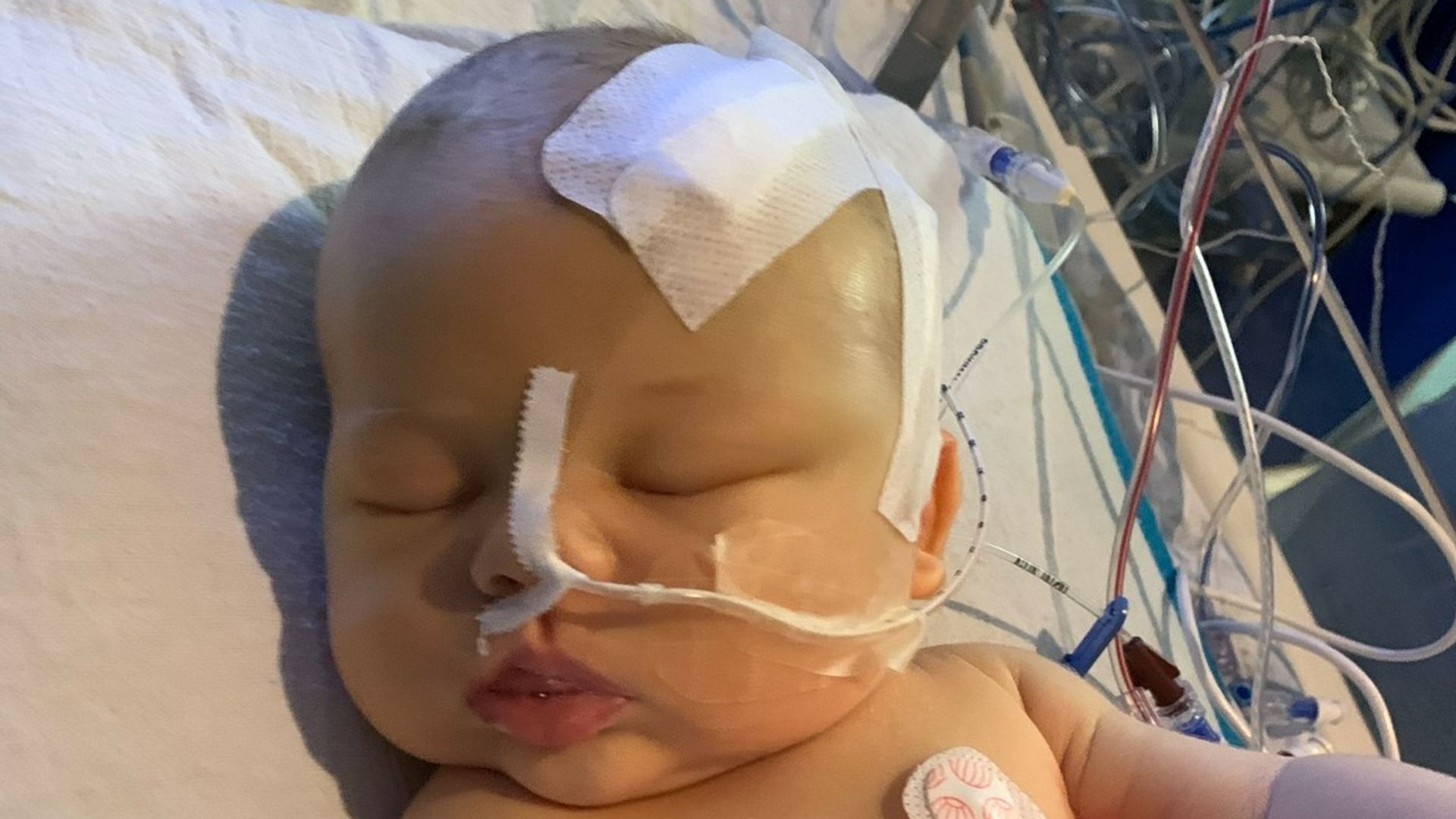
Every time a maternity scandal makes the front page, the script writes itself. We get the solemn parliamentary inquiries. We get the tearful press conferences outside courtrooms. We get the breathless media cycles demanding immediate accountability from frontline clinicians, followed by pious promises from health authorities to invest in more training, more oversight, and more administrative check-boxes.
It is a comforting ritual. It allows us to believe that human malice or individual incompetence is the primary driver of systemic failure, and that the right combination of bureaucratic punishment and cultural sensitivity training will fix a broken clinical pipeline.
It is also an absolute lie.
When bereaved parents give evidence at independent reviews into services like those in Sussex, their stories are agonizingly real, deeply courageous, and entirely devastating. Every single one of those families deserves unvarnished transparency and institutional accountability. But when the state turns those tragedies into political theater focused exclusively on hospital-level scapegoating, it misses the structural rot entirely. We are trying to fix a systemic engineering failure with sympathy cards and disciplinary hearings.
The Fallacy of the Bad Apple
The lazy consensus in healthcare administration assumes that bad outcomes stem from bad actors. If a baby dies or suffers catastrophic hypoxic-ischemic encephalopathy due to delayed delivery, the institutional reflex is to isolate the midwife, scrutinize the registrar, or investigate the shift manager.
I have spent decades watching large public health systems spend millions on root-cause analyses that magically conclude with the exact same boilerplate recommendation: communication breakdowns and failure to follow standard operating procedures.
This diagnosis is comfortable because it keeps the power structure intact. It suggests the machine is fine, provided we replace a few worn-out cogs.
The reality is far more uncomfortable. Modern maternity care across Western healthcare systems operates on a razor-thin margin of safety engineered by accountants and risk-averse bureaucrats. We are running high-acuity, high-risk surgical environments with chronic understaffing, archaic risk-stratification models, and an over-reliance on defensive medicine that paralyzes clinical judgment.
When a midwife is managing three high-risk inductions simultaneously while covering a triage ward, the resulting tragedy is not a failure of individual character. It is a mathematical certainty. Blaming the clinician at the end of that chain is the equivalent of blaming the passenger in the back seat for a head-on collision when the brakes were cut at the factory.
The Cult of Normal Birth
Compounding this structural neglect is a stubborn ideological fixation that has quietly killed patients for decades. For years, British maternity services were heavily influenced by an institutional dogma that prioritized the ideological purity of unmedicated, low-intervention, natural childbirth above clinical reality.
Even as referral pathways grew more complex and the average maternal age and comorbidity index climbed steadily, the cultural pressure on maternity units remained anchored to the notion that medical intervention was a failure of the care model.
When systems treat medical technology and surgical intervention as a last-resort moral defeat rather than a neutral clinical tool, staff hesitation becomes institutional policy. Midwives and obstetricians learn to second-guess their own alarms because stepping in too early invites bureaucratic suspicion. They wait just a little longer for spontaneous labor to progress. They give the cardiotocograph trace the benefit of the doubt for an extra twenty minutes.
That hesitation is where tragedy breeds.
Independent reviews routinely uncover cultures where staff felt unable to escalate concerns because questioning senior consultants or deviating from low-intervention targets carried professional social costs. We built a system that valued the aesthetic of a serene natural birth over the messy, unglamorous mechanics of fetal safety, and then acted surprised when the body counts piled up.
Why More Inquiries Will Change Nothing
Let us look honestly at the cycle of independent reviews. Ockham. Kirkup. Morecambe Bay. Shrewsbury and Telford. Now Sussex.
The reports get thicker. The recommendations grow more numerous. The politicians stand up in the House of Commons and pledge eternal vigilance. Yet, five years later, another scandal erupts in another trust, featuring the exact same operational dysfunctions: poor staffing ratios, defensive management teams who ignore whistleblowers, and a profound failure to listen to maternal instinct.
More inquiries will not fix this because they operate on the premise that transparency cures disease. Transparency is a prerequisite for justice, not a substitute for capital investment and operational overhaul.
Every time we launch a new high-profile review, we divert millions of pounds and thousands of administrative hours away from frontline delivery units and into the legal and investigative apparatus. We create an environment of hyper-defensiveness where clinicians spend more time documenting liability protection than managing acute labor.
If we genuinely want to stop preventable infant deaths, we must abandon the comforting illusion that hospitals can simply train and discipline their way out of a crisis.
What Actually Needs to Happen
First, we must ruthlessly abandon staffing ratios based on historical averages and replace them with dynamic, acuity-weighted models. A maternity ward with ten low-risk spontaneous labors requires an entirely different operational footprint than a ward with three high-risk inductions and two active pre-eclampsia cases. Treating beds as interchangeable units is an administrative fantasy that kills babies.
Second, we need to dismantle the culture of institutional ombudsmen that insulate hospital executives from operational reality. Chief executives of NHS trusts whose maternity units fail safety metrics should face direct regulatory liability, not golden parachutes or lateral transfers to other administrative posts. Accountability must travel vertically, not horizontally down to the shift floor.
Third, we must professionalize and protect internal whistleblowing channels. In almost every major maternity scandal, junior staff or mid-level nurses tried to sound the alarm months or years before the public found out. They were gaslit, managed out, or silenced by human resources departments more concerned with brand reputation than patient outcomes. Until breaking institutional silence is rewarded rather than penalized, the rot will continue to fester behind closed doors.
The families testifying at Sussex and every other inquiry are demanding justice. They deserve it. But justice requires more than a solemn public hearing that ends with promises to do better next time. It requires dismantling the sacred cows of maternity administration, admitting that our current operational models are fundamentally broken, and funding human life with the same ruthlessness we currently reserve for bureaucratic self-preservation.
Stop treating every avoidable death as an isolated anomaly. It is the intended output of the system we built. Until we have the courage to change the machinery, the weeping parents will keep coming.