The internet loves a scapegoat, especially when a controversial streamer is sitting anywhere near the blast radius of a disaster.
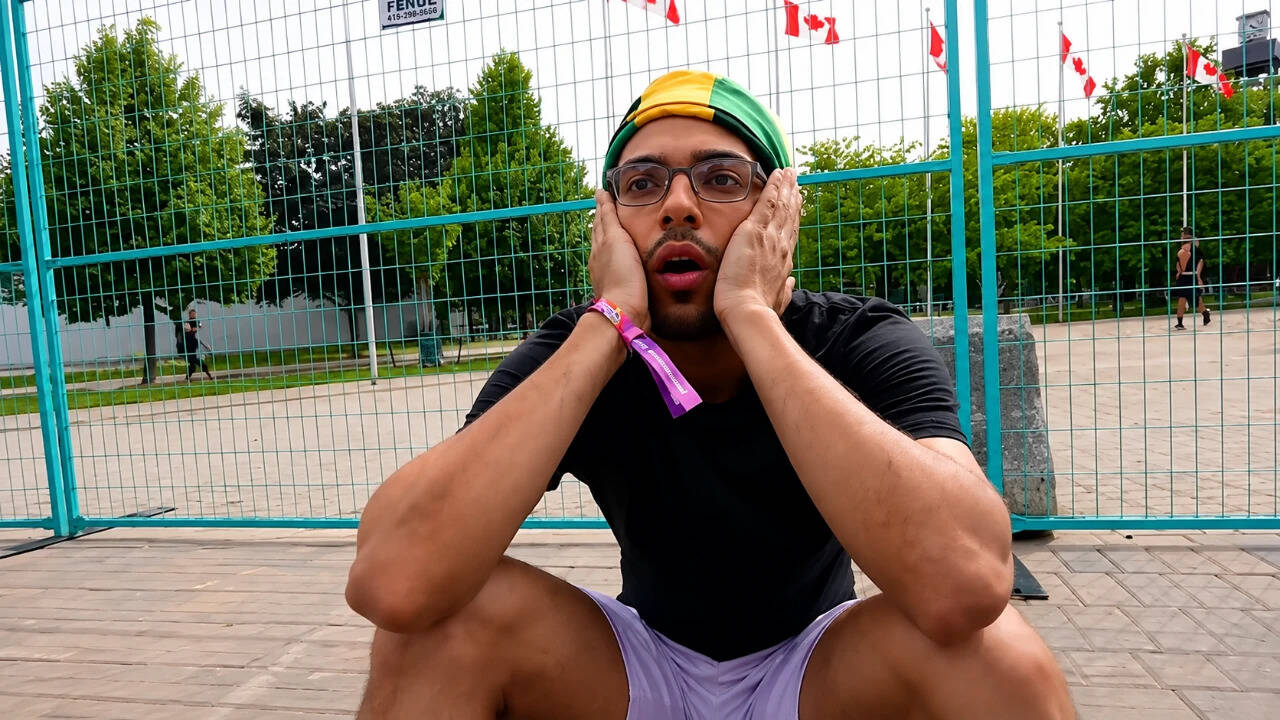
When the 59th annual Toronto Caribbean Carnival—commonly known as Caribana—was marred by an accident involving a golf cart and a pedestrian, the online mob immediately locked onto one target. Kick streamer N3on was in the vehicle, the video cut off after a scream, and the outrage engine whirred into motion.
The lazy consensus across social media and mainstream aggregator sites followed a predictable script. The narrative painted the creator as a reckless interloper orchestrating chaos for views, treating a packed public festival like a Grand Theft Auto server.
Except that story falls apart under the weight of basic verifiable facts.
N3on was not driving. He was not sitting in the front passenger seat. He did not own the vehicle, nor is there any evidence he hired or directed the driver. He was simply a passenger in a transport option authorized and utilized by event logistics in the middle of a massive, congested public parade route.
Blaming a backseat passenger for a vehicular mishap is peak internet illogic. Yet, the mob needed someone to punch, and pointing fingers at a polarizing internet personality is far easier than examining the systemic safety failures of cramming motorized transport into shoulder-to-shoulder pedestrian crowds.
The Reality Of IRL Livestreaming Infrastructure
Critics love to act as though IRL livestreamers operate in a vacuum of pure malice, inventing hazards out of thin air. The truth is much more mundane and much more indictable. Modern streaming culture has transformed public spectacles into content goldmines, but the infrastructure hosting these events has zero adaptation for the digital age.
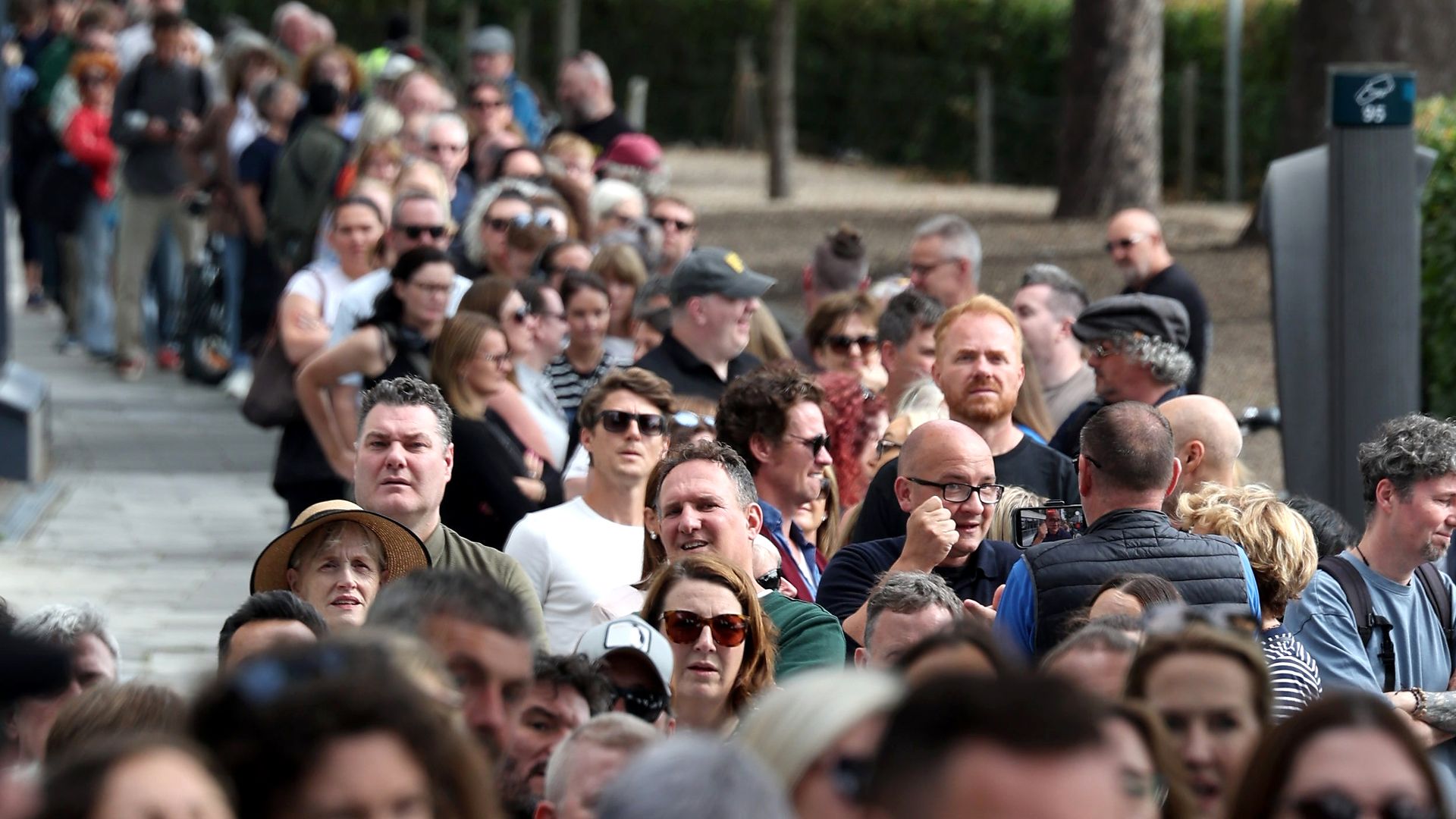
Festivals like Caribana draw millions to urban corridors. Organizers hand out golf carts to staff, security, and VIPs to navigate gridlocked streets. These low-speed electric vehicles are essentially silent heavy-duty blocks of metal moving through oceans of distracted, dancing pedestrians. They possess zero peripheral noise warnings, marginal braking distances when overloaded, and drivers who are often volunteers or stressed event workers trying to cut through impossible human blockades.
When you stick a camera in that environment, you aren't creating the danger; you are simply recording the latent chaos that event organizers normalize every single year.
Imagine a scenario where every single creator with a smartphone decided to boycott public parades tomorrow. The underlying structural hazard—thousands of heavy carts squeezing through tight urban corridors packed with revelers—remains entirely unchanged. The accident mechanism is baked into the logistics, not the stream.
The Outrage Economy And The Burden Of Proximity
The real pathology exposed by the Toronto incident isn't streamer recklessness. It is the public's addiction to collective guilt by proximity.
Because N3on carries an existing reputation for chaotic broadcasts, observers retroactively assigned him command-and-control authority over a vehicle he wasn't operating. When the cart stopped and panic ensued, critics lambmeated him for fleeing the scene or failing to whip out his phone to broadcast the aftermath.
Think about that double standard for a second. If he had kept the camera rolling on an injured person, he would have been flayed alive for digital exploitation and ambulance-chasing content. When he shut the stream down and stepped away to avoid shoving a lens in a victim's face, he was accused of cowardice and evasion.
He literally could not win because the audience did not want an explanation; they wanted a villain.
Let's look at what he actually did post-incident. He stated publicly that he wanted the victim to receive privacy, noted that he had no relationship with the driver, and refused to turn a human tragedy into reality television metrics. By the standards of modern attention-economy shock merchants, choosing not to monetize a crisis is an act of restraint.
Stop Asking The Wrong Questions
The discourse surrounding this event fixates on useless queries. People want to know what N3on said to the driver, how fast the cart was going, and whether his chat was spamming emotes.
Those are distractions.
The questions we should be screaming at event coordinators across the globe are far less comfortable: Why are non-essential motorized vehicles permitted to plow through pedestrian-dense carnival zones during peak parade hours? Where are the hard physical barriers separating heavy logistical transit from civilian crowds? Why do festival committees shrug off pedestrian safety until a headline forces their hand?
As long as organizers treat public streets as free-for-all transit zones for golf carts, accidents are a statistical certainty. Pinning the blame on whoever happens to be holding a gimbal in the backseat is a comforting delusion. It lets the people actually responsible for event safety off the hook.
Stop pretending a backseat passenger controls the wheel. Start looking at the people who handed out the keys.