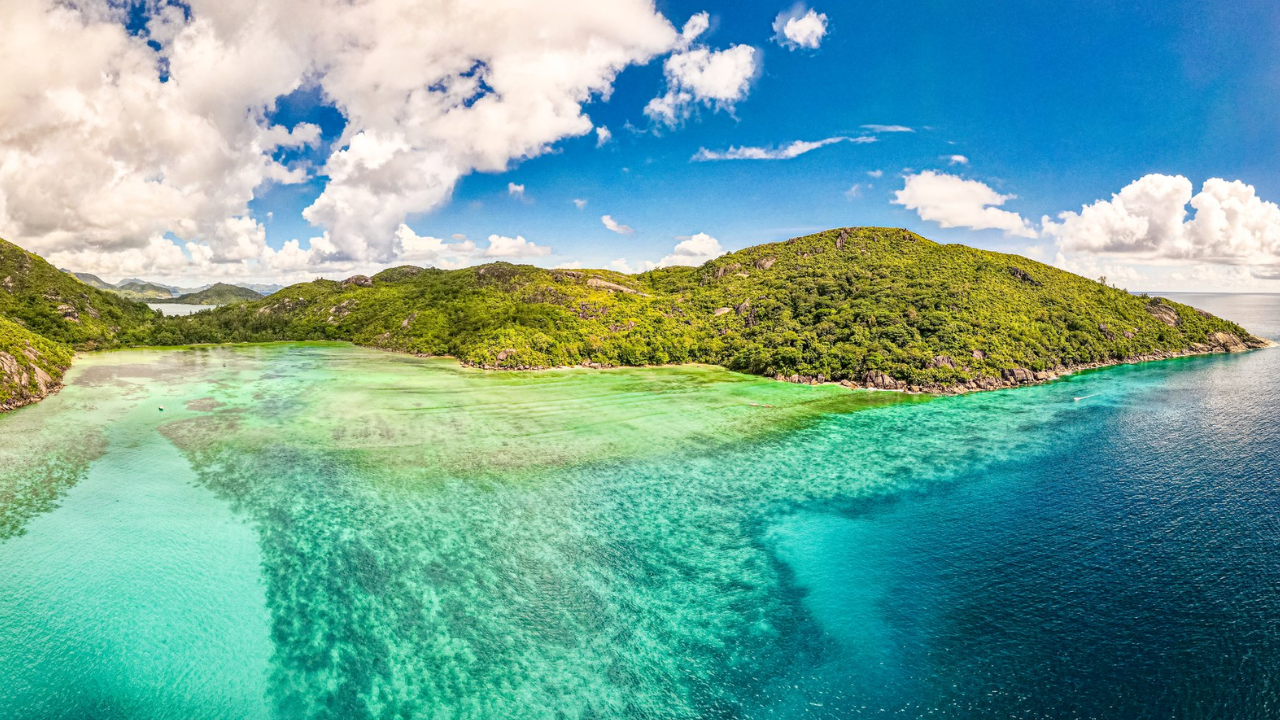
Every tourist season brings the same lazy narrative. Editorial boards and local councils point their fingers at smartphone-wielding visitors taking photos at picturesque lookouts, blaming them for bumper-to-bumper gridlock on island roads. The lazy consensus says we have a visitor numbers problem. We do not. We have an infrastructure management failure disguised as a moral panic about social media.
I have spent two decades advising destination management organizations across the Mediterranean and the Caribbean. I have watched local politicians wave their hands at Instagram influencers while quietly approving massive commercial real estate developments, failing to upgrade single-lane coastal roads built for horse carts, and refusing to implement dynamic public transit systems. It is much easier to blame a twenty-two-year-old making a TikTok video than to admit that your municipal planning department has not updated its traffic flow models since 1984.
Let us dismantle the core premise of the anti-selfie argument.
The Physics of Island Gridlock
Traffic congestion is not caused by people pausing for three minutes to capture a photograph. Traffic congestion is caused by throughput bottlenecks and modal inefficiency.
When an island destination experiences severe vehicle backups, look at what is actually moving down the tarmac. It is almost never fleets of electric micro-buses or high-frequency local shuttles. It is thousands of individual rental cars, each carrying an average of 1.8 passengers, funneled onto a singular coastal artery because local authorities refuse to restrict private vehicle access during peak hours.
+-------------------------------------------------------+
|                THE TYPICAL BOTTLENECK                 |
+-------------------------------------------------------+
|  Traditional Approach : Ban parking near scenic spots |
|  Reality              : Cars still drive, just slower |
|  Effective Fix        : Hard caps on rental vehicles  |
+-------------------------------------------------------+
When cities panic about overcrowding, they implement cosmetic fixes. They put up "No Parking" signs, hire security guards to shoo away photographers, or install concrete barriers. This achieves nothing. The cars still enter the island. They still crawl along the same narrow roads. They just circle the block ten more times looking for a legal spot, exacerbating the exact congestion councils claim to solve.
The Economic Hypocrisy
Let us talk about the money. Destination marketing boards spend millions of dollars globally encouraging travelers to post geotagged photos because organic social media reach is the most powerful customer acquisition engine ever invented. You cannot spend a decade paying influencers to beam your turquoise waters and clifftop sunsets across millions of smartphone screens, and then throw a tantrum when people actually show up to take those exact photos.
This is the fundamental contradiction of modern tourism economics. Destinations want the economic intake of mass tourism without investing in the structural changes required to handle physical volume. They want the hotel occupancy tax, the restaurant VAT, and the car rental revenue, but they want the roads to remain quiet country lanes.
Physics and economics do not work that way. If you expand the top of the funnel through aggressive digital marketing, your bottom-of-the-funnel infrastructure must scale to match. Blaming tourists for responding to economic incentives is like blaming water for flowing downhill.
What Real Destination Management Looks Like
If we want to fix island mobility, we must stop chasing viral scapegoats and start implementing structural friction against private vehicles while removing friction for collective transit.
First, implement hard caps on vehicle imports per day. Major islands already limit ferry passenger capacities during peak seasons; extending this to vehicle transport is a matter of political will, not technical difficulty. Venice proved that managing visitor flow through congestion pricing and entry reservations changes behavioral patterns overnight.
Second, ban traditional car rentals from entering specific heritage zones entirely. Replace them with mandatory peripheral parking hubs connected to high-frequency, app-tracked electric shuttle fleets. If visitors know they must park five miles away and take a seamless, fast public tram or bus to the viewpoint, the private vehicle choke points vanish.
Third, redesign the physical architecture of scenic lookouts. Instead of treating photo spots as traffic hazards, treat them as high-capacity transit nodes. Build dedicated pull-offs with rapid-rotation drop-off zones for tour vans and shuttles, separating pedestrians entirely from the moving lane of traffic.
Stop Crying About Algorithms
The next time a local official claims that social media is destroying island infrastructure, look at the municipal budget. Check how much money was allocated to public transit upgrades versus marketing campaigns. Check how many new rental car licenses were issued by the local chamber of commerce last spring.
The selfie did not clog your roads. Bad governance did. Stop trying to legislate human vanity and start engineering for human volume.