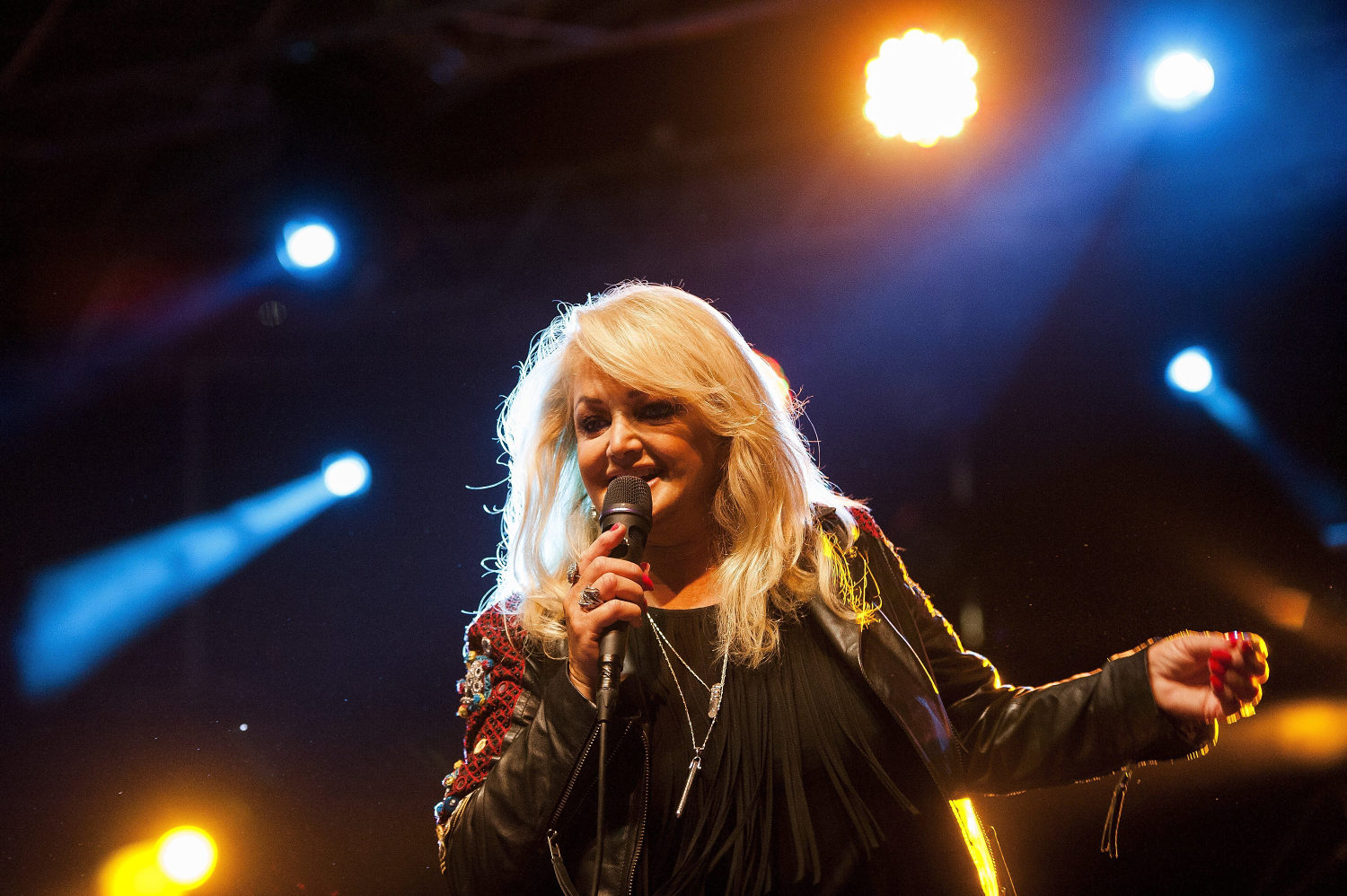
The internet spent the last forty-eight hours mourning a tragedy that never happened. Sensationally fabricated reports claimed that Welsh rock icon Bonnie Tyler had emerged from a coma while remaining critically ill, sending shockwaves through her global fanbase. The story is entirely false. Tyler is not in a coma, nor is she battling a mysterious, life-threatening ailment. This manufactured crisis highlights a dark, highly lucrative ecosystem of digital misinformation that targets aging entertainment legends to exploit the mechanics of programmatic advertising.
To understand how a completely healthy international singer becomes the subject of a viral medical emergency, one must look beyond the individual lie. The anatomy of modern celebrity death and illness hoaxes relies on a sophisticated network of automated scrapers, bad-faith actors, and algorithmic vulnerabilities that mainstream media outlets frequently struggle to combat.
The Anatomy of a Fabricated Medical Crisis
The rumor regarding Bonnie Tyler did not originate from a legitimate press release or a vetted journalistic source. Instead, it surfaced on a cluster of low-tier aggregator websites designed to mimic authentic news portals. These platforms utilize a technique known as algorithmic arbitrage, where trending search terms are combined with high-trigger emotional keywords like "coma," "critical condition," or "unwell" to force their way into automated news feeds.
For a veteran performer like Tyler, whose distinct gravelly voice defined a generation of arena rock through hits like Total Eclipse of the Heart, the audience demographic is intensely loyal and highly active on social platforms. When an auxiliary site publishes a fabricated update about her health, automated systems on social networks immediately flag the high engagement. The algorithm does not check for truth. It only measures velocity. Within hours, a single unverified blog post can be amplified across thousands of personal accounts, creating an illusion of verified fact through sheer repetition.
This cycle is driven entirely by monetization. These parasitic domains are heavily laden with programmatic ad blocks. Every panicked fan who clicks the link to check on Tyler’s condition generates a micro-fraction of a cent for the site operators. When multiplied by hundreds of thousands of unique visitors, a completely fabricated health scare becomes an incredibly profitable venture over a standard forty-eight-hour news cycle.
The Cost of Corporate Silence and Delayed Denials
Public relations strategies in the entertainment industry have historically favored dignified silence when dealing with supermarket tabloids. That legacy playbook is actively failing in the digital space. When a false narrative begins to trend, publicists often hesitate to issue a formal denial, fearing that a statement will give the rumor more oxygen.
This hesitation creates an information vacuum. Search engines are designed to surface fresh content when a specific query sees a massive spike in volume. If the official camp remains silent, the algorithm has no choice but to index the only available material, which happens to be the false reports. By the time a formal retraction or clarification is issued, the original lie has already established a dominant footprint in the digital record.
The emotional toll on the artists and their immediate families is significant, but the structural damage to their professional operations is equally severe. Tour promoters, insurance underwriters, and venue managers monitor health rumors closely. A trending report about a headlining artist being incapacitated can trigger immediate logistical complications, fluctuating ticket sales, and spiked insurance premiums for upcoming live performances.
Why the Music Industry Remains Vulnerable
Legacy artists are particularly vulnerable to these specific types of digital content campaigns. The infrastructure supporting performers who achieved peak success in the late twentieth century is often mismatched against modern web exploitation techniques.
- Fragmented Digital Footprints: Many classic rock and pop icons do not personally manage their verified social media channels, leading to delayed responses when an online crisis emerges.
- Targeted Demographic Exploitation: The core audience for these artists tends to utilize social platforms where misinformation spreads via shared posts within closed communities rather than open, verified threads.
- Algorithmic Blind Spots: Content aggregation networks specifically target names that possess high global recognition but lower daily media coverage, making it easier for a fake story to dominate the specific search topic.
The underlying mechanism relies on a profound flaw in the architecture of modern web distribution. Major platforms have systematically stripped back human curation in favor of automated moderation systems. These systems are easily bypassed by bad actors who alter a few variables in their headlines to avoid automated keyword bans while still conveying the fraudulent message to human readers.
Eradicating the Source of Digital Parasitism
Solving the systemic issue of celebrity health hoaxes requires a fundamental shift in how digital advertising revenue is distributed. As long as ad networks allow unverified domains to monetize sudden spikes in traffic without verifying the underlying claims, the financial incentive to invent tragedies remains absolute.
Brand safety tools utilized by major advertisers must become aggressive enough to blacklist domains that engage in systematic disinformation. Currently, these filters catch blatant hate speech or explicit content but frequently overlook the more subtle, predatory nature of celebrity death hoaxes.
For the audience, the mechanism of defense remains digital literacy and a refusal to engage with unverified aggregators. True investigative reporting and authentic entertainment journalism rely on named sources, official management confirmations, and established institutional accountability. Until the public treats unvetted digital portals with the same skepticism as anonymous graffiti, the industry will continue to watch healthy artists forced to publicly prove they are still alive.