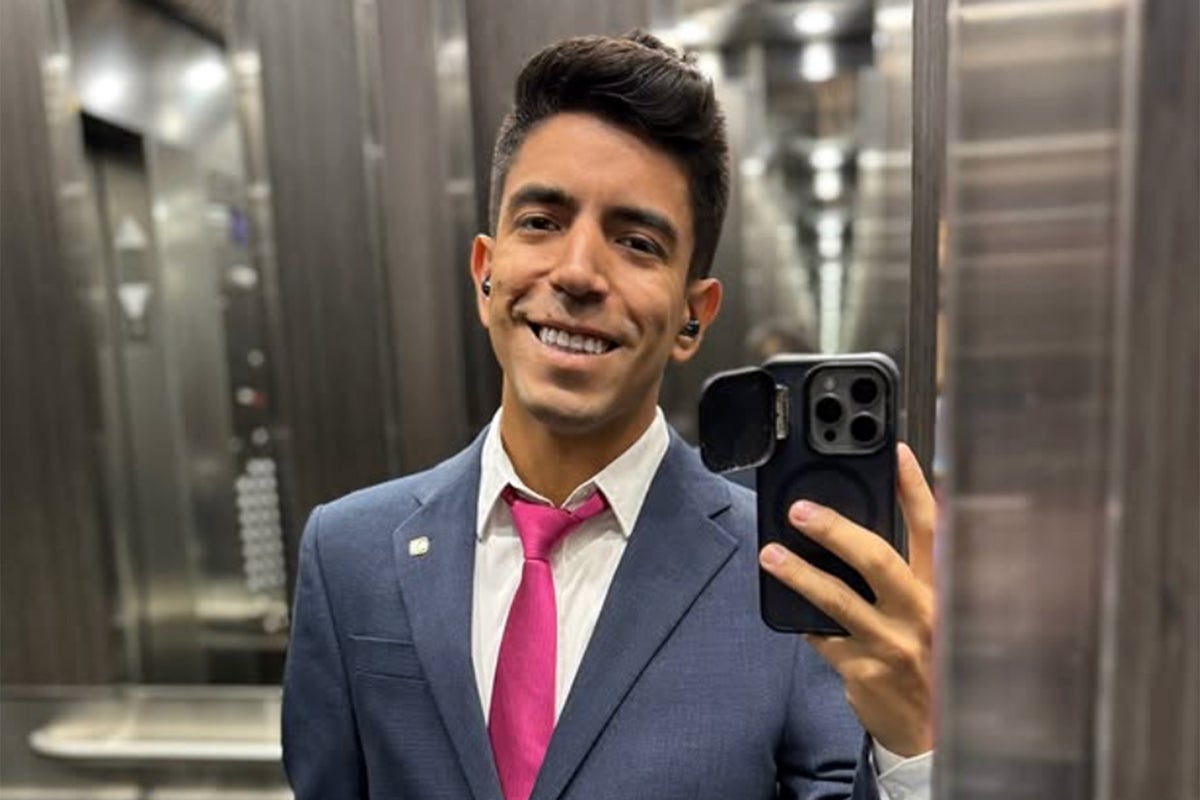
The headlines are predictable. They are designed to trigger an immediate, visceral reaction: outrage. A Canadian adult-film performer claims U.S. Customs and Border Protection (CBP) officers interrogated him about his sexuality, sifted through his digital history, and slapped him with a lifetime ban because they didn't like his lifestyle. It’s a narrative that fits perfectly into the current social climate—a story of institutional bigotry and a "moral police" state.
It is also almost certainly a distraction from the boring, bureaucratic reality of immigration law. For an alternative view, see: this related article.
The "lazy consensus" in these stories is that the border is a theater for personal judgment. It isn't. The border is a giant, uncaring filter for data and intent. When an influencer or an adult-film star gets bounced at the gate, it isn't because the officer is a prude. It’s because the traveler failed the most basic test of international transit: the "Business vs. Pleasure" dichotomy.
The Myth of the Moral Crusade
Let’s dismantle the biggest lie first. CBP officers do not spend their shifts looking for reasons to ban people based on who they sleep with. They spend their shifts looking for "inadmissibility." Further coverage on this matter has been provided by Reuters.
Under the Immigration and Nationality Act (INA), specifically Section 212, there are very clear boxes that need to be checked for someone to be denied entry. Sexuality is not one of them. Professional intent, however, is.
If a Canadian citizen enters the U.S. as a tourist, they are under a B-1/B-2 status. You cannot work. You cannot "generate content" that has a commercial purpose. You cannot even look like you are planning to work. When an adult-film performer—someone whose entire brand is built on being a public figure—crosses the border, they are a walking red flag.
The interrogation isn't about "morality." It’s about "immigrant intent" or "unauthorized labor." If an officer asks about your work history or your online presence, they aren't being nosy; they are building a case that you are entering the country to engage in commerce without a P-1 or O-1 visa.
The Digital Footprint Trap
The performer in question complained that officers went through his phone. People act as if this is a gross violation of constitutional rights. Here is the cold, hard truth: You have no Fourth Amendment rights at the border.
The Supreme Court has consistently upheld the "border search exception." This allows officers to search electronic devices without a warrant. If you have an OnlyFans, a massive Instagram following, or a Twitter account dedicated to your "tour," you have already provided the government with all the evidence they need to bar you.
Imagine a scenario where a software engineer tells a border guard they are "just visiting friends" but their LinkedIn says they are "Excited to start a new project in San Francisco!" next week. That engineer is getting turned around. Why do we expect adult-film stars to be treated differently?
The mistake isn't the officer's "bias." The mistake is the traveler's arrogance in thinking their digital trail doesn't count as evidence of intent. If you have "DM for bookings" in your bio and you’re crossing into the U.S. on a tourist visa, you are effectively begging for a ban.
The 212(a)(2)(D) Reality Check
There is a specific, often misunderstood clause in U.S. immigration law: INA 212(a)(2)(D). It deals with "Prostitution and Commercialized Vice."
Critics love to point to this as proof of a "purity test." In reality, this clause is used as a catch-all for anyone involved in the sex industry who cannot prove their visit is purely 100% recreational. Because the U.S. federal government still views many aspects of the adult industry through a lens of "vice," any ambiguity in your story allows an officer to lean on this statute.
It’s not "fair." It’s the law.
If you are an industry insider, you know that the "quizzing about sexuality" is often a clumsy attempt by an officer to establish if the traveler is involved in "commercialized vice" (escorting or performing) within U.S. borders. Is it invasive? Yes. Is it based on a personal vendetta against the LGBTQ+ community? Highly unlikely. It’s a scripted search for a specific legal violation.
Why "Influencer" Status is a Liability
We are seeing a massive spike in these "border horror stories" because the line between "life" and "content" has vanished.
In the old days, you were either a tourist or a worker. Today, if you are a creator, your very existence is a commercial enterprise. If you take a selfie at a pool in Vegas and post it to a monetized platform, are you working? To a strict CBP officer, the answer is "Yes."
The performer’s ban wasn't a "hit job" on his identity. It was a failure to navigate the friction between a 1950s-era legal framework and a 2026 digital economy.
When you get banned from the U.S. for life, it’s rarely for one single answer. It’s for "Material Misrepresentation." If the officer asks "Are you here to work?" and you say "No," but your phone shows a scheduled shoot or a list of "collabs," you just committed fraud in the eyes of the law. That is what triggers the lifetime ban—the lie, not the porn.
Stop Victimizing the Bureaucracy
The loudest voices in this conversation want to make it about a "culture war." They want to frame the U.S. border as a dark, homophobic gauntlet. This framing is dangerous because it encourages other creators to be "brave" and "authentic" at the border instead of being smart.
The border is not the place for your activism. It is not the place to "stand your ground" regarding your lifestyle. It is a checkpoint where you must prove you are not a threat to the labor market or the legal statutes of the host country.
If you want to enter the U.S. as an adult performer, get an attorney. File for an O-1 visa for "individuals with extraordinary ability or achievement." Yes, it’s expensive. Yes, it’s a bureaucratic nightmare. But it’s the only way to ensure your "past" doesn't become a permanent barrier.
The Hard Truth About Entry
Entry into a foreign country is a privilege, not a right.
The performer claiming he was "targeted" is likely ignoring the three hours of circular logic and inconsistent stories he gave the officer before the "sexuality" questions even started. Officers pivot to personal questions when the professional story doesn't add up. It’s a standard interrogation tactic: get the subject off-balance to see if the lies crumble.
We have to stop treating these stories as human rights violations and start treating them as cautionary tales of poor preparation. The U.S. government doesn't care about your OnlyFans nearly as much as it cares about you skipping the visa line.
Don't blame the guard for doing the job the statute requires. Blame the "influencer" culture that tells people they can ignore federal laws as long as they have a following and a smartphone.
If you show up at the border with a professional digital footprint and a tourist’s story, you aren't a victim of a crusade. You’re just bad at your job.
Delete your apps, wipe your cloud, or get the right visa. Pick one. Because the "border guard is a bigot" excuse won't get you past the secondary screening room, and it certainly won't get your entry permit back.
The border isn't a stage for your brand; it's a gate. Learn how to open it or stay home.