Dust does not care about lines drawn on paper.
A sudden gust sweeps across the plains of the Indo-Nepal frontier, carrying yellow dirt from a dry riverbed in Bihar straight into the courtyard of a brick home in Rupandehi. To the earth, there is no boundary here. To the people who wake up beneath that dust, the boundary is everything. It is a checkpoint, a flashing blue light, a dispute over a stone pillar buried somewhere in the tall grass, and sometimes, a sudden flare of stones thrown in the dark.
We talk about international relations as if they exist solely in air-conditioned boardrooms in New Delhi and Kathmandu. We speak of geopolitics, bilateral treaties, and trade corridors. But geopolitics smells like woodsmoke and sweat at five in the morning. It sounds like the anxious chatter of two merchants standing beside a wooden cart piled high with sacks of rice, wondering if the border gate will open today or stay bolted shut because of a rumor three districts away.
Consider the Open Border Treaty of 1950. On paper, it is a magnificent gesture of fraternity. Millions of citizens cross freely every day for work, marriage, medical care, and family feasts. There are no massive walls, no hostile trenches, no armed patrols every ten feet. For generations, this porous expanse has operated on a simple, fragile trust.
Then reality intervenes.
Walk through a border village during a monsoon evening, and you begin to understand the invisible friction points. Take Ramesh, a hypothetical farmer whose family has tilled the same patch of fertile silt for sixty years. Half his ancestral plot sits legally in India; the other half stretches across an unmarked boundary into Nepal. For decades, nobody cared. His grandfather paid taxes on the south side and bought fertilizer on the north side, and life flowed like the local rivers during the rains—steady, predictable, and shared.
Now, tension lives in the air.
Why do sectarian and local clashes keep erupting along this line? The answer is not a single headline. It is a slow accumulation of small pressures, changing economics, and the sudden hardening of what used. to be soft edges.
First, scarcity changes neighborliness. As populations grow and arable land shrinks, every square meter of soil becomes a matter of survival. When a flood shifts the course of a border river—such as the Mechi or the Mahakali—it does not just wash away mud. It alters sovereignty. If the river moves fifty meters south, does the land belong to the farmer on the Indian side or the Nepali side? When a local authority tries to fix a pillar or build an embankment to protect a village, the neighboring village across the invisible line feels threatened. They see water being pushed toward their doorsteps. Fear breeds hostility. Stones are thrown.
Second, the weaponization of identity alters the neighborhood. In an era where hyper-nationalism echoes loudly on television screens and social media feeds, local disputes rarely remain local. A petty argument between two youths at a tea stall over a motorcycle collision can be instantly inflated. Algorithms and partisan amplifiers strip away the nuance, turning a neighborhood squabble into a symbolic battleground of national honor. People who have shared weddings, funerals, and festivals for decades suddenly find themselves squinting at each other through the lens of suspicion.
Security dynamics add another layer of weight. Smuggling networks—dealing in everything from subsidized fuel to illicit narcotics—exploit the very openness that makes the border a blessing. When law enforcement cracks down, the friction spills over onto ordinary residents. Checkpoints multiply. Identity cards are demanded with rising frequency. The daily commute of a seamstress crossing from Nepal to work in an Indian textile workshop turns into an ordeal of questioning and delays. Dignity gets chipped away, one checkpoint at a time.
Frustration builds.
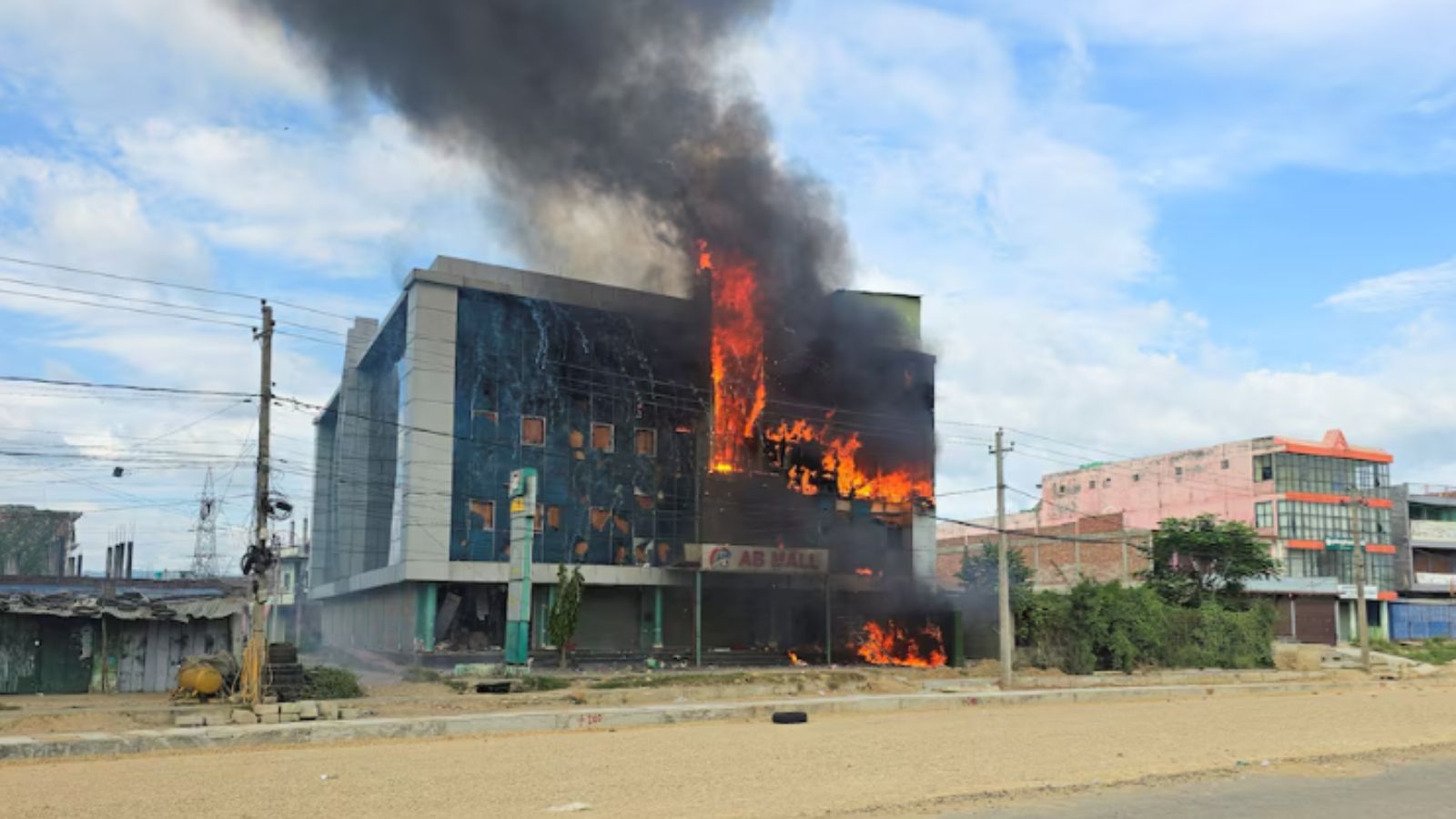
And when frustration reaches a tipping point, it needs somewhere to go. A rumor spreads through WhatsApp that a citizen was mistreated across the line. A crowd gathers. Shouting matches escalate. Before anyone can reach for reason, the air fills with bricks, tear gas canisters hiss against the asphalt, and the fragile architecture of coexistence cracks wide open.
Yet, look closer at the aftermath of these flare-ups.
Within forty-eight hours of a violent clash, elderly village elders from both sides invariably meet beneath the shade of a massive banyan tree halfway between the security outposts. They drink sweet milk tea from clay cups. They speak in overlapping dialects of Bhojpuri and Maithili. They apologize for the hot-headedness of their youth. They figure out a way to let the vegetable carts through again.
The state relies on fences, patrols, and protocols. The people rely on each other.
That is the quiet tension of the Indo-Nepal border. It is a perpetual negotiation between the cold machinery of nation-states and the stubborn warmth of human interdependence. As long as policies ignore the everyday reality of those who live in the shadow of the border pillars, these flashes will continue to spark, fueled by misunderstandings and amplified by modern noise.
The dust settles over the road once more. A stray dog trots across the invisible line, completely undisturbed by the flags flying overhead.