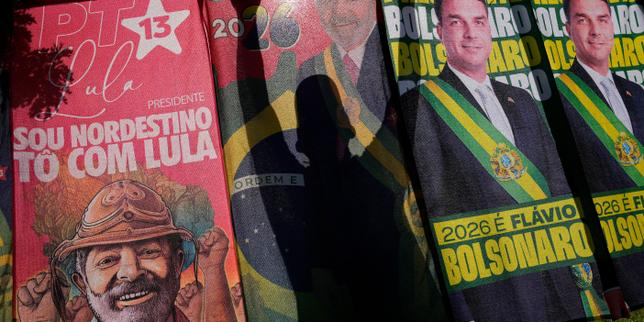
Elections in Latin America's largest democracy rarely follow predictable scripts. When voters head to the ballots, the resulting maps often reveal stark socio-economic and cultural fault lines. The contest between Luiz Inácio Lula da Silva and the Bolsonaro political clan laid bare a country split not just geographically, but philosophically. Understanding this fracture requires looking beyond simple vote counts and examining the underlying tensions that define contemporary Brazilian society.
The Geography of Discontent
Urban centers and rural regions rarely speak the same political language. In recent electoral cycles, this divide has hardened into permanent camps. Industrial heartlands, agrarian powerhouses, and metropolitan peripheries each experience economic policy and social change through vastly different lenses. Discover more on a similar subject: this related article.
Industrial hubs in the southeast often grapple with the pressures of global trade shifts and urban security concerns. Meanwhile, agricultural frontiers in the center-west view environmental regulations and land reform through the lens of economic survival and property rights. These divergent daily realities shape distinct political priorities, making national unity an elusive goal for any administration.
Economic Realities on the Ground
Macroeconomic indicators tell only part of the story. Inflation, employment rates, and purchasing power dictate voter sentiment far more effectively than abstract fiscal policy. For working-class families in densely populated suburbs, the primary concern remains the cost of basic goods and access to reliable public services. More reporting by NPR highlights comparable views on the subject.
Welfare programs have historically built strong loyalty among lower-income demographics. Yet, the rise of an entrepreneurial informal economy has created a new class of self-employed workers who value autonomy and fiscal conservatism over state-led safety nets. This socio-economic shift explains why traditional labor strongholds no longer vote as a single monolithic block.
Cultural Fault Lines and Information Ecosystems
Beyond economics, cultural values and information consumption play a decisive role in shaping political allegiance. Traditional media outlets once held a monopoly on public discourse, but digital platforms and messaging applications have decentralized the flow of news.
Communities across the country now consume vastly different narratives regarding governance, family values, and institutional integrity. This fragmentation of truth makes consensus nearly impossible. When two segments of the population operate from entirely separate sets of verified facts, political compromise transforms into an existential struggle.
Bridging these gaps demands more than policy adjustments. It requires rebuilding trust in democratic institutions that many citizens feel have abandoned them. Until the root causes of this polarization are addressed, election results will continue to reflect a nation at war with itself.