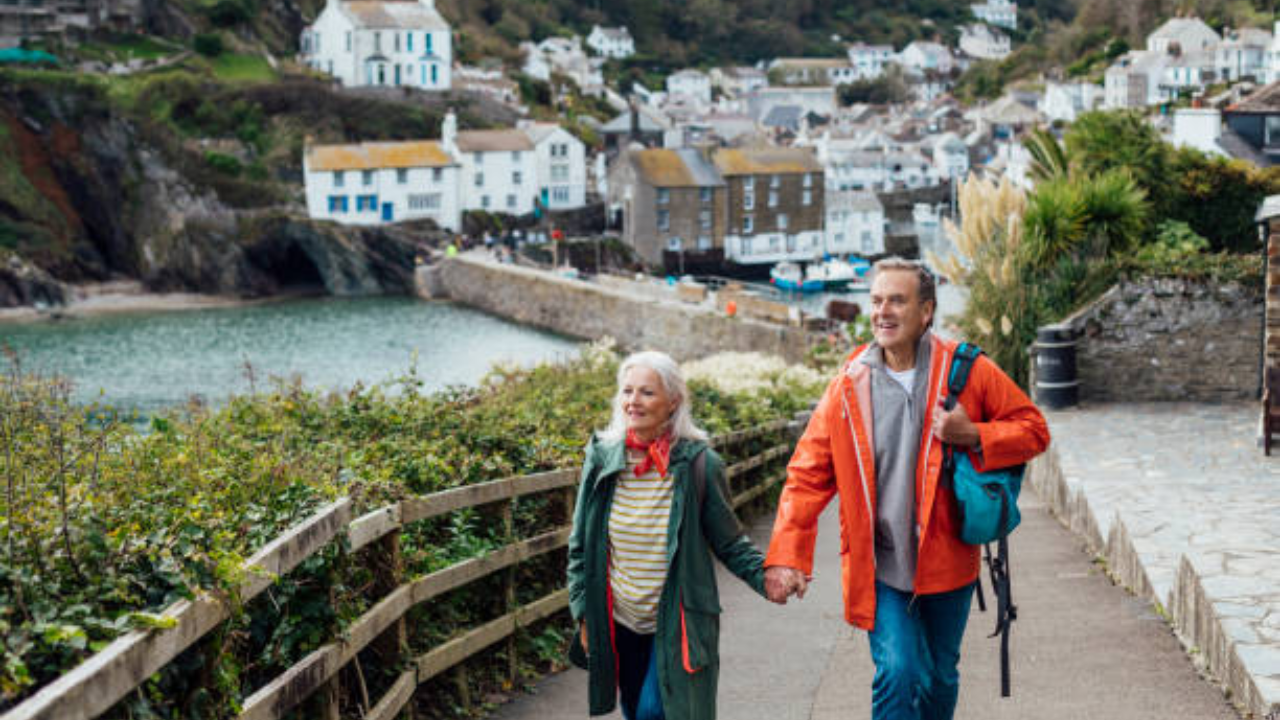
The British summer holiday was once a fixed point in the national calendar, an immovable feast of Mediterranean sun and duty-free spirits. But that certainty has dissolved. As of April 2026, the traditional overseas getaway is no longer a default choice for a plurality of the population. Data from the first quarter of the year reveals a sharp pivot in consumer behavior, with 52% of Britons now opting for domestic staycations over foreign travel. This is not merely a reaction to a temporary price hike; it is a fundamental restructuring of how a nation spends its leisure time and capital.
The Death of the Budget Flight
For three decades, the low-cost carrier model provided an illusion of permanent affordability. That era is over. A combination of surging jet fuel costs—driven by ongoing geopolitical instability in the Middle East—and new environmental levies has pushed the "entry-level" price of a family flight to Spain or Greece beyond the reach of the median household.
Industry analysts point to a 16% year-on-year increase in average flight prices as of March 2026. While airlines have spent years absorbing minor fluctuations, the current fuel supply squeeze has forced a total pass-through of costs to the consumer. In response, airline spending fell by 4.1% in the last month alone, the first sustained decline since the 2021 recovery. The result is a travel market that is bifurcating. The wealthy continue to fly, while the middle and working classes are forced to "ring-fence" their dwindling discretionary income, often finding that the fence only fits a trip within the UK.
The Rise of the Micro-cation
The week-long or fortnight-long break is being replaced by the "micro-cation." Modern travelers are increasingly booking shorter, more frequent stays of three nights or fewer. Statistics show that 48% of all UK domestic bookings in 2026 fall into this category.
By shortening the duration, households can justify higher nightly spends on luxury rentals or boutique hotels without the massive upfront cost of a long-haul flight. It is a tactical retreat. Instead of one £4,000 trip to the Algarve, families are opting for three £800 weekends in the Lake District or the Scottish Highlands. This shift has benefited the domestic hospitality sector significantly, with hotel and resort spending rising by 1.2% in March, even as broader non-essential spending stagnated.
Domestic Tourism as a Luxury Pivot
There is a common misconception that staycations are a "budget" alternative. In reality, the UK domestic market has become a premium arena. Average spend per night on a UK trip hit £107 recently, and in high-demand pockets like Cornwall and the Cotswolds, prices for self-catering cottages have remained stubbornly high despite a slight cooling in general inflation.
Demand Inversion
Waitlists for premier UK destinations now rival those of exclusive European resorts.
- Scotland remains the primary aspirational destination, with 62% of domestic travelers ranking it as their top choice.
- The South West continues to dominate the summer months, with booking windows for Cornwall extending 180 days in advance.
- The "Sentiment Destinations" like the North York Moors are seeing record-high interest from travelers seeking "quiet tourism" and nature-heavy itineraries.
While the cost of a domestic holiday can occasionally exceed a package deal to Turkey, the lack of "hidden" costs—airport parking, baggage fees that now average £37 per bag, and aggressive tourist taxes in cities like Venice and Athens—makes the UK option more predictable. For the modern consumer, predictability is a currency of its own.
The Geopolitical Shadow
It would be a mistake to view the staycation boom solely through an economic lens. Anxiety is a powerful deterrent. With 57% of UK adults expressing concern over potential international travel disruption due to global conflicts, the psychological safety of the "home" holiday has never been more attractive.
We are seeing the emergence of "defensive booking." Travelers are waiting longer to commit to overseas trips, with 24% of breaks now booked within a month of departure. This volatility is a nightmare for tour operators but a boon for the UK’s flexible rental market. When the news cycle is dominated by fuel shortages and flight cancellations, a car journey to a Welsh cottage feels like the only variable one can actually control.
The Inheritance Shift
A fascinating demographic shift is also providing a floor for the domestic market. A growing segment of "SKInners" (Spending Kids’ Inheritance) is opting for shared family experiences over traditional wealth transfer. Nearly 55% of respondents in recent surveys stated they would rather spend on immediate family memories than leave a larger inheritance. These multi-generational groups are the backbone of the large-scale rental market in the UK, often booking "Party Houses" or converted barns that accommodate twelve or more people, effectively subsidizing the cost of the trip across several adult incomes.
The Infrastructure Bottleneck
The surge in domestic demand has exposed the fragility of the UK’s own tourism infrastructure. While the shift is a windfall for local economies, it has led to a "peak-on-peak" problem. Seaside towns are struggling to manage the influx of day-trippers and short-stay visitors, leading to increased local friction and calls for domestic "tourist taxes" similar to those seen in Continental Europe.
Furthermore, the quality gap remains a risk. For the staycation trend to hold, the UK hospitality industry must move beyond the "captive audience" mindset of the pandemic years. High prices are only sustainable if the service and experience match the cost. With 71% of Gen Z planning a UK holiday this year, the industry is facing a younger, more discerning customer who values food quality, digital integration, and unique "passion-led" activities over simple proximity.
The great realignment of British travel is not a temporary blip. It is the rational response of a population navigating a high-cost, high-risk global environment. The "staycation" has shed its image as a consolation prize and has become a calculated, strategic choice for the majority.
Pack the car. The Mediterranean can wait.


