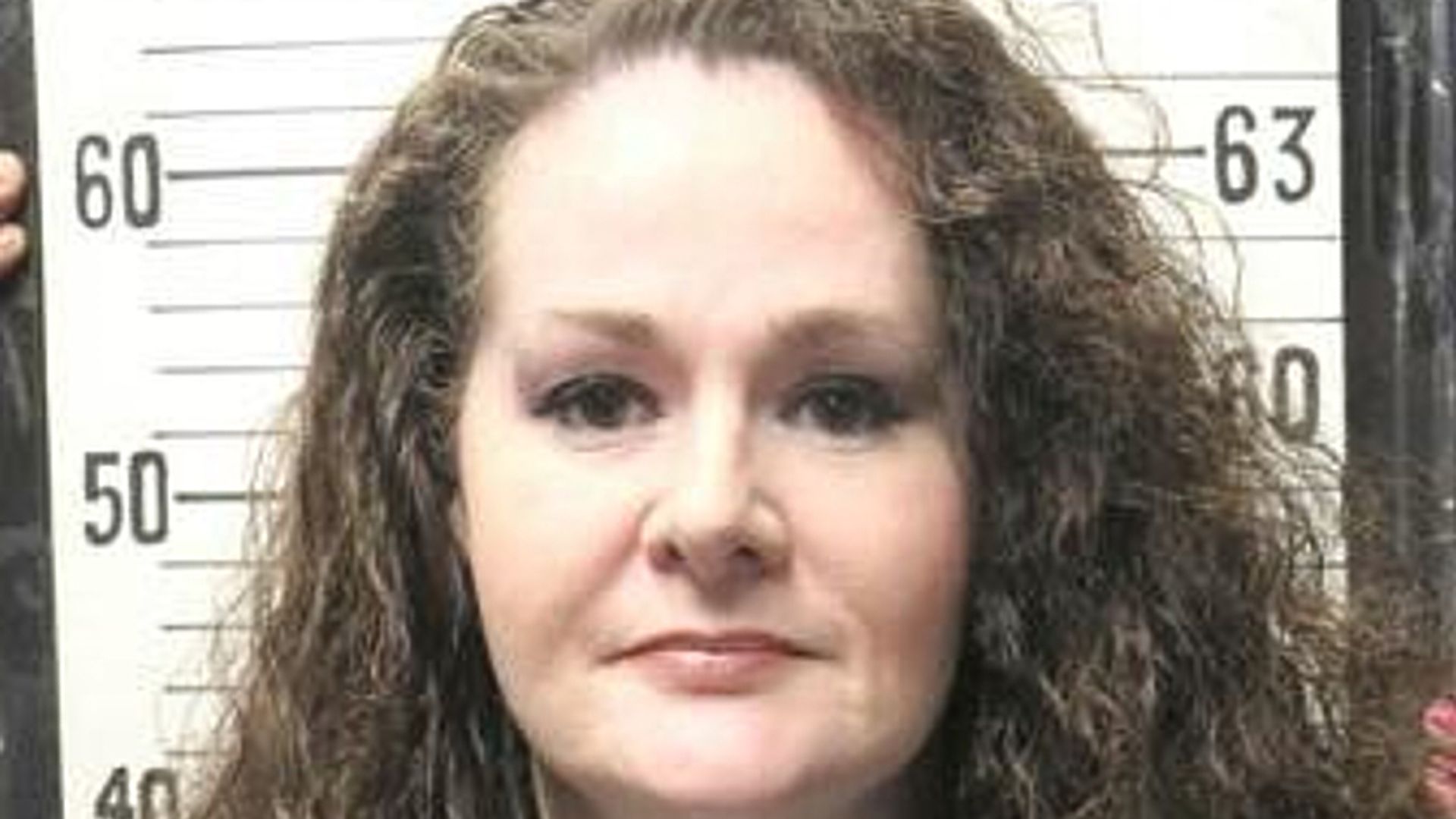
The machinery of state-sanctioned death is designed to be invisible, clinical, and absolute. On September 30, 2026, that machinery broke down in a Tennessee execution chamber in a manner unprecedented in modern American history. Christa Pike, sentenced to death three decades ago, did not die after being administered lethal doses of pentobarbital. Instead, she survived a complete execution attempt, waking up days later in an outside hospital.
Her survival shifted the conversation from legal abstractness into a brutal physical reality. When her legal team announced that she was conscious, speaking, and grappling with severe burns and blisters on her arms where the drugs pooled instead of entering her bloodstream properly, the state's internal crisis spilled into public view. Meanwhile, you can explore related developments here: Inside the Shadow Breakouts Threatening Public Trust.
This incident exposes deep systemic vulnerabilities in how capital punishment is administered, forcing courts, legal scholars, and the public to confront questions that have no clean procedural answers.
The Mechanics of Failure
Capital punishment relies on an uninterrupted chain of technical precision. When that chain snaps, the consequences are immediate and severe. According to legal filings and witness accounts, execution teams spent over an hour attempting to establish intravenous lines, warning that her veins were prone to collapsing. Despite these red flags, the protocol moved forward. To see the complete picture, we recommend the recent article by World Health Organization.
Pentobarbital was administered. When an inmate does not succumb within the designated window, backup protocols dictate subsequent doses. Pike received two doses. Yet, rather than inducing rapid unconsciousness and cardiac arrest, the drugs failed to course correctly through her circulatory system.
Medical experts consulted by defense teams noted that subcutaneous or intramuscular pooling of lethal agents causes localized tissue necrosis, burning, and excruciating localized agony before systemic effects can take hold. Witnesses observed her moving, speaking, and reacting to pain long after the process began.
The state's attempt to shroud the execution supplies in secrecy—refusing to permit independent inspection of the leftover pentobarbital lot—highlights an inherent tension between state execution secrecy laws and public accountability. When transparency is blocked by statutory privilege, operational failures are obscured until a catastrophic breakdown forces public disclosure.
The Uncharted Legal Maze
Pike's survival places the American judicial system in completely uncharted territory. Historically, botched executions that resulted in halted procedures—such as those involving compromised IV lines where no drugs were ultimately pushed—led to postponed execution dates. None of those previous cases involved a prisoner who actually absorbed or received the full prescribed chemical regimen and lived to tell the tale.
Constitutional scholars are now divided over what comes next. Two primary legal arguments dominate the discourse.
First is the prohibition against cruel and unusual punishment under the Eighth Amendment. Can a state subject a human being to a second execution attempt after the first resulted in severe physical trauma, chemical burns, and psychological torture? Legal analysts point out that forcing an individual back onto the gurney after surviving the state's lethal apparatus crosses the threshold of gratuitous cruelty.
Second is the complex question of double jeopardy and completion of sentence. The state intended to carry out a final sentence; it executed every step of its written protocol, albeit with catastrophic procedural failure. The argument that the state exhausted its single legal attempt to execute the sentence contends against the traditional view that an uncompleted or interrupted death sentence remains legally valid until the person is dead.
Furthermore, competency to be executed presents another barrier. The profound psychological and physical trauma of waking up alone in a hospital bed, coupled with severe cognitive and emotional distress, complicates any future assessment of whether an inmate understands the nature of their punishment.
The Policy Aftershocks
The fallout from the Riverbend facility extended far beyond a single courtroom. Outgoing Tennessee Governor Bill Lee announced a pause on all remaining executions for the year and ordered an independent, third-party review of the protocols. The state's top prison official resigned in the wake of the catastrophe.
Simultaneously, political figures aligned with capital punishment have responded by calling for alternative execution methods, such as nitrogen hypoxia or firing squads, arguing that the failure of lethal injection logistics should not halt the implementation of capital sentences. This reactionary push underscores an ideological entrenchment: rather than questioning the viability of state killing, proponents seek technical workarounds to ensure administrative success.
Meanwhile, Pike was discharged from the hospital and returned to the Deborah K. Johnson Rehabilitation Center, where she has spent the last three decades. In a statement dictated to her lawyers a month after the ordeal, she described a daily existence dominated by persistent physical pain in her arms, hands, and throat, alongside the psychological weight of surviving a night she expected to be her last.
The apparatus of capital punishment claims to offer a clean, bureaucratic separation between justice and state violence. The reality on September 30 proved otherwise. It revealed a process dependent on fragile human execution teams, opaque supply chains, and chemical protocols prone to violent error. As courts weigh the preservation of evidence and the legality of any future attempts, the state faces an uncomfortable truth. When the machinery of death malfunctions, it leaves behind not closure, but an enduring moral and legal wreckage.
Christa Pike now conscious and speaking following failed execution
This video report provides additional context regarding Christa Pike regaining consciousness and speaking to her legal representatives after surviving the lethal injection attempt.


