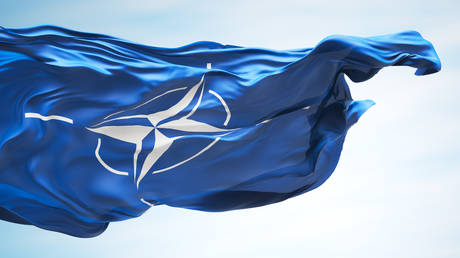
Dawn in Brussels rarely looks dramatic. Most mornings, it arrives as a cold, stubborn mist pressing against the glass of drab conference rooms where coffee cups pile up by eight in the morning. Men and women in dark suits shuffle papers, check wristwatches, and speak in acronyms. To the casual observer, it is bureaucratic theater.
Yet, tucked inside those sterile corridors sits an agreement drafted over seventy years ago. A single sentence meant to prevent the world from tearing itself apart for a third time.
Article 5.
Mention it in a university lecture, and it sounds absolute. An attack on one is an attack on all. It is recited like an ironclad guarantee, a planetary forcefield protecting thirty-some nations from the dark. People picture a wall of tanks, synchronized sirens, and a synchronized roar of retaliation the microsecond a hostile shell crosses a border.
Except that is not how it works.
Close your eyes and imagine a cold Tuesday night in a sleepy village near the eastern edge of Europe. A distant flash. A tremor that rattles teacups on kitchen tables. No sirens blare immediately. For a few terrifying hours, there is only static on the radio and a profound, suffocating silence. The local mayor picks up a secure telephone, his hands shaking slightly against the receiver. He is not calling a global strike force. He is calling a switchboard operator in Belgium.
That is the reality we rarely talk about.
When the North Atlantic Treaty was signed in Washington back in 1949, the architects of the post-war order faced a terrifying puzzle. How do you bind sovereign nations together so tightly that no aggressor dares test them, without accidentally handing an obscure border skirmish the power to trigger total annihilation?
The answer was a masterclass in diplomatic ambiguity.
Article 5 does not automatically deploy troops. It does not mandate a nuclear strike. Under the precise text of the treaty, each member nation promises to take "such action as it deems necessary, including the use of armed force."
Read that phrase again. As it deems necessary.
Those four words change everything. They transform a seemingly automatic panic button into a political negotiation. If a small cyberattack shuts down a power grid in a Baltic state, does a nation thousands of miles away owe thousands of lives in response? Legally, no. They owe action. But that action could range from a strongly worded diplomatic protest and economic sanctions to a full-scale military mobilization.
The brilliance—and the terror—of Article 5 lies in that uncertainty.
Historians like to look at treaties as monuments of parchment, static and permanent. But treaties are living, breathing things shaped by human panic, economic pressure, and shifting political winds. When the treaty was invoked for the very first time in history, it did not happen on the plains of Europe.
It happened on a crisp September morning in New York City.
The year was 2001. Towers fell. Dust choked the sky. The shockwave reached across the Atlantic faster than any fiber-optic cable, slamming into the headquarters of the alliance. For the first time, European allies looked at Washington and said the words: An attack on one is an attack on all.
It was an emotional earthquake. Nations that had spent decades glaring across the Iron Curtain suddenly lowered their defenses. Fighter jets bearing foreign flags patrolled American skies. Ships crossed oceans.
Yet, even then, the friction was palpable. Solidarity is easy to proclaim in a moment of shared grief; it is much harder to sustain when the bills come due, when objectives blur, and when the original enemy morphs into a dozen invisible shadows. The invocation of Article 5 proved that the alliance could hold together under immense strain, but it also exposed the messy, complicated machinery required to make thirty different democracies agree on what justice looks like.
Consider what happens when the hypothetical threat shifts from falling towers to creeping gray-zone tactics. Disinformation campaigns. Sinking fishing trawlers in international waters. Cutting undersea internet cables in the dead of night.
These are acts of war by a thousand paper cuts. Each individual cut feels too small to justify starting a global conflict. A government hesitates. Intelligence agencies argue behind closed doors. Ministers leak conflicting statements to the press. The public watches the news ticker, terrified and confused, waiting for a definitive line to be drawn.
That hesitation is what keeps strategists awake at night.
Deterrence is not a physical object you can touch. It is entirely psychological. It lives in the mind of an aggressor sitting in a grand office, staring at a map, running a simple calculation: If I move now, what happens next?
If the aggressor believes Article 5 is a magical shield that automatically triggers a wall of fire, they might pull back. But if they realize Article 5 is a political consensus requiring thirty distinct parliaments to vote, debate, and compromise while bombs are falling, the calculation changes. Doubt creeps in. And in geopolitics, doubt is an invitation.
We forget that institutions do not protect us; people do. Ordinary analysts working night shifts. Diplomats swallowing their pride in smoke-filled back rooms. Soldiers standing watch in freezing rain, wondering if today is the day the rhetoric turns into reality.
The true power of the alliance has never been the automaticity of its weapons. It is the stubborn, exhausting, beautiful human choice to care about what happens to a neighbor three countries away. It is the agreement that despite different languages, different histories, and endless political squabbling, a line exists where we refuse to look away.
The mist clears over Brussels. The conference room lights buzz. Another memo is drafted. Another compromise is struck. Out there in the dark, the world keeps spinning, held together not by infallible machinery, but by the fragile, enduring promise that we are not entirely alone.


