Two families in Saskatoon began their Easter weekend planning for Sunday dinners and spring celebrations, but by Saturday afternoon, they were instead navigating the bureaucracy of sudden death. Two separate, unrelated tragedies—a house fire in the Riversdale neighborhood and a violent vehicle rollover on a Highway 16 ramp—claimed two lives and sent three more young people to the hospital with serious injuries. While the police reports describe these as isolated incidents, they expose a recurring reality for a city that often sees its most festive weekends marred by a spike in preventable trauma.
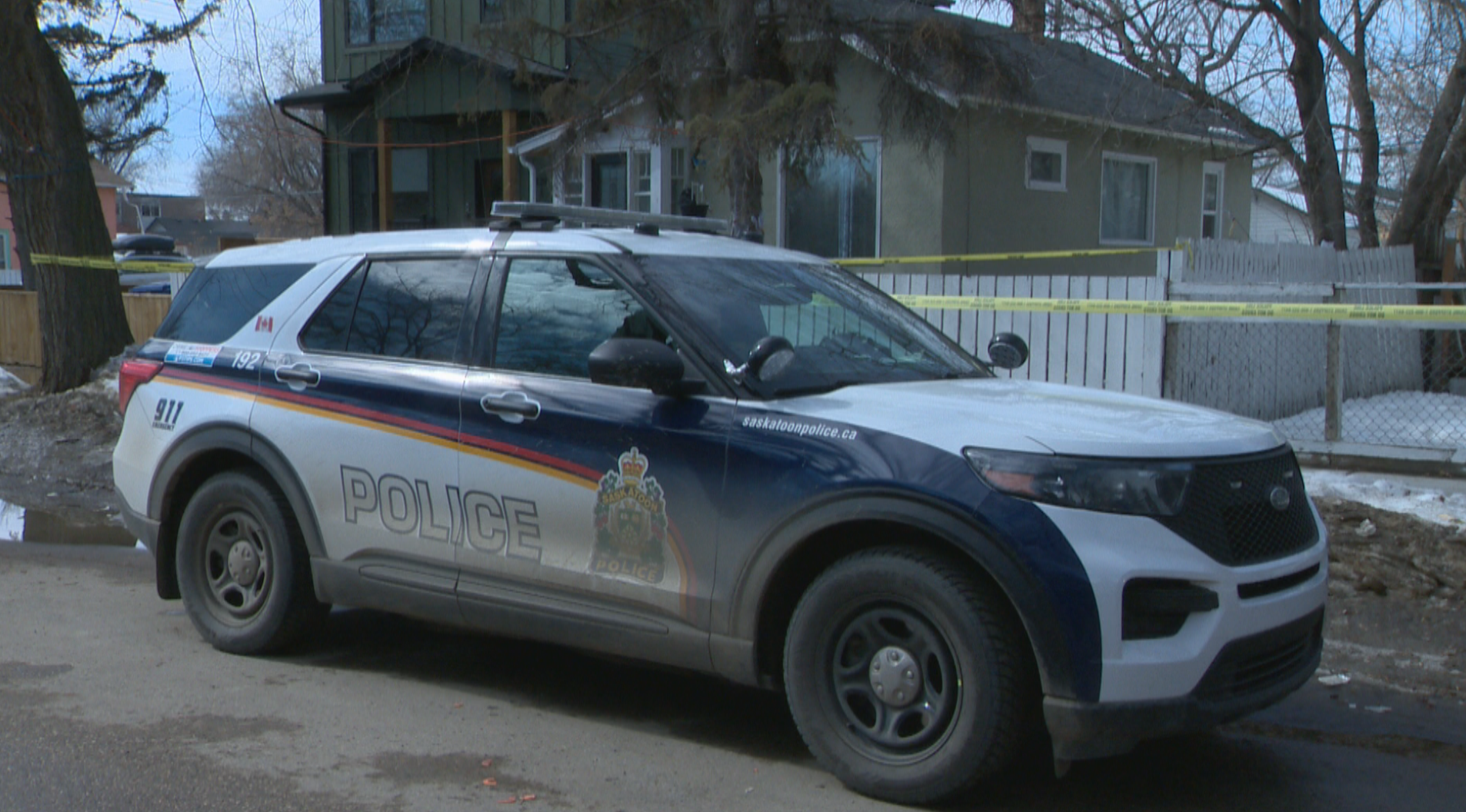
The first call came on Good Friday afternoon. Saskatoon fire crews were dispatched to the 400 block of Avenue I South, a stretch of the city where the homes are older and the margins for error are thinner. When the smoke cleared and firefighters breached the interior, they discovered a body. The victim’s identity remains withheld, and the fire’s origin is currently a puzzle for investigators, but the scene itself was a haunting contradiction. From the street, the house showed no obvious signs of the inferno that had just played out inside. No scorched siding, no shattered windows—just yellow tape and a silence that felt heavy against the afternoon sun. Recently making news in this space: The Sheinbaum Sovereignty Paradox Structural Risks in U.S. Indictments of Mexican State Governors.
In my years covering these beats, it is often the quiet fires that are the most lethal. They are the ones that smolder in the walls or start on a piece of upholstered furniture while an occupant is sleeping or incapacitated. By the time the fire department arrives, the oxygen has been consumed, and the smoke has done its work long before the flames ever reach the exterior.
Less than twelve hours later, the sirens returned to a different part of the city. Additional information into this topic are detailed by TIME.
At approximately 3:00 a.m. on Saturday, a vehicle carrying four young adults was navigating the westbound off-ramp from Idylwyld Drive North to Highway 16. The transition is a sharp one, requiring a significant reduction in speed that many drivers underestimate under the best conditions. This vehicle didn't just slide; it rolled with enough force to eject three of its occupants.
The physics of a rollover are brutal. When a car flips, the centrifugal force often flings unbelted passengers through windows or sun-roofs, turning the vehicle into a spinning centrifuge of glass and steel. Emergency crews arrived to find the car on its roof and a 24-year-old man dead on the pavement.
Three others—two men and one woman, all in their early 20s—were rushed to the hospital. Their injuries were described as serious, a clinical term that usually translates to life-altering surgeries, broken spines, or traumatic brain injuries. The Saskatoon Police Service Collision Analyst Unit spent the better part of Saturday morning picking through the debris, measuring skid marks, and trying to determine if speed, impairment, or a simple moment of distraction led to the catastrophe.
The Geography of Risk
To understand why these incidents happen, you have to look at the landscape of the city. Riversdale, where the house fire occurred, is undergoing a slow and uneven transformation. On Avenue I, you have a mix of century-old homes, some meticulously restored and others struggling under the weight of decades of deferred maintenance. Older electrical systems and a lack of modern fire suppression are common denominators in these residential fatalities. When a fire starts in a structure built in the early 20th century, the "flashover" time—the point where everything in a room ignites—is significantly faster than in modern homes due to the types of wood and construction methods used.
Then there is the Highway 16 ramp. For years, the intersection of Idylwyld and the Yellowhead has been a point of friction. It is a high-speed artery that suddenly demands precision. At 3:00 a.m., visibility is at its lowest, and the psychological "weekend effect" often leads to a lapse in judgment. Whether it was a driver unfamiliar with the curve or a split-second overcorrection, the result was a 24-year-old whose life ended in a ditch while the rest of the city slept.
The Investigative Vacuum
The Saskatoon Police and Fire departments are currently in the data-gathering phase. In the case of the Avenue I fire, the lack of external damage suggests the investigation will focus heavily on the interior utilities—specifically the kitchen and heating systems. If the fire was contained enough to leave the exterior intact but hot enough to kill, investigators will be looking at the possibility of a "fuel-controlled" fire that ran out of air before it could vent through the roof.
On the highway, the Collision Analyst Unit will be looking at the vehicle’s "black box" or Sensing and Diagnostic Module (SDM). Modern cars record speed, braking, and steering inputs in the seconds leading up to a crash. This data will tell the story the survivors might be too traumatized to recount. It will answer the question of whether the driver attempted to brake or if the car left the road at full speed.
The Pattern of the Long Weekend
There is a grim predictability to these reports. Long weekends are historically the most dangerous times on Canadian roads and in residential areas. The combination of increased travel, social gatherings, and a general relaxation of routine creates a perfect environment for accidents. We see it every Easter, every May Long, and every July 1st.
Saskatoon is a city that grows faster than its infrastructure sometimes allows. The pressure on our emergency services during these windows is immense. While the public sees a headline about two fatalities, the real story is in the dozens of "near misses" that happened over the same 48 hours—the kitchen fires caught in time, the swerves that didn't end in a rollover, and the impaired drivers who made it home by sheer luck.
The investigation into the Avenue I fire and the Highway 16 rollover will eventually produce a file number and a cause of death. But for the families involved, the "why" is irrelevant. They are now part of a statistic that haunts every holiday weekend in this province. The hard truth is that as a city, we are often only as safe as our oldest wiring and our fastest drivers.
Check your smoke detectors today. Not because it’s a policy, but because Avenue I is just a few blocks away from someone you know.



