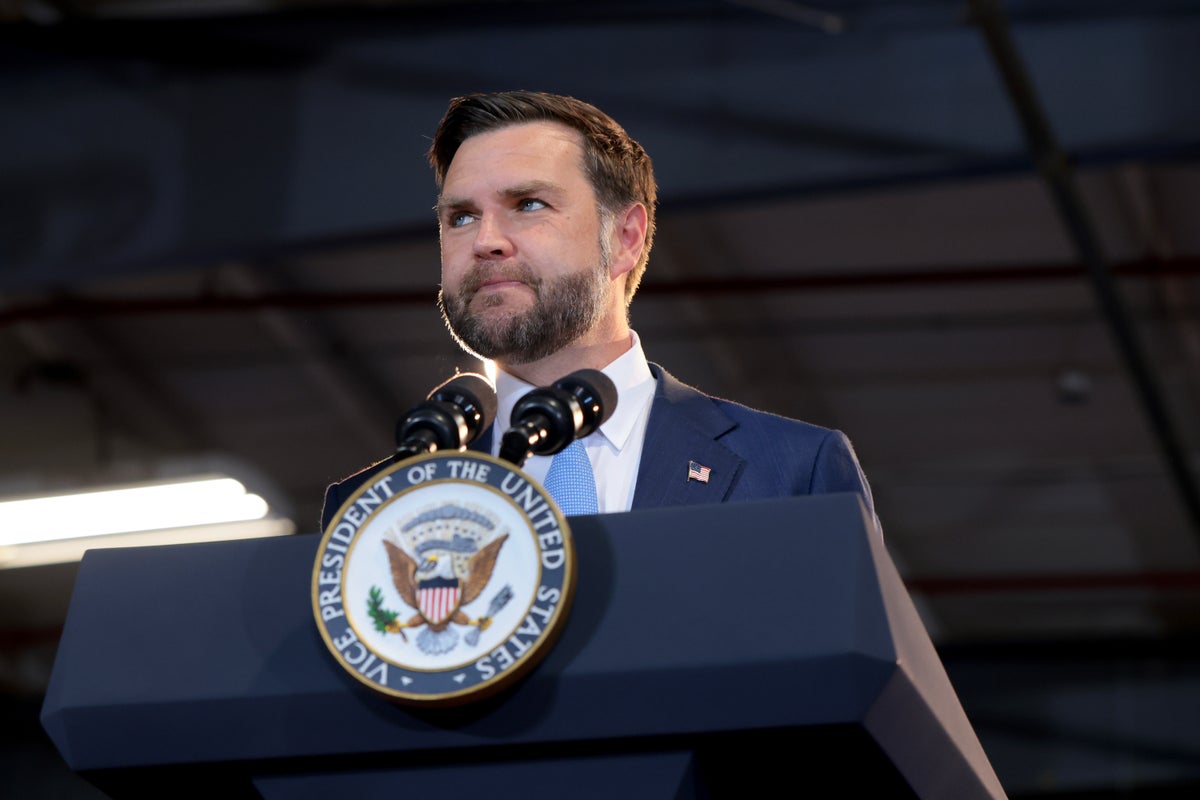
Vice President JD Vance stood before a cheering manufacturing crowd in Brewer, Maine, delivering what was packaged as a momentary lapse in speech. "We have to remember, Canada is a state—sorry, Freudian slip," Vance remarked, triggering an immediate wave of laughter. He quickly brushed it off as an accident, but political theater rarely happens in a vacuum. This calculated slip arrives right as bilateral trade talks between Washington and Ottawa completely fracture, exposing deep-seated economic friction that goes far beyond a casual linguistic stumble.
To treat this incident as a mere verbal blunder is to miss the underlying mechanics of modern trade warfare. The White House has made no secret of its aggressive posture toward its northern neighbor, frequently floating the concept of annexation or referring to Canadian leadership in subordinate terms. Behind the podium banter lies a cold, transactional strategy designed to dismantle existing supply chains and force Ottawa into total alignment.
The Collapse of Bilateral Trade Mechanics
The friction points are neither accidental nor trivial. Days prior to the Maine appearance, negotiations between the United States and Canada cratered following a breakdown over last-minute demands. The Trump administration implemented heavy tariffs on roughly twenty billion dollars worth of Canadian goods, targeting everything from agricultural products to building materials. Ottawa responded swiftly, announcing retaliatory measures slated for early September.
Trade negotiations between integrated economies rely on predictable compromises. When those mechanisms fail, structural dependencies are laid bare. Canada depends heavily on the American consumer market for its export-driven economy, sending the vast majority of its manufactured goods, oil, and electricity across the southern border. Washington knows this leverage exists, and administration officials are currently using it as a blunt instrument to target foundational Canadian policies, including dairy supply management and regulatory frameworks.
+------------------------------------------------------------+
|             US-Canada Tariff Escalation Timeline           |
+------------------------------------------------------------+
| Phase 1: Trade talks collapse over structural demands      |
| Phase 2: U.S. imposes broad tariffs on C$20B of imports    |
| Phase 3: Ottawa announces retaliatory sectoral tariffs     |
| Phase 4: White House threatens 50% auto and steel levies   |
+------------------------------------------------------------+
Prime Minister Mark Carney pulled Canadian negotiators away from the table, asserting that any future discussions must fundamentally respect national sovereignty rather than treating the country as an economic subsidiary. Yet, the structural asymmetry of the relationship makes resistance costly. Ontario Premier Doug Ford countered with threats to restrict critical mineral and electricity exports to the United States, proving that both sides are willing to inflict self-harm to secure leverage. Escalating these disputes threatens to drive up consumer prices across North America just as domestic political pressures mount ahead of upcoming midterm elections.
Defense Spending and the Security Umbrella
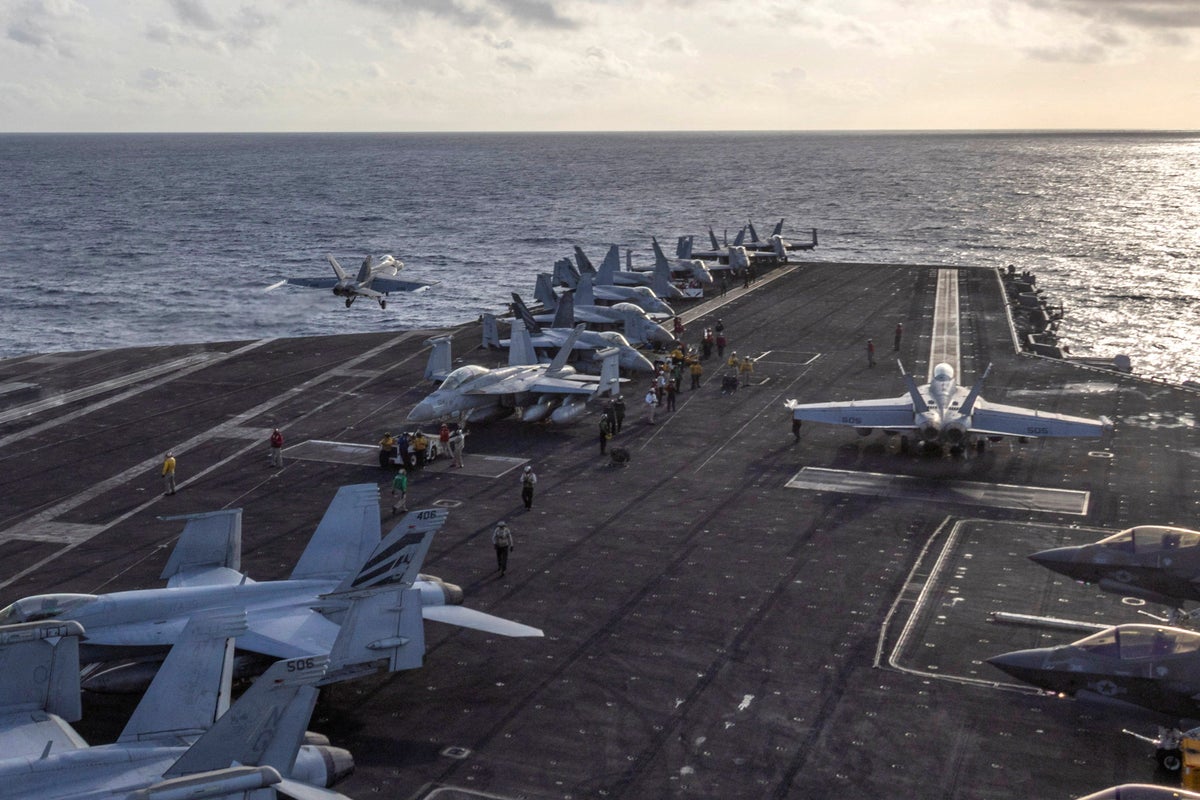
Vance did not stop at trade during his Maine address. He explicitly targeted Canada's defense posture, arguing that the nation has severely underinvested in its military capabilities. He noted that the country relies entirely on the security umbrella provided by the United States to deter foreign threats.
This critique strikes at a long-standing vulnerability within Canadian policy circles. For decades, successive governments in Ottawa have missed NATO spending benchmarks, choosing instead to prioritize domestic social programs and single-payer healthcare systems. Washington has historically tolerated this gap under the banner of traditional alliance maintenance.
Under the current administration, however, security guarantees are no longer treated as unconditional. The message from the White House is blunt. Strategic protection requires economic compliance. By linking defense dependence directly to trade concessions, the executive branch is rewriting the terms of North American partnership. Ottawa can no longer expect continental security cooperation to remain isolated from commercial disputes.
The Transshipment Flashpoint
Another core driver behind the current escalation involves geopolitical competition with China. Washington officials increasingly view Canada as an economic backdoor, alleging that foreign goods bypass U.S. tariffs by flowing through Canadian ports and distribution networks.
This accusation taps into deep anxieties within American manufacturing sectors. If a foreign competitor can route finished goods through a friendly neighbor to avoid border penalties, the integrity of domestic trade barriers collapses. Vance emphasized this point directly, contrasting what he characterized as unfair treatment of American regional exports with more lenient handling of transshipped merchandise.
Resolving this dispute requires more than political rhetoric. It demands synchronized regulatory enforcement and joint border security protocols that neither side has managed to negotiate successfully. Until both capitals agree on a unified perimeter approach to external economic competitors, friction will persist.
The political fallout from the Brewer speech and the subsequent tariff announcements signals a permanent shift in how Washington approaches its closest allies. The era of quiet, routine diplomacy is over, replaced by an open-air contest of economic endurance where words like "state" carry the weight of intentional pressure.